Delhi bans non-BS-VI vehicles from outside city from Nov 1 amid winter pollution
Synopsis
From 1 November 2026, Delhi will block entry of non-BS-VI vehicles registered outside the city — covering a period when the capital's air turns most toxic. With over 10 lakh NCR vehicles potentially affected and AI-powered number plate cameras set to enforce the rule, this is Delhi's most technology-backed pollution crackdown yet, running through 31 January 2027.
Key Takeaways
Delhi will bar non- BS-VI vehicles registered outside the city from 1 November 2026 to 31 January 2027 .
More than 10 lakh vehicles across Delhi-NCR — including in Noida, Greater Noida, Gurugram, Faridabad and Ghaziabad — reportedly do not meet BS-VI norms .
Gurugram and Faridabad together have nearly two lakh non-compliant vehicles; Noida, Greater Noida and Ghaziabad account for around eight lakh more.
CNG and electric vehicles , ambulances, fire tenders, and essential-service vehicles are exempt from the ban.
AI-powered ANPR cameras will be deployed at Delhi's entry points to identify and flag non-compliant vehicles automatically.
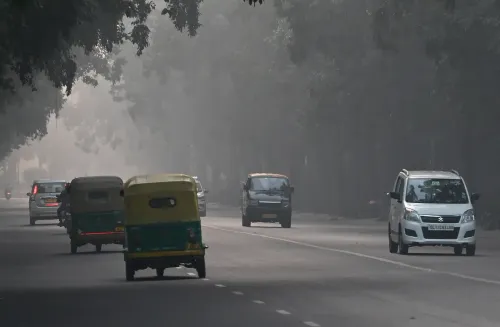
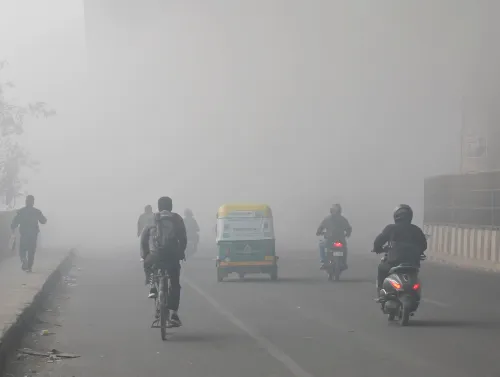
New Delhi will begin barring entry of vehicles registered outside the city that do not comply with BS-VI emission standards from 1 November 2026, as authorities move to curb the sharp rise in air pollution during the winter months. The restriction will remain in force until 31 January 2027, covering a critical three-month window when Delhi's air quality typically deteriorates to hazardous levels.
Scale of the Challenge
The scale of the enforcement task is significant. According to estimates from the transport department, more than 10 lakh vehicles across the Delhi-NCR region — spanning Noida, Greater Noida, Gurugram, Faridabad, and Ghaziabad — do not currently meet BS-VI emission norms. In Gurugram and Faridabad alone, nearly two lakh vehicles fall short of the standard, with approximately 70 per cent of them belonging to the BS-III and BS-IV categories. The two Haryana districts also have around 50,000 commercial vehicles that do not meet prescribed emission standards, according to estimates.
The numbers are even larger in Uttar Pradesh's adjoining urban centres. Noida and Greater Noida together account for more than four lakh non-compliant vehicles, with BS-IV petrol cars forming a major share. Ghaziabad contributes a further four lakh vehicles that fall below the BS-VI threshold, a senior official confirmed, underscoring the breadth of the enforcement challenge.
Who Is Exempt
The blanket restriction will not apply to every vehicle in these estimates. Vehicles powered by Compressed Natural Gas (CNG) and electricity have been exempted, as have ambulances, fire tenders, and vehicles engaged in specified essential services. Crucially, non-Delhi-registered vehicles that do comply with BS-VI norms will continue to be permitted entry. The restriction specifically targets non-compliant vehicles registered outside Delhi; vehicles registered within the national capital are not covered by this particular provision, though other existing pollution-control rules and regulations governing vehicle age will continue to apply.
Technology-Driven Enforcement
Authorities are preparing to deploy technology-based monitoring to enforce the new rules at Delhi's entry points. Artificial Intelligence-powered Automatic Number Plate Recognition (ANPR) cameras will scan vehicle registration plates at border checkpoints and other strategic locations, flagging potentially non-compliant vehicles for verification and enforcement action. The system is expected to be particularly active along heavily used routes connecting Delhi with Noida, Gurugram, and Ghaziabad. Physical checks and enforcement arrangements at entry points are also being strengthened alongside the digital surveillance layer.
Impact on Daily Commuters
The restrictions are expected to affect a significant number of people who regularly travel into Delhi from neighbouring cities for work, business, and other purposes. This comes amid broader Graded Response Action Plan (GRAP) measures that Delhi typically activates each winter as pollution indices climb. Notably, this is not the first time the capital has sought to limit entry of older, more polluting vehicles — but the scale of the ANPR-backed enforcement marks a more systematic attempt to move beyond selective checking at a handful of entry gates. With enforcement kicking in from 1 November 2026, the coming weeks will test both the readiness of the monitoring infrastructure and the willingness of NCR commuters to upgrade or reroute.
Point of View
But this edition is notable for the AI-powered enforcement architecture — ANPR cameras at entry points signal a shift from spot-check policing to systematic identification. The harder question is whether the technology will actually deter daily NCR commuters or simply generate data without follow-through action. With over 10 lakh non-compliant vehicles in the region, enforcement capacity is the real constraint, not legal authority. Exempting CNG and electric vehicles is the right structural nudge, but Delhi's vehicle upgrade economics are still out of reach for a large share of BS-III and BS-IV owners in satellite cities — which means the burden of this policy will fall disproportionately on lower-income commuters who cannot rapidly switch vehicles or modes.
NationPress
29 Oct 2026
Frequently Asked Questions
Which vehicles will be banned from entering Delhi from 1 November 2026?
Vehicles registered outside Delhi that do not comply with BS-VI emission standards will be barred from entering the city from 1 November 2026 to 31 January 2027. Vehicles meeting BS-VI norms, CNG and electric vehicles, ambulances, fire tenders, and essential-service vehicles are exempt from the restriction.
How many vehicles in Delhi-NCR are affected by the non-BS-VI entry ban?
According to transport department estimates, more than 10 lakh vehicles across the Delhi-NCR region — including in Noida, Greater Noida, Gurugram, Faridabad, and Ghaziabad — do not currently meet BS-VI emission standards. Noida and Greater Noida alone account for over four lakh non-compliant vehicles, as does Ghaziabad separately.
How will Delhi enforce the BS-VI vehicle restriction at its borders?
Authorities plan to deploy AI-powered Automatic Number Plate Recognition (ANPR) cameras at Delhi's entry points and border checkpoints to scan registration plates and flag potentially non-compliant vehicles. Physical checks and strengthened enforcement arrangements are also being put in place alongside the digital surveillance system.
Will vehicles registered in Delhi be affected by the new restriction?
No. The restriction specifically targets non-compliant vehicles registered outside Delhi. Vehicles registered within the national capital are not covered by this particular provision, though other existing pollution-control measures and regulations on vehicle age continue to apply to all vehicles in the city.
Why is Delhi imposing these vehicle restrictions in winter?
Delhi's air quality typically deteriorates sharply during winter months due to a combination of vehicular emissions, crop stubble burning in neighbouring states, construction dust, and weather conditions that trap pollutants close to the ground. The three-month restriction from November to January targets the period of peak pollution to reduce the entry of high-emission vehicles into the already stressed urban airshed.