Delhi minister Sirsa meets NCR traffic cops to tackle winter air pollution
Synopsis
Delhi Environment Minister Manjinder Singh Sirsa has pulled together traffic police from five NCR districts to co-ordinate winter pollution enforcement — covering PUC checks, truck diversions via peripheral expressways, and a ban on non-EV/CNG/BS-VI buses entering Delhi-NCR. The meeting signals that Delhi is betting on regional enforcement, not just local action, to fight its annual winter smog crisis.
Key Takeaways
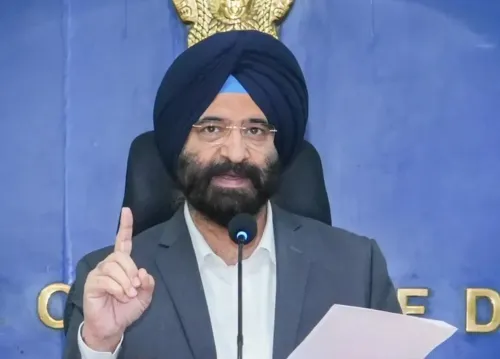
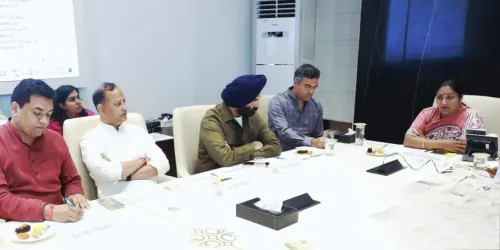
Delhi Environment Minister Manjinder Singh Sirsa chaired a high-level virtual meeting on 25 October 2026 with traffic police from Noida, Faridabad, Gurugram, Sonipat , and Bahadurgarh .
Enforcement will be tightened under the Graded Response Action Plan (GRAP) and CAQM directives ahead of the winter pollution season.
Visibly polluting vehicles will be impounded and fined; Supreme Court truck-diversion orders via Eastern and Western Peripheral Expressways to be strictly enforced.
Inter-city buses entering Delhi-NCR must comply with EV, CNG , or BS-VI diesel standards; non-compliant buses barred from operating.
NGT and Supreme Court restrictions on overage diesel and petrol vehicles will be implemented strictly across the region.
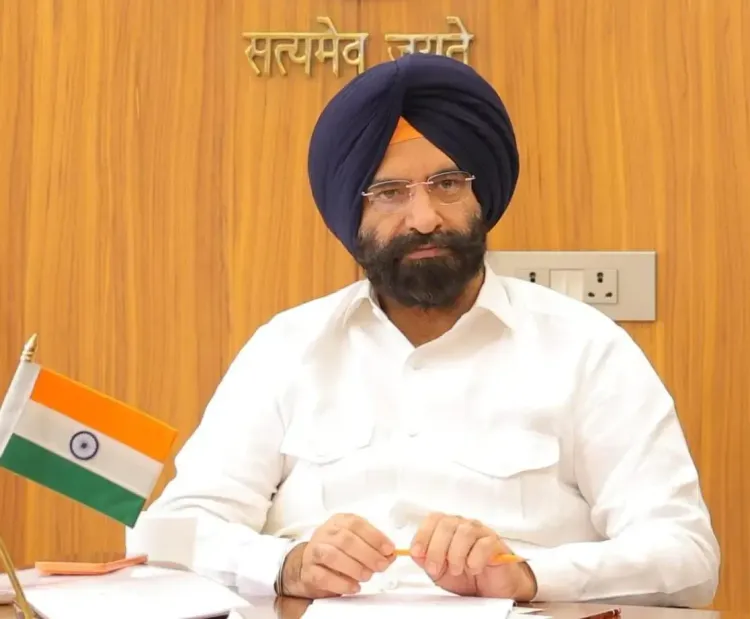
Delhi Environment Minister Manjinder Singh Sirsa on Sunday, 25 October 2026, chaired a high-level virtual meeting with senior traffic police and law enforcement officials from neighbouring NCR districts to assess preparedness for controlling air pollution ahead of the winter season. The meeting, convened to synchronise enforcement across the Delhi-NCR region, signals the government's intent to treat pollution as a shared regional challenge rather than a city-specific one.
Who Was at the Table
Senior traffic police officials from Noida, Faridabad, Gurugram, Sonipat, and Bahadurgarh participated in the session. Delhi Police Special Commissioner (Traffic) Ajay Chaudhry and Niharika Rai, Transport Commissioner of the Government of NCT of Delhi, were also present, lending both enforcement and administrative weight to the deliberations.
Key Measures on the Agenda
The meeting focused on implementing directives under the Graded Response Action Plan (GRAP) and orders issued by the Commission for Air Quality Management (CAQM). Among the priority measures discussed were improved traffic decongestion, deployment of personnel at high-traffic corridors near NCR border areas, and strict enforcement of Pollution Under Control (PUC) norms.
Sirsa stated that visibly polluting vehicles will be stopped and impounded, with maximum permissible penalties imposed. Directions of the Supreme Court mandating the diversion of truck traffic — not destined for Delhi — through the Eastern and Western Peripheral Expressways will also be strictly enforced to reduce heavy-vehicle movement through the city.
Emission Standards for Inter-City Buses
The meeting laid down clear fuel compliance rules for inter-city bus services. Buses entering Delhi-NCR from outside cities will be required to run on electric (EV), Compressed Natural Gas (CNG), or BS-VI-compliant diesel. Non-compliant buses will not be permitted to operate in the region, in line with applicable directions.
Additionally, orders of the National Green Tribunal (NGT) and the Supreme Court restricting the plying of overage diesel and petrol vehicles will be strictly implemented, according to the official statement.
The Broader Strategy
Minister Sirsa emphasised that the objective of the Delhi government, under Chief Minister Rekha Gupta's leadership, is to ensure pollution-control measures extend beyond Delhi's administrative boundaries into coordinated action across adjoining NCR districts. He noted that the Delhi government is working in close coordination with the Union government and Central agencies to strengthen clean mobility, reduce road dust, and enable unified enforcement.
This comes amid growing pressure on Delhi-NCR administrations, as air quality in the region typically deteriorates sharply between October and January, driven by a combination of vehicular emissions, stubble burning, and unfavourable meteorological conditions. With winter approaching, the effectiveness of inter-state enforcement coordination will be closely watched by regulators and residents alike.
Point of View
But Delhi's winter pollution crisis has survived many such coordination exercises before. The structural drivers — stubble burning in Punjab and Haryana, unchecked construction dust, and an undersized public transport network — lie outside the purview of a traffic enforcement call. What changes this year, if anything, is the involvement of a BJP-led Delhi government that shares political alignment with the Centre and several NCR state administrations, potentially removing the inter-party friction that historically blunted enforcement. Whether that alignment translates into on-ground action — rather than press statements before AQI readings go red — is the only metric that matters.
NationPress
25 Oct 2026
Frequently Asked Questions
Why did Delhi Environment Minister Sirsa hold a meeting with NCR traffic police?
Minister Sirsa convened the high-level virtual meeting on 25 October 2026 to align traffic enforcement and pollution-control preparedness across Delhi and neighbouring NCR districts ahead of the winter season. The meeting reviewed implementation of GRAP directives and CAQM orders to reduce vehicular emissions through coordinated action.
What is GRAP and how does it apply to Delhi-NCR pollution?
The Graded Response Action Plan (GRAP) is a set of emergency measures activated in stages as air quality deteriorates across the Delhi-NCR region. It prescribes specific restrictions on vehicles, construction, and industries at each pollution level, and is enforced by multiple agencies across Delhi and adjoining states.
Which vehicles will be banned from Delhi-NCR under the new measures?
Buses entering Delhi-NCR from outside cities that do not run on electric power (EV), Compressed Natural Gas (CNG), or BS-VI-compliant diesel will not be permitted to operate in the region. Additionally, overage diesel and petrol vehicles face restrictions under existing NGT and Supreme Court orders, which will be strictly implemented.
How will truck traffic be managed to reduce pollution in Delhi?
Trucks not destined for Delhi will be diverted through the Eastern and Western Peripheral Expressways, in compliance with Supreme Court directions, to reduce unnecessary heavy-vehicle movement through the city and cut associated emissions.
Who are the key officials involved in Delhi's winter pollution enforcement?
The key participants include Delhi Environment Minister Manjinder Singh Sirsa, Delhi Police Special Commissioner (Traffic) Ajay Chaudhry, and Transport Commissioner Niharika Rai, alongside senior traffic police officials from Noida, Faridabad, Gurugram, Sonipat, and Bahadurgarh.