Sonowal hails ₹1,856.67 cr sports manufacturing scheme
Synopsis
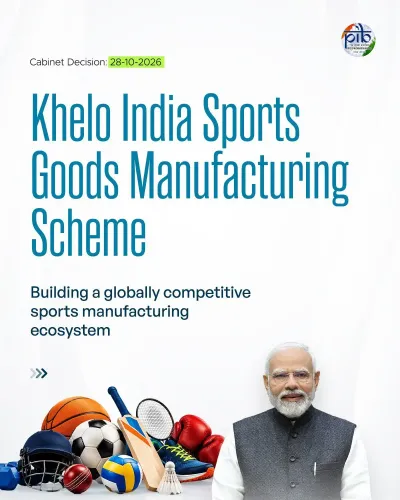
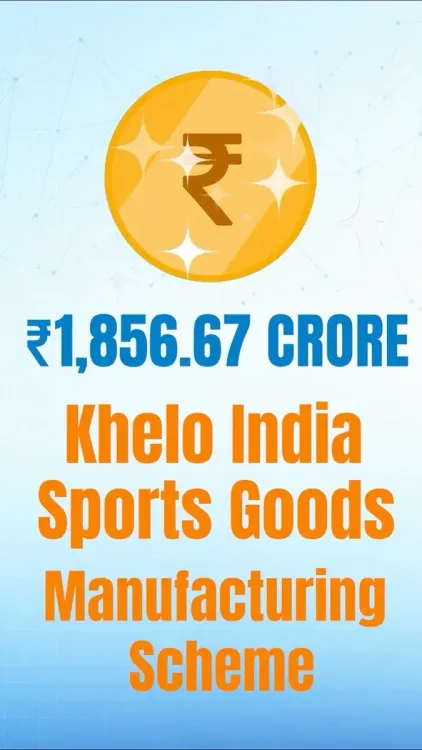
The Cabinet has approved ₹1,856.67 crore under the Khelo India Sports Goods Manufacturing Scheme to maintain, technically upgrade and strengthen existing sports goods clusters, advancing India's goal of becoming a global hub for sports equipment production.
Key Takeaways
The Cabinet approved an outlay of ₹1,856.67 crore under the Khelo India Sports Goods Manufacturing Scheme .
Funds are targeted at maintenance, technical resolution and upgradation of existing manufacturing clusters, not new greenfield facilities.
The scheme aims to position India as a global hub for sports goods manufacturing , aligning with Atmanirbhar Bharat goals.
Key beneficiary clusters include Meerut (UP) and Jalandhar (Punjab), which have received central manufacturing support since the early 2010s.
The Khelo India programme was originally launched in 2017 to build a robust sports ecosystem encompassing infrastructure, grassroots participation and manufacturing.
India's sports goods manufacturing clusters are in line for a significant shot in the arm — and the Cabinet has just put a precise number to that ambition. Union Ports and Shipping Minister Sarbananda Sonowal on Thursday, 29 October 2026 welcomed the Cabinet's approval of an outlay of ₹1,856.67 crore under the Khelo India Sports Goods Manufacturing Scheme, calling it a 'major boost to India's sports manufacturing ecosystem.'
What the ₹1,856.67 crore outlay covers
The approved funds are earmarked specifically for the maintenance, technical resolution and upgradation of existing clusters — not greenfield projects, but the sharpening of what India already has. The scheme targets measurable improvements in production capability and export readiness at clusters that have already been seeded under earlier policy pushes. Sonowal framed the decision with the hashtag #KhelBhiNirmanBhi — 'Play as well as Build' — signalling that the government sees sports infrastructure and sports manufacturing as two sides of the same strategic coin.
Meerut, Jalandhar and the cluster story so far
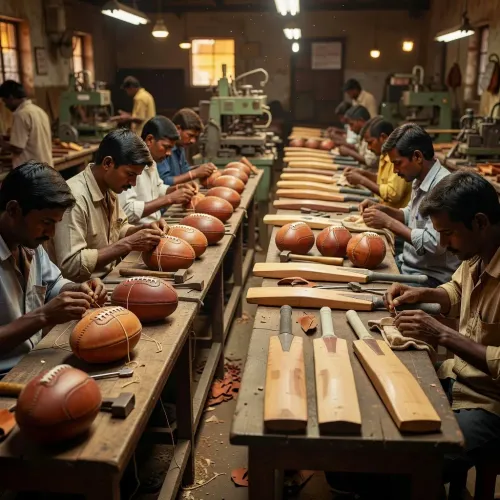
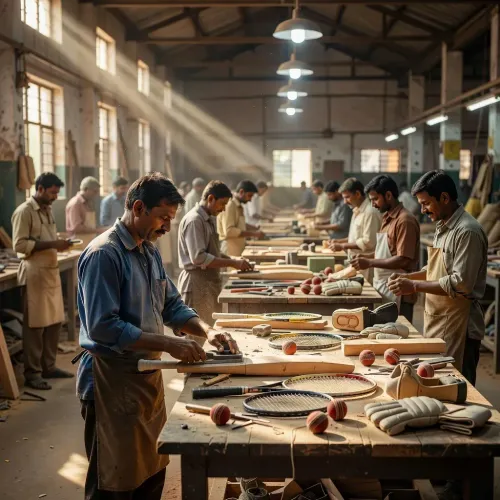
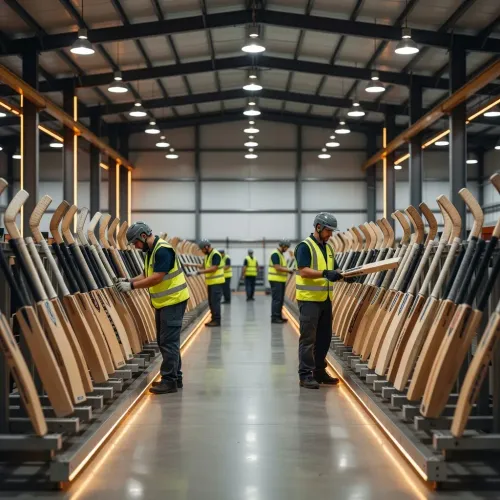
India's sports goods industry is heavily concentrated in two heartland hubs: Meerut in Uttar Pradesh, which dominates cricket and fitness equipment, and Jalandhar in Punjab, which produces everything from footballs to inflatable sporting goods. Both cities have received incremental central support since the early 2010s under Make in India and cluster development frameworks. The Khelo India programme, launched in 2017 by the Ministry of Youth Affairs and Sports, added a dedicated sports-sector lens to that manufacturing push — recognising that a credible global sports brand cannot be built on imported equipment alone.
Atmanirbhar Bharat's sporting ambition
The announcement lands squarely inside India's broader Atmanirbhar Bharat manufacturing agenda — the multi-sector drive to reduce import dependence and build export competitiveness in labour-intensive industries. Sports goods manufacturing fits the template well: it is skill-intensive, decentralised, and has a large established workforce in both Meerut and Jalandhar. An upgraded cluster network could meaningfully expand India's share of the global sports equipment market, where it currently competes against entrenched producers in China, Pakistan and Taiwan.
The key test now is utilisation — whether the approved outlay translates into measurable gains in production capacity and export volumes from the supported clusters. India's sporting ambitions on the field and off it are increasingly running on the same track.
Point of View
856.67 crore for sports goods cluster upgradation signals that the Khelo India programme is maturing from a grassroots-participation initiative into a full-spectrum industrial policy. By focusing on existing clusters rather than new greenfield projects, the government is betting on consolidation and quality-improvement — a more defensible strategy for export competitiveness than dispersed fresh investment. The political optics are also notable: a Ports Minister amplifying what is nominally a Youth Affairs and Sports scheme underlines the whole-of-government framing of Atmanirbhar Bharat. The real measure of success, however, will be export-revenue data from Meerut and Jalandhar over the next two to three years.
NationPress
29 Oct 2026
Frequently Asked Questions
What is the Khelo India Sports Goods Manufacturing Scheme?
It is a component of the flagship Khelo India programme, focused on developing and upgrading sports goods manufacturing clusters in India to boost domestic production and exports.
How much has the Cabinet approved for sports goods manufacturing in 2026?
The Cabinet approved an outlay of ₹1,856.67 crore specifically for the maintenance, technical resolution and upgradation of existing sports goods manufacturing clusters.
Which cities are the main sports goods manufacturing hubs in India?
Meerut in Uttar Pradesh and Jalandhar in Punjab are India's two primary sports goods manufacturing clusters, producing equipment ranging from cricket gear to footballs and fitness products.
When was the Khelo India programme launched?
The Khelo India programme was launched in 2017 by the Ministry of Youth Affairs and Sports to promote grassroots sports participation, infrastructure development and manufacturing support.
How does the sports goods manufacturing scheme relate to Atmanirbhar Bharat?
The scheme aligns with Atmanirbhar Bharat's goal of reducing import dependence and building export competitiveness in labour-intensive sectors, with sports goods manufacturing in Meerut and Jalandhar seen as a key pillar of that strategy.