Mann Ki Baat 134th edition: Delhi BJP tunes in at 7,568 booths citywide
Synopsis
Delhi BJP turned the 134th edition of 'Mann Ki Baat' into a city-wide mobilisation exercise — 7,568 booths, multiple senior leaders at separate venues, and a party chief drawing comparisons to the Sunday 'Ramayan' ritual. The scale signals how deeply the BJP has institutionalised the monthly broadcast as an organisational event, not just a radio programme.
Key Takeaways
Delhi BJP President Harsh Malhotra led 'Mann Ki Baat' listening sessions at nearly 7,568 booths across New Delhi on 31 May .
Chief Minister Rekha Gupta attended at the NCUI Auditorium , Khel Gaon Marg, alongside resident welfare associations.
Senior leaders including MPs Bansuri Swaraj , Manoj Tiwari , and Ramvir Singh Bidhuri participated at separate venues across the city.
PM Modi's 134th edition covered traditional summer health practices such as Aam Panna and Sattu . 'Mann Ki Baat' has aired every last Sunday of the month since its launch in October 2014 .
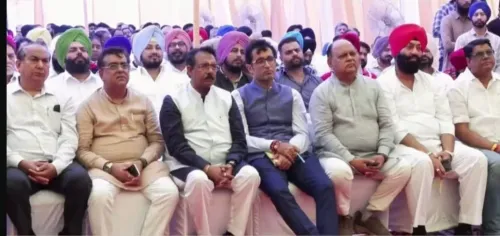
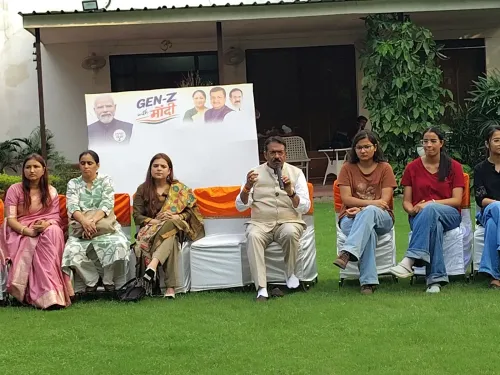
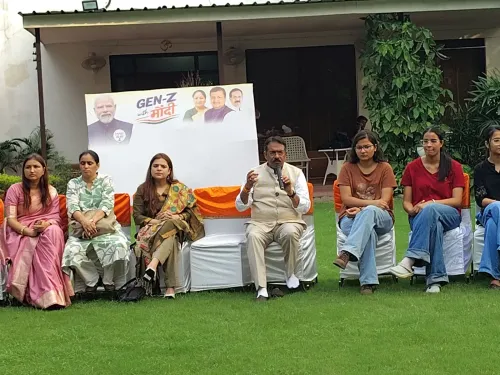
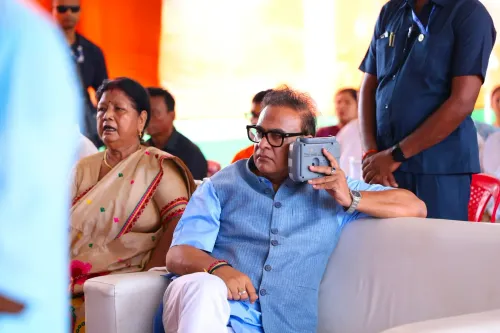
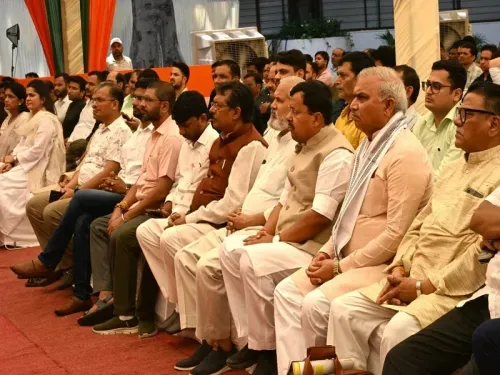
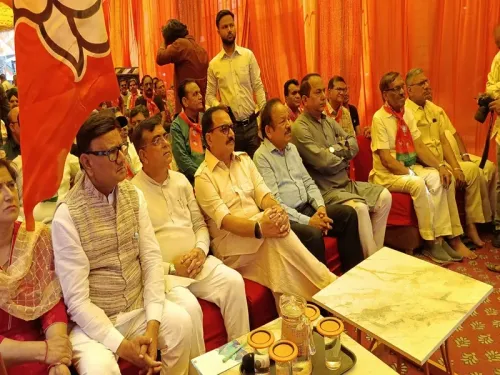
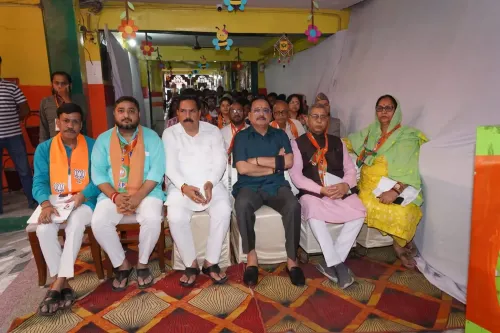
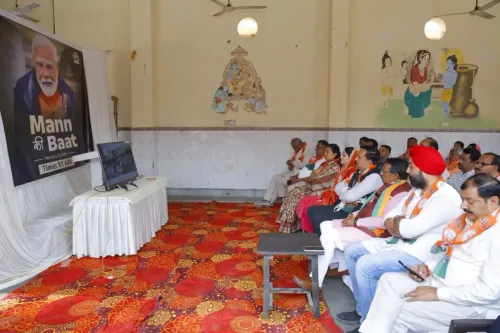
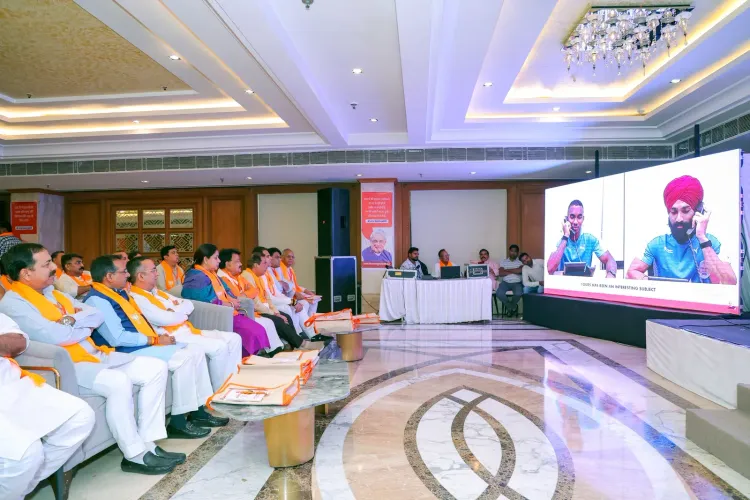
Delhi Bharatiya Janata Party (BJP) President Harsh Malhotra on Sunday, 31 May led party workers and residents in listening to the 134th edition of Prime Minister Narendra Modi's monthly radio programme 'Mann Ki Baat' at nearly 7,568 booths spread across the national capital. The coordinated city-wide listening drive underscored the party's push to deepen grassroots engagement through the programme.
Key Venues and Senior Leaders Present
Malhotra listened to the broadcast alongside senior BJP workers at a training camp in the Keshavpuram district, according to Rajan Tiwari, Convener of the 'Mann Ki Baat' Programme Organising Team in Delhi. Delhi Chief Minister Rekha Gupta attended the session at the NCUI Auditorium on Khel Gaon Marg, joined by local resident welfare associations and BJP office-bearers.
New Delhi BJP MP Bansuri Swaraj was present at a simultaneous inauguration of development works and a review meeting organised by senior MLA Satish Upadhyay in the Malviya Nagar Assembly constituency. Outgoing Delhi BJP President Virendra Sachdeva tuned in at a training camp session in Chandni Chowk district alongside MP Praveen Khandelwal and senior district workers.
BJP MP Manoj Tiwari listened to the programme with local residents in Sonia Vihar, while South Delhi MP Ramvir Singh Bidhuri and Delhi BJP General Secretary Vishnu Mittal attended the broadcast at the BJP National Headquarters.
What Delhi BJP President Said
Speaking to the media after the programme, Malhotra described Prime Minister Modi as a national leader who communicates directly with citizens. 'Through this programme, PM Modi has initiated an effort not only to highlight significant national developments but also to identify and showcase talent emerging from every corner of India,' Malhotra said.
He noted that the summer season prompted Modi to discuss traditional heat-protection practices, including drinking Aam Panna and consuming Sattu — a nod to indigenous wellness knowledge that resonated with listeners across age groups.
Cultural Significance of the Programme
Malhotra drew a cultural parallel, comparing the anticipation surrounding 'Mann Ki Baat' to the enthusiasm households once had for the Sunday telecast of the television serial 'Ramayan'. He said the programme has become a fixture that families across the country look forward to on the last Sunday of every month — a claim that reflects the BJP's framing of the broadcast as a national institution rather than a political exercise.
This comes amid the BJP's sustained effort to use booth-level mobilisation as a tool for both outreach and organisational strengthening. The 7,568-booth listening drive in Delhi is part of a nationwide pattern where the party treats each 'Mann Ki Baat' edition as a structured party event, not merely a passive broadcast.
Broader Context
The 134th edition marks over a decade since 'Mann Ki Baat' was first broadcast in October 2014. The programme airs on the last Sunday of each month on All India Radio and is simultaneously streamed across digital platforms. Its reach, according to government data, extends to hundreds of millions of listeners nationwide, making it one of the most widely distributed political communication formats in Indian history.
Point of View
568-booth listening drive is less about the radio programme and more about booth-level organisational discipline — the BJP is using each monthly broadcast as a rehearsal for election-mode mobilisation. The comparison Malhotra drew to the Sunday 'Ramayan' telecast is telling: it frames a government communication exercise as a cultural tradition, blurring the line between state outreach and party activity. As Delhi BJP transitions leadership from Sachdeva to Malhotra, the visible participation of both signals a managed handover rather than a clean break. What the coverage rarely asks is whether the booth-level attendance figures are independently verified or party-reported — a distinction that matters when the same machinery is activated for electoral purposes.
NationPress
26 Sept 2026
Frequently Asked Questions
What is 'Mann Ki Baat' and when does it air?
'Mann Ki Baat' is Prime Minister Narendra Modi's monthly radio address, broadcast on the last Sunday of every month on All India Radio and streamed on digital platforms. It was first aired in October 2014 and the 31 May edition was its 134th episode.
How many booths did Delhi BJP use for the 134th Mann Ki Baat listening drive?
Delhi BJP organised listening sessions at nearly 7,568 booths across the national capital for the 134th edition on 31 May. The drive was led by party president Harsh Malhotra and coordinated by the Mann Ki Baat Programme Organising Team.
Which senior Delhi leaders participated in the 31 May Mann Ki Baat event?
Chief Minister Rekha Gupta, outgoing BJP president Virendra Sachdeva, MPs Bansuri Swaraj, Manoj Tiwari, Praveen Khandelwal, and Ramvir Singh Bidhuri, and General Secretary Vishnu Mittal all participated at separate venues across the city.
What topics did PM Modi cover in the 134th Mann Ki Baat?
According to Delhi BJP President Harsh Malhotra, PM Modi discussed traditional summer health practices during the 134th edition, including the benefits of drinking Aam Panna and consuming Sattu as heat-protection measures.
Why does the BJP organise booth-level listening sessions for Mann Ki Baat?
The BJP uses 'Mann Ki Baat' broadcasts as a structured grassroots outreach exercise, treating each edition as an organisational event at the booth level — the party's smallest electoral unit. Leaders say the programme helps connect citizens directly with the Prime Minister's communication on national developments.