Could the Delhi Blast Perpetrator Have Triggered an Explosion in Panic?
Synopsis
New insights from the Delhi blast investigation suggest that panic over recent terror operations may have driven the perpetrator to act in haste. This connection between a major arms bust and the tragic explosion raises critical questions about national security and the complexities of modern terrorism.
Key Takeaways
Panic from recent investigations may have led to the blast.
Intelligence and inter-state coordination are crucial for national security.
Professionals, including doctors, are increasingly involved in terror activities.
Media coverage can impact the actions of terror operatives.
The Faridabad operation likely prevented a larger tragedy.
New Delhi, Nov 11 (NationPress) Following the public revelation of an arms seizure involving medical professionals in Kashmir, along with a joint operation in Faridabad that uncovered a substantial cache of explosives, security experts speculate that the perpetrator of the Delhi blast may have panicked, leading him to execute a "lone wolf" attack.
Former member of India's National Security Advisory Board, Kulbir Krishan, supported this theory, describing it as a "plausible explanation" connecting the incidents in Kashmir and Faridabad with the explosion at the Red Fort. He raised questions about the lengthy time the blast perpetrator spent in New Delhi before detonating the explosive.
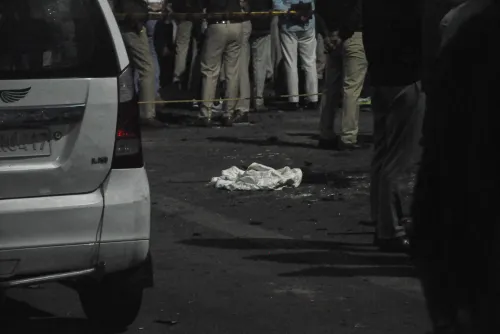
"The vehicle was captured on security cameras entering from the Faridabad border around 8:15 a.m., and it was spotted in the parking area near a mosque for a significant period prior to the explosion," Krishan elaborated.
The investigation points towards Umar Nabi, who, if he was indeed the driver, may have been obliterated in the blast.
There is also a "plausible theory" suggesting that he was receiving instructions from a handler, having potentially panicked after the Faridabad raids that exposed a large stockpile of explosives and details about the terror module.
What began as a minor incident involving terror posters in Srinagar escalated into a major terror bust in Faridabad, where medical professionals were found hoarding 350 kg of explosives and AK-47 rifles.
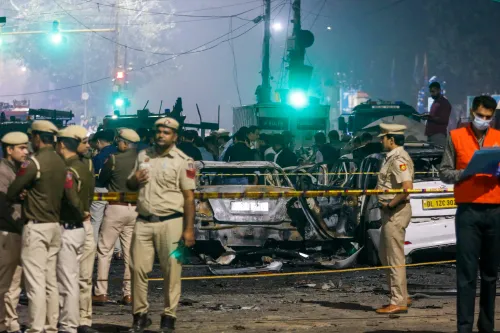
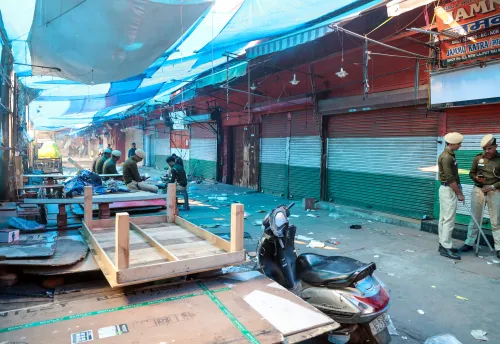
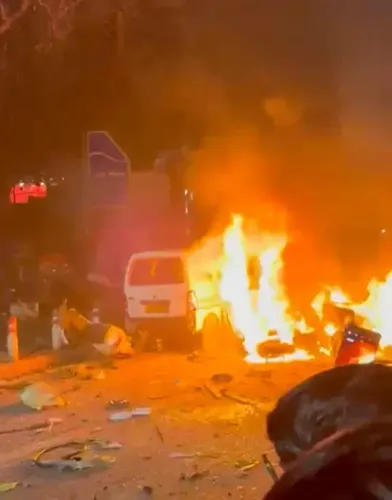
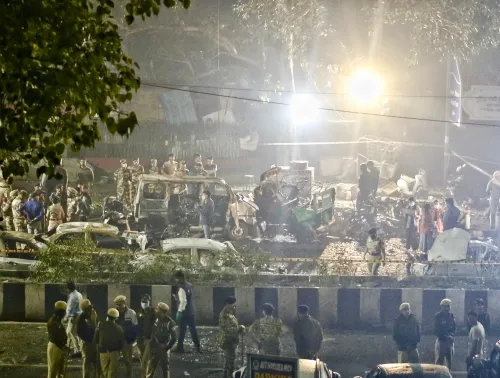
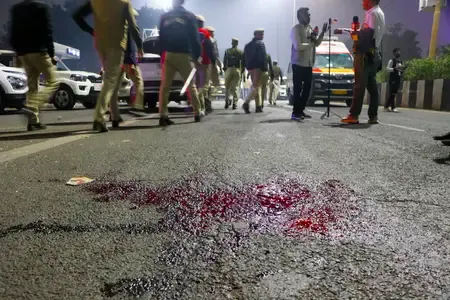
This incident is now being correlated with the Delhi Red Fort explosion, which resulted in at least eight fatalities and numerous injuries, revealing a transnational terror network involving Jaish-e-Mohammed and Ansar Ghazwat-ul-Hind operatives.
On October 27, police in Srinagar apprehended individuals disseminating Jaish-e-Mohammed (JeM) posters in public areas. Among those arrested was Adil Ahmed Rather, a senior resident doctor from Government Medical College in Jammu and Kashmir's Anantnag.
The Jammu and Kashmir Police, with assistance from the Special Operations Group (SOG), detained Rather and another medical professional from Saharanpur and Allahabad, respectively.
A case was filed under the Arms Act and various sections of the Unlawful Activities Prevention Act (UAPA).
Rather's detention in Uttar Pradesh on November 6 led investigators to a broader network of professionals—doctors and clerics—serving as local operatives for terror organizations.
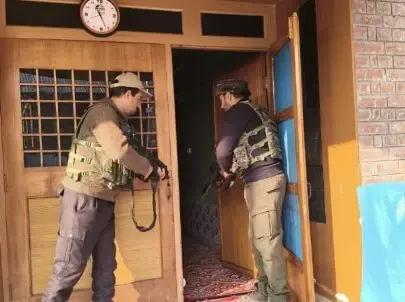
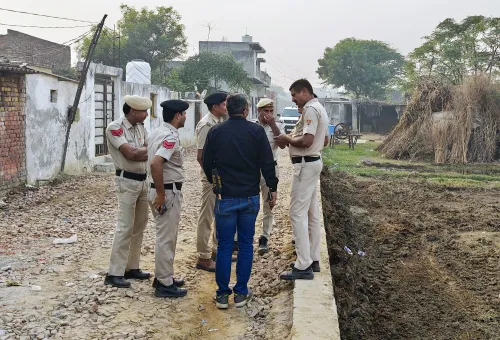
Following leads from the Kashmir arrests, Jammu and Kashmir Police and Haryana Police conducted a raid in a rented house in Dhauj village, recovering large amounts of ammonium nitrate, weaponry, and significant quantities of ammunition.
Authorities suspect that these explosives were being prepared for large-scale attacks, with the timing of the bust and the Red Fort blast indicating a coordinated terror plan targeting Delhi.
With news of the investigations circulating across social and traditional media, Umar Nabi may have realized that the pressure was mounting around him and his associates, highlighting the recruitment of educated professionals by terror groups to avoid detection.
Officials believe the Faridabad operation averted a larger disaster, potentially a series of synchronized explosions in major cities, including the national capital.
This incident underscores the importance of early intelligence and inter-state collaboration in thwarting devastating plots, while the extensive media coverage may have alerted the remaining members of the group.
Point of View
It is imperative to focus on the evolving landscape of terrorism in India. The connection between the recent arms haul and the Delhi blast emphasizes the necessity for rigorous intelligence and preventive measures. The investigation highlights the increasing involvement of educated professionals in terror activities, raising serious questions about the effectiveness of current monitoring systems. We must remain vigilant and proactive in addressing these threats.
NationPress
30 Sept 2026
Frequently Asked Questions
What triggered the Delhi blast?
The Delhi blast may have been triggered by the perpetrator's panic following the exposure of recent terror operations in Kashmir and Faridabad, which unveiled a significant arms cache.
How did the investigation unfold?
The investigation began with the arrest of a doctor involved in disseminating terror-related posters, leading to a broader network of professionals linked to terror groups.
What was found during the raids?
Authorities recovered large amounts of ammonium nitrate, weapons, and ammunition during the raids in Dhauj village, indicating preparations for large-scale attacks.
What role did media coverage play?
Extensive media coverage of the investigations may have alerted the remaining members of the terror group, potentially leading to the hasty actions of the perpetrator.
What are the implications for national security?
This incident underscores the need for enhanced intelligence gathering and inter-agency cooperation to prevent future acts of terrorism.