CM Rekha Gupta equips MCD with modern sanitation fleet for Delhi
Synopsis
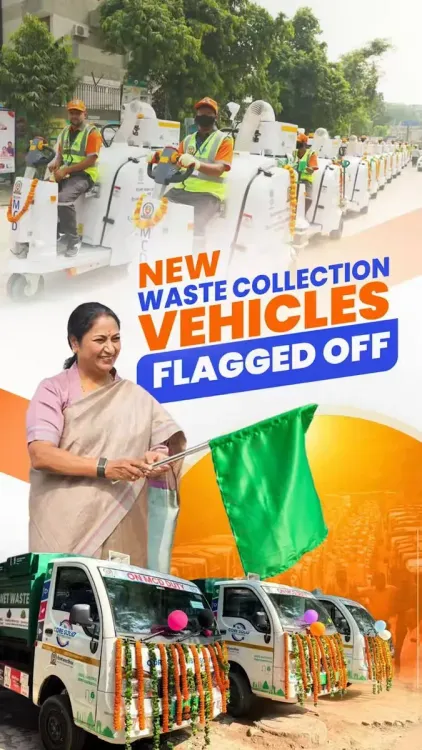
Delhi CM Rekha Gupta has announced a fleet of modern sanitation vehicles — including e-rickshaws, auto-tippers, refuse compactors and hook loaders — for the MCD, aiming to close critical gaps in the capital's waste collection and transport network.
Key Takeaways
Delhi CM Rekha Gupta announced modern sanitation machinery for the Municipal Corporation of Delhi (MCD) on 17 October 2026 .
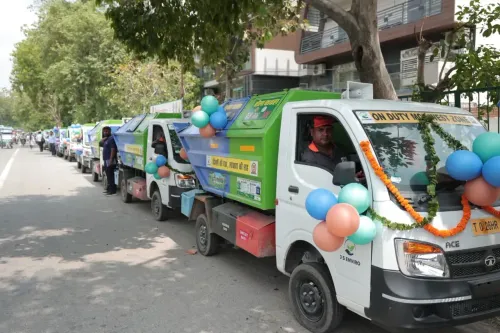
The new fleet includes auto-tippers, e-rickshaws, refuse compactors, and hook loaders covering last-mile to bulk-waste transport.
Delhi generates over 10,000 tonnes of municipal solid waste daily , with ageing collection infrastructure long identified as a key bottleneck.
The initiative aligns with the national Swachh Bharat Mission (launched 2014 ) and the #ViksitDelhi and #SevaSankalpAbhiyan campaigns.
Actual impact will hinge on deployment across all 272 MCD wards and integration with existing waste-processing plants.
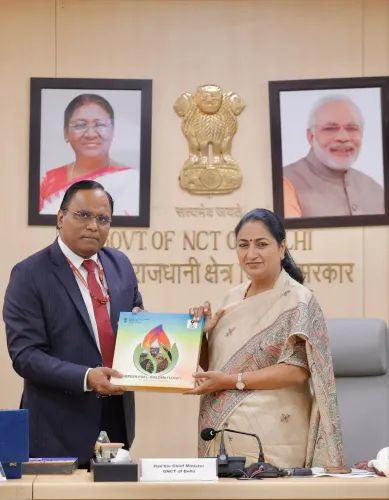
Delhi's streets may soon look — and smell — a little different. Chief Minister Rekha Gupta on Saturday, 17 October 2026 announced a major infusion of modern sanitation vehicles and machinery into the Municipal Corporation of Delhi (MCD), targeting the capital's chronic gaps in waste collection, transportation, and disposal.
What's rolling onto Delhi's streets
The fleet upgrade spans a range of equipment — from auto-tippers and e-rickshaws for last-mile collection in narrow lanes to refuse compactors and hook loaders for bulk waste transport. The mix is deliberate: e-rickshaws can navigate the dense, unplanned bylanes of older neighbourhoods where larger vehicles simply cannot reach, while compactors and hook loaders are workhorses for high-volume zones and landfill-linked routes.
Gupta framed the move as a concrete step toward her administration's stated goal of a 'Swachh, Sundar Delhi' — a clean and beautiful Delhi — under the broader #ViksitDelhi and #SevaSankalpAbhiyan banners.
MCD's long battle with Delhi's waste mountain
The MCD manages one of the largest urban waste loads in Asia. Delhi generates an estimated 10,000-plus tonnes of municipal solid waste every day, much of it historically ending up at overflowing landfill sites like Ghazipur, Bhalswa, and Okhla — each a decades-old crisis point. Ageing and insufficient collection vehicles have long been cited as a bottleneck that allows waste to pile up at source before it ever reaches processing.
Fleet modernisation fits squarely within the national Swachh Bharat Mission, launched in 2014, which incentivised urban local bodies to upgrade equipment, expand door-to-door collection, and reduce open dumping. BJP-administered municipal bodies in several states have pursued similar drives since 2017, positioning vehicle upgrades as a visible, measurable deliverable that residents can see on their streets.
What the rollout actually needs to deliver
Announcements of fleet additions are a familiar chapter in Delhi's sanitation story — the harder chapters are deployment coverage, maintenance, and integration with downstream processing. The real test will be whether the new vehicles translate into a measurable rise in daily collection coverage across all 272 MCD wards, and whether the machinery is matched by functional waste-processing capacity at the city's treatment plants.
MCD sanitation workers — the frontline of any fleet upgrade — will also determine how quickly new equipment moves from inauguration to routine operation.
Point of View
Feel the difference at their doorstep, and connect it directly to the administration in power. For CM Rekha Gupta, equipping MCD with new machinery serves a dual purpose: it advances a genuine civic need while generating visible, photographable proof of governance ahead of any electoral cycle. The Swachh Bharat Mission framework gives the initiative a national policy anchor, lending credibility beyond local optics. The harder governance test, however, lies not in procurement but in sustained operations — Delhi's landfill crisis has survived multiple fleet upgrades before, and only consistent, ward-level data will separate this announcement from its predecessors.
NationPress
17 Oct 2026
Frequently Asked Questions
What new sanitation vehicles is Delhi getting for MCD?
Delhi CM Rekha Gupta announced auto-tippers, e-rickshaws, refuse compactors, and hook loaders for the MCD to improve waste collection and transportation across the capital.
Why does Delhi need new sanitation machinery?
Delhi generates over 10,000 tonnes of municipal solid waste daily, and an ageing, insufficient vehicle fleet has long been a bottleneck preventing timely collection and transport to processing sites.
What is the Swachh Bharat Mission and how does this relate?
The Swachh Bharat Mission, launched in 2014, incentivises urban local bodies to modernise equipment and expand door-to-door waste collection. Delhi's MCD fleet upgrade falls within this national framework.
What is MCD's role in Delhi's waste management?
The Municipal Corporation of Delhi is the primary civic body responsible for collecting, transporting, and managing solid waste across the capital's 272 wards.
Will the new MCD vehicles solve Delhi's landfill problem?
Better collection vehicles can reduce waste accumulation at source, but experts note the deeper fix requires expanded processing capacity at treatment plants — the new fleet is a necessary but not sufficient step.