Delhi CM recommends transfer of 74 govt doctors, 39 from Tihar and Mandoli jails
Synopsis
Delhi CM Rekha Gupta has recommended the transfer of 74 government doctors to LG T.S. Sandhu — including 39 at Tihar and Mandoli jails who have been at the same posting for up to 11 years. The move signals a systematic push to end long-tenure stagnation in the capital's public health infrastructure, with a parallel restructuring already completed at the Central Procurement Agency.
Key Takeaways
Delhi CM Rekha Gupta recommended the transfer of 74 government doctors to LG T.S.
Sandhu on 19 June 2025 .
39 doctors posted at Tihar and Mandoli jails for more than 5 years — some since 2014 — are among those proposed for transfer.
Around 35 doctors are to be deployed in their place as replacements.
The reshuffle is part of a broader Health Department reform that recently saw more than 40 officers and staff transferred in the Central Procurement Agency (CPA) .
The recommendation awaits formal approval from Lieutenant Governor T.S.
Sandhu before transfers are implemented.
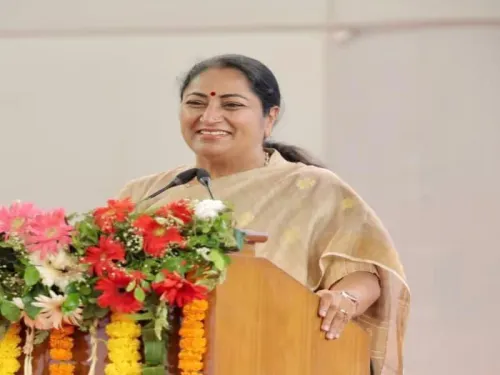
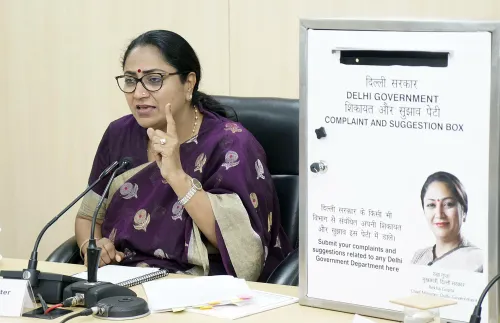
Delhi Chief Minister Rekha Gupta on Friday, 19 June recommended to Lieutenant Governor T.S. Sandhu the transfer of 74 government doctors — including 39 currently posted at Tihar and Mandoli jails for over five years — as part of a broader push to overhaul healthcare human resource management in the capital.
Key Developments
The proposal covers both specialist doctors and General Duty Medical Officers (GDMOs) stationed at the two jail facilities. According to an official statement, several of these doctors have remained at the same posting since 2014, with tenures exceeding 11 years in some cases. Around 35 doctors are proposed for deployment in their place, bringing the total number of transfers under the recommendation to approximately 74.
What the Government Said
Chief Minister Gupta stated that the move is aimed at strengthening the administrative framework of the Health Department and making human resource management more effective. 'Administrative reforms, balanced utilisation of resources and a culture of accountability are essential for strengthening the healthcare system,' she said, adding that corrective measures are being taken wherever required.
The government's stated objective is to ensure better utilisation of available personnel and strengthen institutional capacity so that citizens receive quality healthcare services.
Broader Reform Context
The jail-doctor reshuffle is part of a wider administrative reform exercise underway in Delhi's Health Department. The Chief Minister noted that a large-scale restructuring was recently carried out in the Central Procurement Agency (CPA) under the Health and Family Welfare Department, in which more than 40 medical, paramedical and administrative officers and staff members were transferred. Experienced medical officers from various hospitals were also deployed to strengthen procurement, supply and administrative systems.
Impact on Jail Healthcare
Long-tenure postings in correctional facilities have historically raised concerns about institutional inertia and the quality of in-custody medical care. Tihar, one of Asia's largest prison complexes, and Mandoli together house a significant inmate population whose healthcare access depends directly on the doctors posted there. Periodic rotation is widely regarded in public health administration as a tool to prevent stagnation and improve service delivery.
What Happens Next
The recommendation now awaits formal approval from Lieutenant Governor T.S. Sandhu. Once cleared, the transfers are expected to be implemented across the affected jail and health facilities. The Delhi government has indicated that periodic reviews of postings will continue as a standard practice going forward.
Point of View
But the real test is whether the replacement postings are merit-based or susceptible to the same entrenchment over time. Jail healthcare in India is chronically under-scrutinised; a reshuffle without a parallel audit of care quality and inmate health outcomes risks being a paperwork exercise. The LG's approval is also a reminder of Delhi's fractured governance structure, where even routine departmental decisions require clearance at the top.
NationPress
19 Sept 2026
Frequently Asked Questions
Why has Delhi CM Rekha Gupta recommended the transfer of 74 doctors?
Chief Minister Rekha Gupta recommended the transfers to improve healthcare human resource management and prevent long-tenure stagnation, particularly in jail facilities. Several doctors have been at the same posting for over five years, with some serving at Tihar and Mandoli jails since 2014.
Which doctors are included in the proposed reshuffle?
The proposal covers 39 specialist doctors and General Duty Medical Officers (GDMOs) posted at Tihar and Mandoli jails for five or more years, along with around 35 other doctors to be deployed in their place, totalling approximately 74 transfers.
Who needs to approve the transfer recommendation?
The recommendation has been sent to Lieutenant Governor T.S. Sandhu, whose formal approval is required before the transfers can be implemented.
Is this transfer linked to any broader reform in Delhi's Health Department?
Yes. The jail-doctor reshuffle is part of a wider administrative reform. The Delhi government recently completed a separate restructuring of the Central Procurement Agency (CPA) under the Health and Family Welfare Department, transferring more than 40 medical, paramedical and administrative staff.
How long have some of the jail-posted doctors been at the same location?
According to an official statement, several doctors have remained at the same posting since 2014, making their tenure exceed 11 years in some cases — well beyond any standard rotation cycle.