Delhi CM Rekha Gupta Opens Monsoon Session With Vande Mataram
Synopsis
Delhi Chief Minister Rekha Gupta opened the Delhi Legislative Assembly's Monsoon Session on 7 August 2026 with a collective singing of Vande Mataram, calling it an invocation of India's cultural identity and a pledge to pursue good governance and public welfare in the capital.
Key Takeaways
The Delhi Legislative Assembly's Monsoon Session commenced on 7 August 2026 with a collective singing of Vande Mataram .
CM Rekha Gupta described the national song as a symbol of India's cultural consciousness and undivided devotion to the motherland.
Vande Mataram was composed by Bankim Chandra Chatterjee and adopted as India's national song in 1950 .
The tradition of opening legislative sessions with the national song dates to the early years of the Indian republic.
The session is expected to take up bills and resolutions on governance, public health, education, and local administration in Delhi.
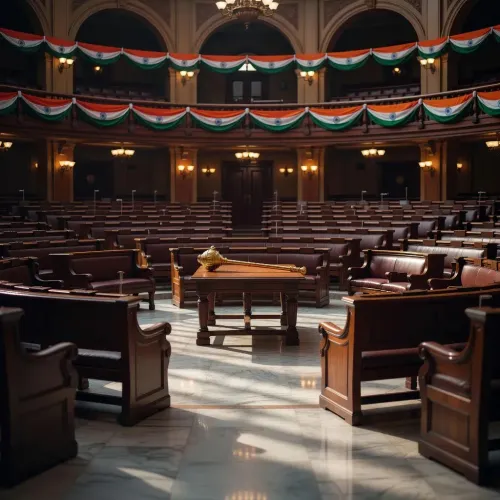
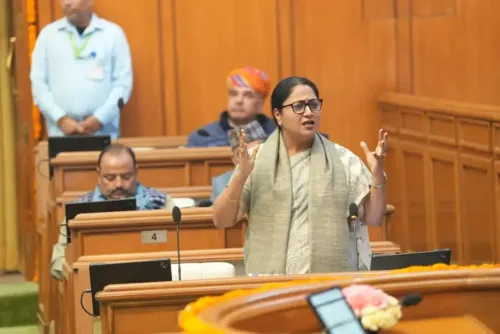
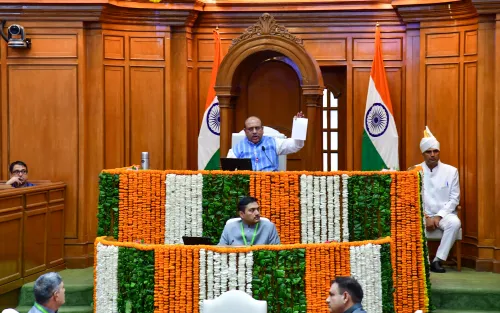
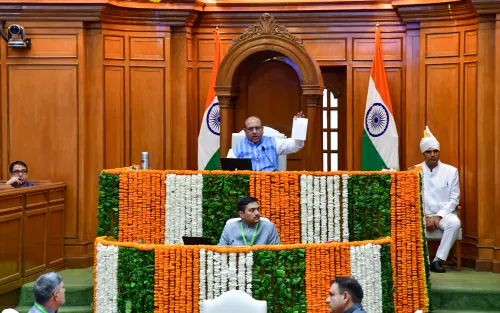
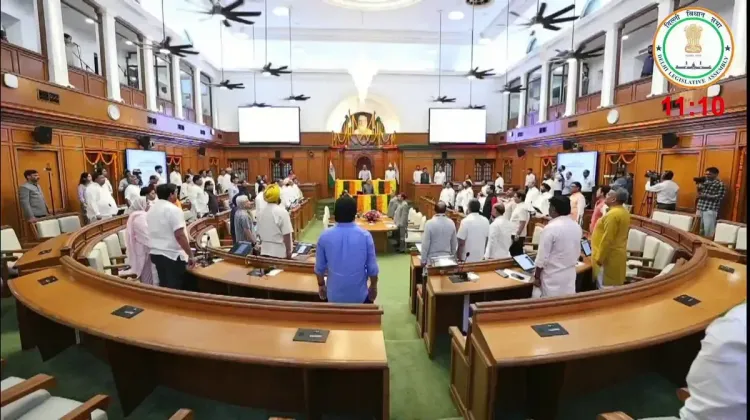
The Delhi Legislative Assembly's Monsoon Session opened on Friday, 7 August 2026 with the collective singing of Vande Mataram — a moment Delhi Chief Minister Rekha Gupta described as an invocation of India's cultural conscience and an undivided devotion to the motherland.
Sharing the moment on X, CM Gupta wrote that the resonance of Vande Mataram in the House inspires legislators to advance the goals of public welfare, good governance, and a developed Delhi — placing national interest above all else.
A Song That Has Opened Sessions Since the Republic's Earliest Days
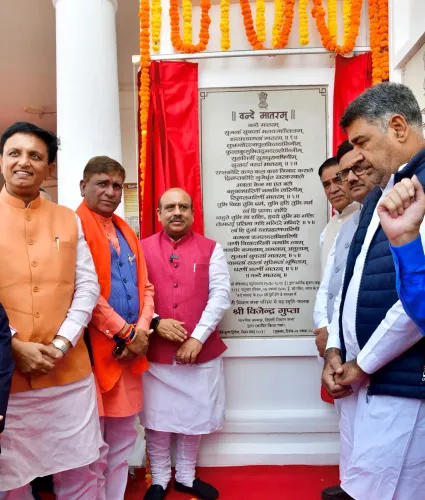
Vande Mataram, composed by Bankim Chandra Chatterjee and adopted as India's national song in 1950, has long served as a ceremonial anchor for Indian legislatures. The practice of opening sessions with the national song or anthem stretches back to the early years of the republic, a tradition designed to affirm constitutional values and national unity before the business of governance begins.
State assemblies across India follow the same custom — the song functioning as a collective reset, reminding elected representatives of the larger obligation that frames every bill, budget, and resolution they will debate.
What the Monsoon Session Is Expected to Take Up
The session's ceremonial opening sets the stage for the Delhi Assembly to take up its legislative agenda — bills, resolutions, and accountability proceedings on subjects ranging from public health and education to local governance. The specific agenda items for this monsoon session have not yet been formally announced.
As the unicameral legislature of the National Capital Territory of Delhi, the Assembly holds authority over state-list subjects, making each session a key window for the Gupta government to advance or defend its policy priorities before Delhi's residents and MLAs.
A monsoon session that begins with a unified chorus rarely stays ceremonial for long — the real test is what the House does once the song fades.
Point of View
But the emphasis Gupta places on it publicly underlines her government's intent to project a 'nation-first' identity ahead of the session's substantive agenda. The real political weight will fall on the bills and accountability debates that follow — the ceremonial opening sets a tone, but the monsoon session's legislative output will define the Gupta government's record this term.
NationPress
7 Aug 2026
Frequently Asked Questions
When did the Delhi Assembly Monsoon Session 2026 begin?
The Delhi Legislative Assembly's Monsoon Session began on Friday, 7 August 2026 , opening with a collective singing of Vande Mataram.
Who is the Chief Minister of Delhi in 2026?
Rekha Gupta is the Chief Minister of Delhi and a senior BJP leader heading the government of the National Capital Territory of Delhi.
Why is Vande Mataram sung at the start of assembly sessions?
Indian legislative bodies have followed the tradition of opening sessions with Vande Mataram or the national anthem since the early republic era, as a symbolic affirmation of national unity and constitutional values before the business of governance begins.
What is Vande Mataram and who wrote it?
Vande Mataram is India's national song, composed by Bankim Chandra Chatterjee and officially adopted in 1950 . It is widely used in official and public ceremonies to invoke patriotic sentiment.
What will the Delhi Assembly Monsoon Session 2026 cover?
The session is expected to take up legislation and resolutions on state-list subjects including public health, education, and local governance in Delhi, though the specific agenda has not yet been formally announced.