Delhi Police personnel allege stone pelting, vandalism by 'anti-social elements' in CJP march
Synopsis
Injured Delhi Police officers have pushed back against 'brutal action' allegations, claiming 'anti-social elements' embedded in the CJP's Parliament march broke barricades, vandalised vehicles, and pelted stones — injuring around 100 to 150 people including senior officers. With both sides nursing wounds and prohibitory orders having been defied, the incident sets up a sharper confrontation over protest policing in the capital.
Key Takeaways
Delhi Police personnel injured in the CJP Parliament march on 21 July alleged 'anti-social elements' in the crowd triggered violence.
Additional DCP Anand Kumar Mishra said organisers refused to share march details despite repeated police requests, and that he was personally injured in stone pelting.
ASI Datta Barade said the crowd swelled to nearly 10,000 ; a stone struck him on the head and he was treated at RML Hospital .
Around 100 to 150 people reportedly sustained injuries during the protest.
Officers allege barricades were broken, police vehicles vandalised, and personnel pulled into the crowd and assaulted.
The Police Commissioner visited injured officers at RML Hospital ; legal action against violators is expected.
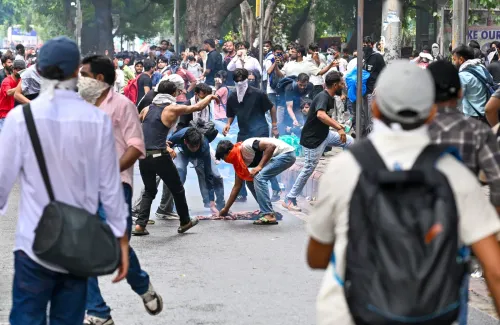
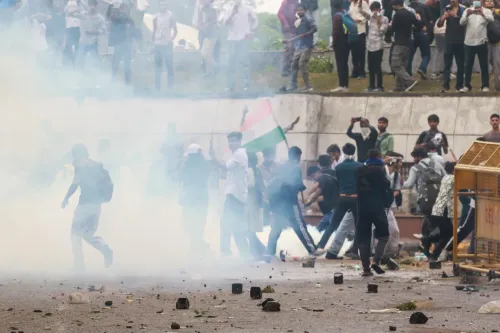
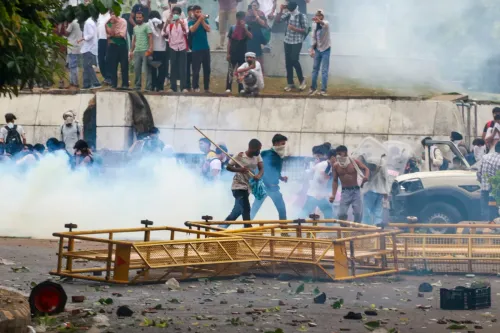
Injured Delhi Police personnel on Tuesday, 21 July alleged that 'anti-social elements' had infiltrated a march organised by the Cockroach Janta Party (CJP) toward Parliament, triggering stone pelting, barricade-breaking, and attacks on officers — even as the police force itself faced criticism for its handling of the protest. Around 100 to 150 people reportedly sustained injuries in the violence.
What the Police Said
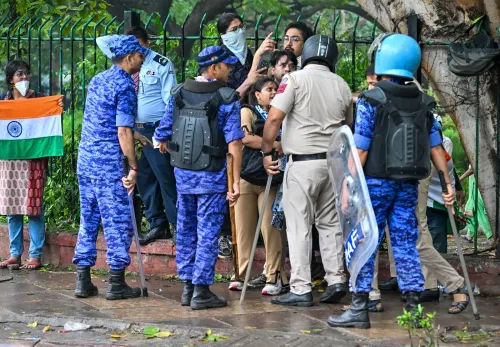
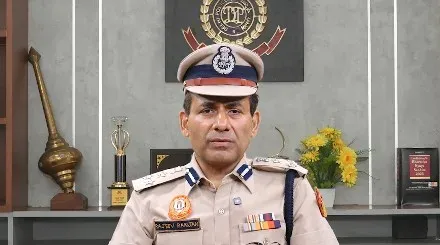
Additional Deputy Commissioner of Police Anand Kumar Mishra, who said he was personally injured in the stone pelting, stated that his team had made 'elaborate security arrangements' after receiving intelligence through social media about the proposed march. He said organisers were repeatedly contacted and asked to share their plan — including the expected number of participants and the route — but provided no information.
'When we received information through social media about the proposed protest, we repeatedly contacted the organisers and asked them to share their blueprint, including the expected number of participants, the route, and other details. However, they did not provide any information. Yesterday, they suddenly began marching according to their own plan,' Mishra said.
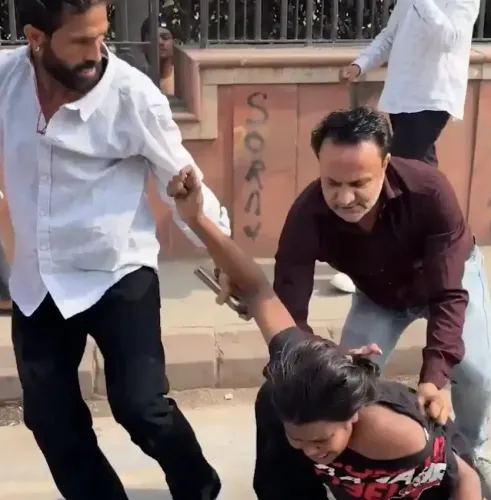
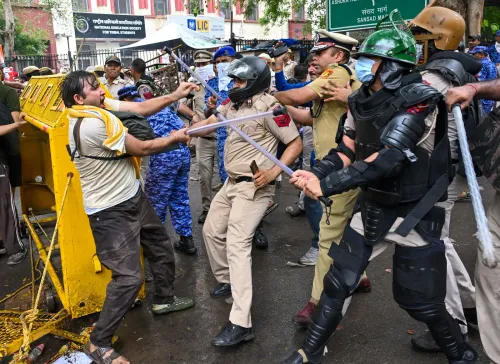
He alleged that during the march, 'some unruly elements with a different agenda turned violent,' breaking barricades, damaging private and police vehicles, assaulting personnel, pulling officers into the crowd, tearing uniforms, and bringing sticks. 'Despite exercising maximum restraint and repeatedly announcing that the march was illegal and asking them to stop, they refused to comply,' he added.
Ground Account from Injured Officers
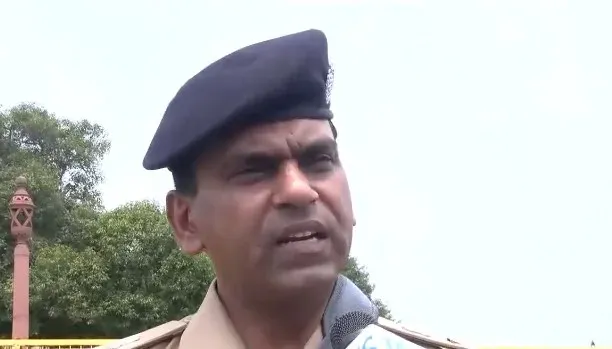
Assistant Sub-Inspector Datta Barade, who sustained a head injury during the protest, said the crowd had swelled to nearly 10,000 people. He described repeated attempts by police to enforce prohibitory orders before the situation turned violent.
'They forcibly broke through the first barricade and moved ahead. They also broke the next barricade, after which they reached near the Parliament. We again made every effort to stop and convince them, but they started pelting stones at the police,' Barade said. He added that one stone struck him on the head, after which he was transported to Ram Manohar Lohia (RML) Hospital in a PCR van.
Barade also alleged: 'There might be some anti-social elements among the crowd who defied orders of the police and pelted stones. They were not even ready to listen to the CJP members.'
Delhi Police officer Naveen Ola corroborated the account, saying the crowd turned unruly while officers were also trying to ensure the safety of women and children present. 'They started pelting stones at us, and I suffered a head injury,' Ola said, adding that the Police Commissioner visited them at RML Hospital during treatment.
The Backdrop: Allegations of 'Brutal Action'
The police version comes against the backdrop of sharp criticism levelled at the force for allegedly using excessive force against protesters during the CJP march to Parliament. The injured officers' accounts represent the police's counter-narrative — that the violence was initiated by a section of the crowd, not by the force.
Notably, Additional DCP Mishra underscored that while the right to protest is constitutionally guaranteed, it must be exercised within the framework of the law — a position the police have consistently maintained in the face of public pressure.
What Comes Next
With injuries reported on both sides and prohibitory orders having been in force, legal proceedings against those alleged to have broken barricades and pelted stones are expected. The incident is likely to intensify the broader political debate over policing of protests in the capital, and scrutiny of both the CJP's march planning and the Delhi Police's crowd-management protocols will continue.
Point of View
A hospital visit by the Commissioner, and an on-record allegation that elements within the crowd defied even the CJP's own members. The critical question mainstream coverage risks skipping is why prohibitory orders were in place at all, and whether the police's refusal to engage with the march route — rather than its enforcement — contributed to the breakdown. Without independent verification of the sequence of events, both the 'brutal action' charge and the 'anti-social elements' defence remain contested claims.
NationPress
20 Oct 2026
Frequently Asked Questions
What happened during the CJP march to Parliament in Delhi?
A march organised by the Cockroach Janta Party toward Parliament on 21 July turned violent, with Delhi Police alleging that 'anti-social elements' in the crowd broke barricades, pelted stones, and vandalised vehicles. Around 100 to 150 people, including police personnel, were reportedly injured.
Why are Delhi Police facing criticism over the CJP protest?
Delhi Police have been accused of unleashing 'brutal action' against protesters during the march. The injured officers' statements represent the force's counter-position, alleging that violence was initiated by a section of the crowd rather than the police.
Which police officers were injured and how?
Additional DCP Anand Kumar Mishra said he was personally injured in stone pelting. ASI Datta Barade sustained a head injury from a stone and was taken to RML Hospital by PCR van. Officer Naveen Ola also reported a head injury while trying to control the crowd.
How large was the crowd at the CJP Parliament march?
According to ASI Datta Barade, the crowd had swelled to nearly 10,000 people by the time violence broke out near Parliament.
What legal action is expected following the Delhi protest violence?
With prohibitory orders in force at the time of the march and allegations of barricade-breaking and assault on police, legal proceedings against those identified as having violated the orders are expected, though no specific arrests had been confirmed in initial reports.