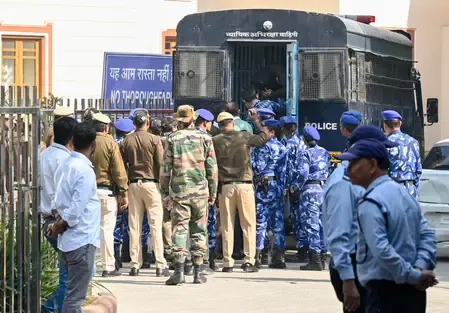
Delhi Court Places Seven Foreign Nationals in 30-Day Judicial Custody for Myanmar Terror Training

Synopsis
A Delhi court has ordered the judicial custody of seven foreign nationals for allegedly providing terror training in Myanmar. This case, under investigation by the NIA, highlights an international network potentially linked to insurgent groups.
Key Takeaways
Seven foreign nationals placed in judicial custody.
Accused of terror training in Myanmar.
Investigated by the NIA .
Involvement of an international network .
Ongoing investigations to uncover further connections.
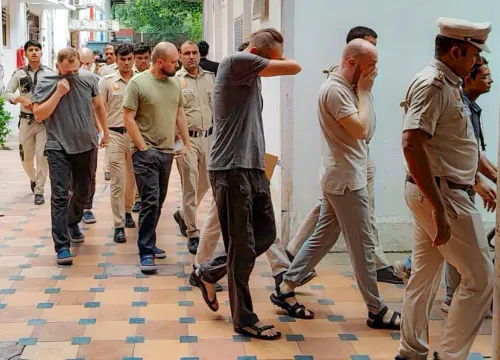
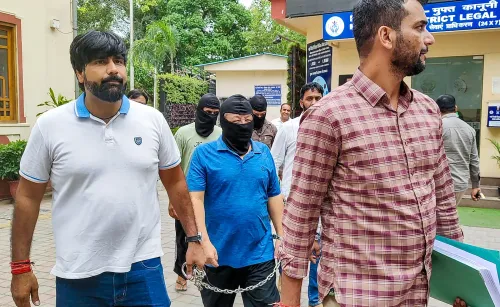
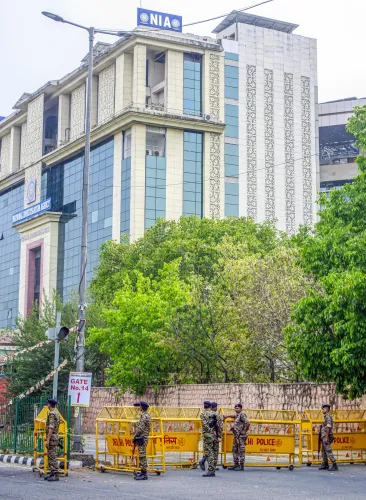
New Delhi, April 6 (NationPress) - A Delhi court has ordered the judicial custody of seven foreign nationals for a duration of 30 days, who are implicated in providing terror training in Myanmar. This case is presently under investigation by the National Investigation Agency (NIA).
The ruling was made by the NIA Court located at Patiala House, following the expiration of the previously granted custody period for the accused.
The group consists of six Ukrainian nationals and one American citizen, arrested due to their alleged involvement in a global network that is said to provide weapons and drone training to insurgent factions along the India-Myanmar border.
The NIA has alleged that these individuals facilitated the acquisition and transportation of drones and electronic jamming devices from Europe as part of these training operations.
Officials have indicated that the suspects were apprehended from various locations across the country, including Delhi, Lucknow, and Kolkata. They reportedly entered India on tourist visas and later traveled to the northeastern states before illegally crossing into Myanmar.
Investigators have stated that efforts are ongoing to uncover the full scope of the alleged conspiracy and to identify all individuals associated with this network.
The seven individuals in question include Ukrainian nationals Petro Hubra, Taras Slyviak, Ivan Sukmanovskyi, Marian Stefankiv, Maksym Honcharuk, and Viktor Kaminskyi, along with the American national VanDyke.
This case is part of a broader investigation by the NIA into a purported international network of foreign mercenaries operating in India’s northeastern regions.
According to sources, the anti-terror agency is actively pursuing leads to identify the larger network, including potential local collaborators and international connections.
Previously, the court had permitted the NIA to conduct proceedings at its headquarters, and due to security considerations, all future hearings are scheduled to take place there, with the accused to be presented before the presiding judge.
Point of View
This case underscores the complexities of international terrorism and the challenges faced by Indian authorities in countering foreign influences in its northeastern regions. The involvement of foreign nationals raises serious concerns about national security and necessitates a thorough investigation to dismantle these networks.
NationPress
24 Sept 2026
Frequently Asked Questions
What are the charges against the seven foreign nationals?
They are accused of providing terror training in Myanmar and are implicated in an international network supplying weapons and drone training to insurgent groups.
Who are the accused individuals?
The group consists of six Ukrainian nationals and one American citizen.
What agency is investigating the case?
The investigation is being conducted by the National Investigation Agency (NIA).
Where were the accused arrested?
They were apprehended from various locations across India, including Delhi, Lucknow, and Kolkata.
What is the next step in the investigation?
Further investigations are underway to uncover the full scope of the alleged conspiracy and identify all individuals involved.