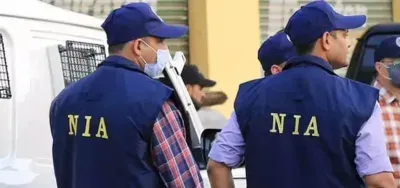
Delhi court frames charges against 21 PFI accused, trial from July 29
Synopsis
Twenty-one PFI leaders, including former chairman E. Abubacker, have pleaded not guilty in the NIA's sweeping terror conspiracy case — one that alleges a plot to overthrow India's government and establish a Caliphate by 2047. With trial set for July 29, the case will be a landmark test of UAPA's conspiracy provisions, where no actual terrorist act need have occurred for charges to stick.
Key Takeaways
All 21 accused in the NIA's PFI terror conspiracy case pleaded not guilty before a Special NIA Court in New Delhi on 11 July .
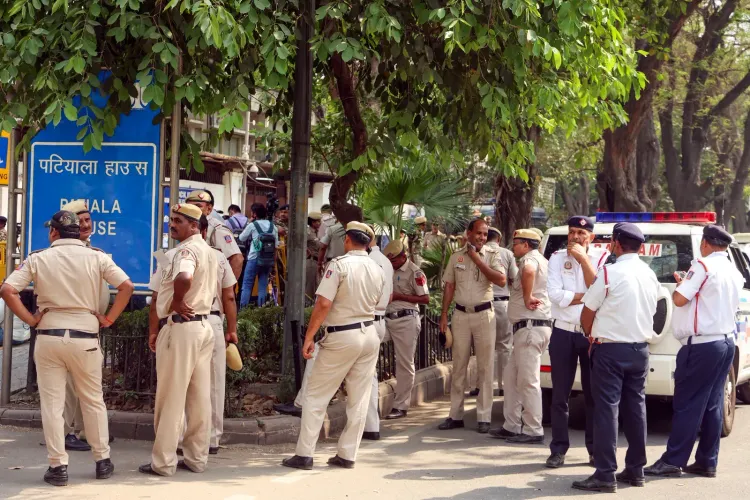
Trial is scheduled to commence on 29 July at the Patiala House Courts .
Accused face charges under the UAPA and IPC , including waging war against India and criminal conspiracy.
The NIA alleges the PFI conspired to establish an Islamic Caliphate in India by 2047 through violent means.
Former PFI chairman E.
Abubacker has been in judicial custody since 6 October 2022 ; the Supreme Court denied him medical bail in January last year.
The court ruled that UAPA conspiracy charges do not require a completed terrorist act to attract criminal liability.
A Special NIA Court in New Delhi has fixed 29 July as the date for commencement of trial in the National Investigation Agency's (NIA) terror conspiracy case against former Popular Front of India (PFI) Chairman E. Abubacker and 20 other office-bearers of the banned organisation, after all accused pleaded not guilty before the court on Saturday, 11 July. The case, rooted in the September 2022 ban on PFI, marks one of the most significant UAPA prosecutions in recent years.
What Happened in Court
All 21 accused appeared before the Special NIA Court at Patiala House Courts and denied the charges framed against them, opting to face trial. The court formally fixed 29 July for the trial's commencement. The accused face prosecution under multiple provisions of the Unlawful Activities (Prevention) Act (UAPA) and the Indian Penal Code (IPC), including offences relating to waging war against the Government of India, criminal conspiracy, and other terror-related charges.
Background: Charges and Prior Rulings
The trial date follows a 5 June order by Additional Sessions Judge Prashant Sharma, who dismissed the accused's discharge applications and directed that charges be framed, holding that material on record raised a 'grave suspicion' against them. The court had clarified that at the charge-framing stage, it was not required to determine guilt or innocence — only whether the material disclosed grave suspicion.
Notably, the court also rejected the defence argument that no actual terrorist act had been carried out, ruling that offences of conspiracy, fundraising, recruitment, and organising arms training camps under the UAPA do not require commission of a terrorist act to attract criminal liability. The PFI itself has been arrayed as an accused in the case.
What the NIA Alleges
According to the NIA, the accused — acting through the PFI and its National Executive Council (NEC) — conspired to overthrow India's secular democratic government and establish an Islamic Caliphate governed by Sharia law by or before 2047, through violent means. The anti-terror agency has alleged that the conspiracy involved recruitment and radicalisation of Muslim youth, organisation of weapons training camps across multiple states, fundraising through various channels, attempts to procure firearms, and support to extremist activities.
Among those against whom the court found sufficient material are PFI Chairman O.M.A. Salam, Vice Chairman E.M. Abdul Rahiman, General Secretary Anis Ahmed, and several other senior office-bearers, under different provisions of the UAPA and the IPC.
Abubacker's Custody and Bail History
E. Abubacker was arrested by the NIA on 22 September 2022 and has remained in judicial custody since 6 October 2022. In January last year, the Supreme Court declined to grant him medical bail after examining reports submitted by a panel of doctors from AIIMS Delhi. A bench headed by Justice M.M. Sundresh stated it was not inclined to release him on medical grounds at that stage, while granting him liberty to seek relief from the trial court if his condition worsened. The top court also rejected his alternative plea for house arrest.
What Comes Next
With all 21 accused having entered their not-guilty pleas, the trial proper is set to begin on 29 July. The case will test the evidentiary weight of the NIA's charge-sheet and the legal boundaries of conspiracy liability under the UAPA — particularly the threshold for proving intent without a completed terrorist act. The outcome will have significant implications for how India's anti-terror framework prosecutes organisational conspiracy.
Point of View
But active, knowing participation in a conspiracy with violent ends. That is a far higher bar than charge-framing, and the evidentiary record will face scrutiny that the discharge-application stage did not demand. With Abubacker in custody for nearly three years without trial, the proceedings will also invite questions about pre-trial detention norms under UAPA — a law whose bail provisions remain among the most restrictive in the democratic world.
NationPress
10 Oct 2026
Frequently Asked Questions
What is the NIA's terror conspiracy case against PFI leaders?
It is a case filed by the National Investigation Agency alleging that the Popular Front of India and its senior office-bearers, including former chairman E. Abubacker, conspired to overthrow India's government and establish an Islamic Caliphate by 2047 through violent means. The accused face charges under the UAPA and IPC, including waging war against India and criminal conspiracy.
When will the PFI terror conspiracy trial begin?
The Special NIA Court at Patiala House Courts in New Delhi has fixed 29 July as the date for commencement of trial, after all 21 accused pleaded not guilty on 11 July.
Why were the accused's discharge applications rejected?
Additional Sessions Judge Prashant Sharma dismissed the discharge applications in a 5 June order, holding that material on record raised a 'grave suspicion' against the accused. The court clarified that at the charge-framing stage, it only needed to assess whether grave suspicion existed — not determine guilt or innocence.
Does the UAPA require a terrorist act to have been carried out for charges to apply?
No. The court ruled that UAPA offences relating to conspiracy, fundraising, recruitment, and organising arms training camps do not require the commission of an actual terrorist act to attract criminal liability. This was a key legal point rejected from the defence's arguments.
What is E. Abubacker's current legal status?
E. Abubacker, former chairman of PFI, has been in judicial custody since 6 October 2022. The Supreme Court declined to grant him medical bail in January last year after reviewing medical reports from AIIMS Delhi, and also rejected his plea for house arrest.