Delhi HC orders police action on Karol Bagh counterfeit brand vendors
Synopsis
The Delhi High Court refused to look away when counterfeit luxury goods surfaced in a routine vendor harassment case — directing Karol Bagh police to act against sellers of suspected fake Louis Vuitton, Puma, and Zara merchandise, while also barring all 24 petitioner-vendors from a notified no-vending stretch of Ajmal Khan Road.
Key Takeaways
The Delhi High Court on 6 August ordered the Karol Bagh SHO to act against vendors selling suspected counterfeit products of brands including Louis Vuitton , Puma , Zara , H&M , Allen Solly , and Calvin Klein .
The order arose from a petition by 24 street vendors holding provisional Certificates of Vending (CoVs) who alleged harassment by the MCD .
The bench — Justice Prathiba M.
Singh and Justice Vikas Mahajan — barred all petitioners from vending on Ajmal Khan Road between Karol Bagh Police Station and Karol Bagh Metro Station , a notified no-vending zone.
All 24 petitioners hold CoVs as mobile vendors only; none have been allotted fixed tehbazari sites.
Town Vending Committee-II , upon constitution, has been directed to install signboards marking no-vending and no-squatting zones.
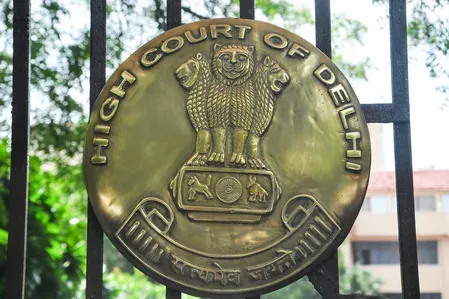
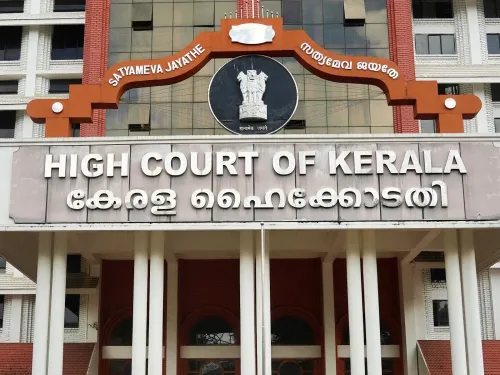
The Delhi High Court has directed the Delhi Police to act against street vendors in the Karol Bagh area found selling suspected counterfeit products of well-known labels including Louis Vuitton, H&M, Zara, Allen Solly, Puma, and Calvin Klein. The order was passed on 6 August by a division bench of Justice Prathiba M. Singh and Justice Vikas Mahajan while hearing a petition filed by 24 street vendors holding provisional Certificates of Vending (CoVs).
Background to the Case
The 24 petitioners had approached the court seeking protection from alleged harassment by the Municipal Corporation of Delhi (MCD) while conducting vending activities in the Karol Bagh locality. Their plea was rooted in grievances over what they described as undue pressure from civic authorities.
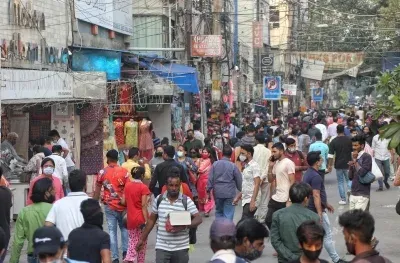
However, the case took a significant turn when the MCD placed photographic evidence before the bench showing several petitioners vending within the notified no-vending and no-hawking stretch of Ajmal Khan Road. The photographs also revealed garments and merchandise bearing the names of internationally recognised brands being sold at these stalls.
What the Court Observed
Taking note of the photographic record, the Justice Singh-led bench remarked: 'If the products sold by the petitioners are counterfeit products or passed-off products, the same would constitute an illegal and unlawful activity, in terms of standard Condition No.10 of the COV. However, this issue is not before this Court, but the Court also cannot turn a blind eye to it.'
The bench directed the Station House Officer (SHO), Karol Bagh Police Station, to take action against the petitioners as well as other vendors in the area found selling counterfeit branded goods, and to proceed in accordance with the law thereafter.
No-Vending Zone Restrictions
The court categorically held that none of the petitioners could be permitted to squat or vend on the stretch of Ajmal Khan Road between Karol Bagh Police Station and Karol Bagh Metro Station, which has already been declared a no-vending and no-squatting zone. The MCD confirmed that all 24 petitioners had been issued provisional CoVs only as mobile vendors and had not been allotted any fixed tehbazari sites.
The court further directed that if any petitioner is found vending in prohibited areas, both the MCD and the concerned SHO shall ensure their removal to prevent obstruction to pedestrians and maintain unhindered access to the Karol Bagh Metro Station.
Signage and Awareness Gap
The bench also acknowledged a submission that mobile vendors are often unaware of notified no-vending zones due to the absence of proper signboards on the ground. It observed that several such zones risk remaining 'no-vending' only on paper unless physical signage is installed. It directed Town Vending Committee-II, upon its constitution, to install boards identifying no-vending and no-squatting areas.
The MCD, however, informed the court that appropriate signage has already been installed on Ajmal Khan Road indicating its no-vending and no-squatting status.
What Vendors Can Still Do
Subject to compliance with the conditions of their CoVs and the additional directions issued by the High Court, the petitioners were permitted to continue their mobile vending activities outside the prohibited zones. The ruling draws a clear line: vendors with valid certificates may operate, but not in restricted areas and not with counterfeit merchandise.
The order signals that intellectual property violations at street-vending level are now firmly within the judicial lens, even when the primary dispute before the court concerns civic rights.
Point of View
Even when they arrive as a side issue in a civic harassment case. The court's refusal to 'turn a blind eye' sets a precedent that counterfeit goods at informal retail points can attract police action independent of a formal brand complaint. What remains unresolved is enforcement capacity — Karol Bagh's informal market runs deep, and a single SHO directive without sustained follow-through risks becoming another paper order. The signage gap flagged by the court also points to a systemic failure: vendors cannot comply with zones they cannot identify.
NationPress
20 Sept 2026
Frequently Asked Questions
Why did the Delhi High Court order action against Karol Bagh vendors?
The court directed police action after photographic evidence placed before it showed vendors selling garments bearing names of brands such as Louis Vuitton, Puma, and Zara — goods the bench noted could constitute counterfeit or passed-off products, which would violate standard Condition No.10 of their Certificates of Vending. The issue surfaced during a hearing on a petition by 24 vendors alleging MCD harassment.
Which brands were allegedly being counterfeited by Karol Bagh vendors?
The photographs placed before the Delhi High Court showed merchandise bearing the names of Louis Vuitton, H&M, Zara, Allen Solly, Puma, and Calvin Klein. The court treated these as suspected counterfeit or passed-off products.
What is the no-vending zone restriction imposed by the court?
The Delhi High Court barred all 24 petitioner-vendors from vending or squatting on the stretch of Ajmal Khan Road between Karol Bagh Police Station and Karol Bagh Metro Station, which has been officially declared a no-vending and no-squatting zone. Violators can be removed by the MCD or the local SHO.
Can the 24 vendors continue any vending activity at all?
Yes, but only as mobile vendors and strictly outside notified no-vending or no-hawking areas, in compliance with the conditions of their provisional Certificates of Vending. None of them have been allotted fixed tehbazari sites.
What did the court say about signage for no-vending zones?
The bench acknowledged that vendors are often unaware of no-vending zones due to missing signboards, and directed Town Vending Committee-II, once constituted, to install identifying boards. The MCD, however, informed the court that signage on Ajmal Khan Road is already in place.