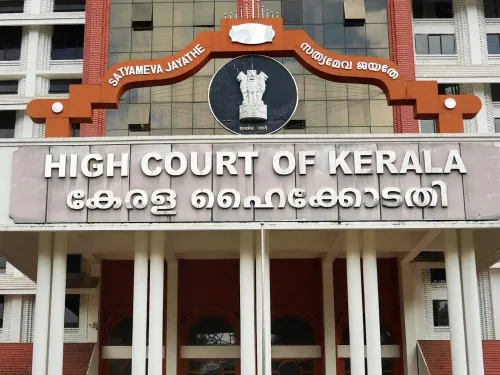
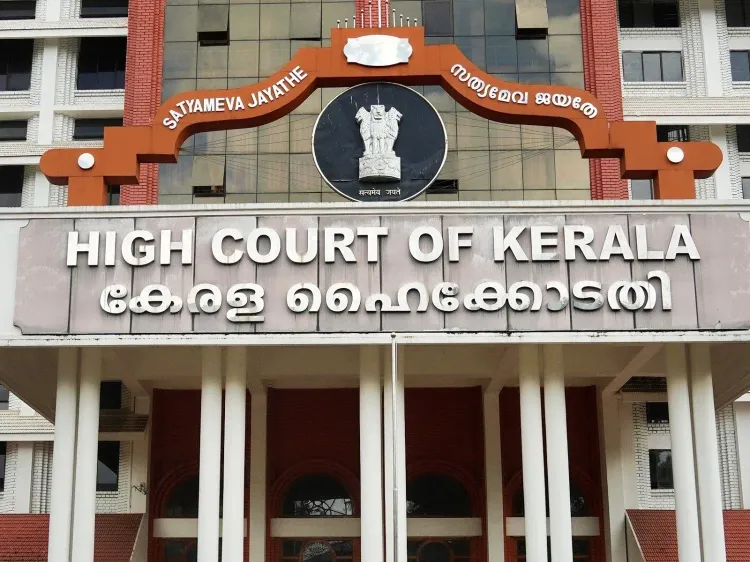
Kerala HC closes DGP Sreejith Dubai trip case after govt rules out vigilance probe
Synopsis
The Kerala government told the High Court that DGP S. Sreejith needs no vigilance probe over his Dubai trip — but the petitioner who raised the alarm walks away with the right to fight on. The case also drew a rare judicial rebuke of state officials for procedural lapses, including routing court requests through clerks and peons.
Key Takeaways
Kerala government told the High Court on 20 August that no Vigilance probe is warranted against DGP S.
Sreejith was alleged to have travelled to Dubai on casual leave without mandatory foreign travel permission and attended a private enterprise inauguration allegedly linked to him.
Additional Chief Secretary Minhaj Alam appeared personally before Justice A.
Badharudeen after the court flagged non-compliance with an earlier order.
The court had earlier ruled that a joint hearing with the accused officer present was not a fair procedure; an independent hearing was subsequently granted to the petitioner.
Justice Badharudeen warned officials that repeated compliance lapses could invite contempt proceedings and cost orders.
The petitioner retains the right to pursue further legal remedies despite the proceedings being closed.
The Kerala government on Thursday, 20 August told the Kerala High Court that no Vigilance investigation is warranted at present against Director General of Police (DGP) S. Sreejith, IPS, who faced allegations of travelling to Dubai without prior foreign travel permission and attending the inauguration of a private enterprise allegedly linked to him. The submission by a senior Home Department official effectively brought the court proceedings to a close, though the petitioner retains the right to pursue further legal remedies.
What the Allegations Were
The petitioner had alleged that DGP Sreejith availed casual leave and flew to Dubai without securing the mandatory permission required for government officers to travel abroad. He was further alleged to have attended the inauguration of a private enterprise that reportedly had connections to him — a claim the Vigilance Department's own compliance report had dismissed as false and vexatious.
The petition before Justice A. Badharudeen challenged that very compliance report, arguing it did not adequately address the substance of the allegations.
The Government's Stand Before Court
Additional Chief Secretary, Home and Vigilance Department, Minhaj Alam, appeared personally before Justice Badharudeen after the court directed his presence, citing concerns that the government had not complied with an earlier order. Alam submitted that he had granted the petitioner an independent personal hearing — in the absence of Sreejith — as directed, and had thereafter concluded that a Vigilance probe was not required at this stage.
The court had previously ruled that requiring a complainant to participate in a hearing in the presence of the very person against whom allegations were made could not be considered a fair procedure. The petitioner had declined an earlier joint hearing on precisely those grounds, asserting his willingness to appear only in an independent setting.
Court's Warning to Officials
While closing the proceedings, Justice Badharudeen issued a pointed warning to government officials on compliance with court orders. The court cautioned that repeated lapses could result in mandatory personal appearances and even contempt proceedings.
The bench also orally directed officials to file proper petitions when seeking further orders from the court, instead of routing such requests through clerks or peons. The court warned that costs could be imposed if such procedural lapses recurred.
What Happens Next
The court order leaves the petitioner free to pursue appropriate legal remedies, including a fresh challenge if new evidence or procedural grounds emerge. DGP Sreejith, who was recently promoted to his current rank, faces no immediate Vigilance action under the government's current position. The matter, however, is not formally closed at law — the petitioner's options remain open.
Point of View
The judicial rebuke over clerks and peons approaching the High Court on behalf of the state suggests that procedural sloppiness is not incidental but systemic. The petitioner's liberty to pursue further remedies is technically meaningful, but practically, challenging a closed government inquiry without fresh evidence is an uphill task.
NationPress
5 Oct 2026
Frequently Asked Questions
What were the allegations against DGP S. Sreejith?
DGP S. Sreejith, IPS, was alleged to have taken casual leave and travelled to Dubai without obtaining the mandatory foreign travel permission required for serving government officers. He was also alleged to have attended the inauguration of a private enterprise reportedly connected to him.
What did the Kerala government tell the High Court?
Additional Chief Secretary Minhaj Alam told the Kerala High Court on 20 August that, after granting the petitioner an independent personal hearing, he concluded that a Vigilance investigation against DGP Sreejith was not warranted at present. The court subsequently closed the proceedings.
Why was the Additional Chief Secretary summoned personally?
Justice A. Badharudeen summoned Additional Chief Secretary Minhaj Alam in person after allegations arose that the government had not complied with an earlier court direction to give the petitioner an independent hearing — one held without DGP Sreejith present.
Can the petitioner challenge the government's decision further?
Yes. The High Court explicitly gave the petitioner liberty to pursue appropriate legal remedies in accordance with law, meaning a fresh challenge or writ petition remains an option if new grounds or evidence emerge.
What warning did the Kerala High Court issue to state officials?
Justice Badharudeen warned that repeated failures to comply with court orders could result in mandatory personal appearances and contempt proceedings. The court also directed officials to file proper petitions for further orders instead of sending clerks or peons to the High Court, and cautioned that cost orders could follow future lapses.