Did the Telangana HC Dismiss the Petition Against DGP's Appointment?

Synopsis
The Telangana High Court has dismissed a petition challenging the appointment of B. Shivadhar Reddy as the DGP, ruling that the state must comply with Supreme Court guidelines for future appointments. This decision brings clarity to the ongoing debate over police leadership in Telangana.
Key Takeaways
The Telangana High Court has dismissed a petition against DGP B.
Shivadhar Reddy's appointment.
The UPSC must finalize the DGP appointment process within four weeks.
The state government is to submit a counter-affidavit by February 5.
Future appointments must adhere to Supreme Court directives.
The court has not received a list of eligible officers since 2017.
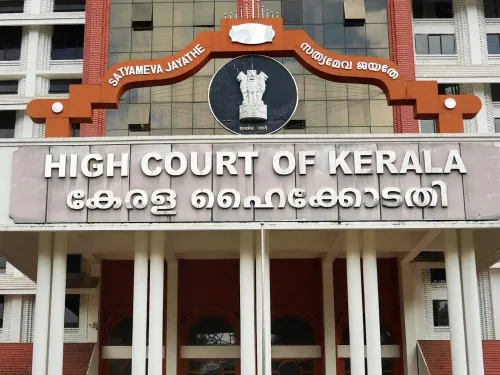
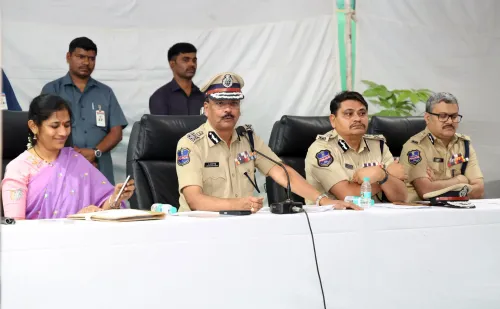
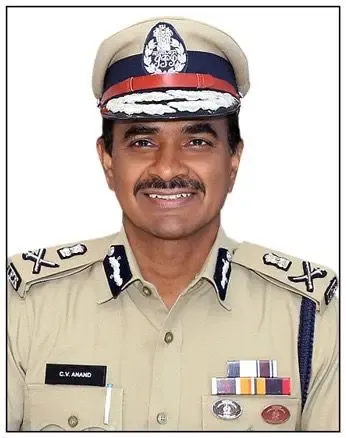
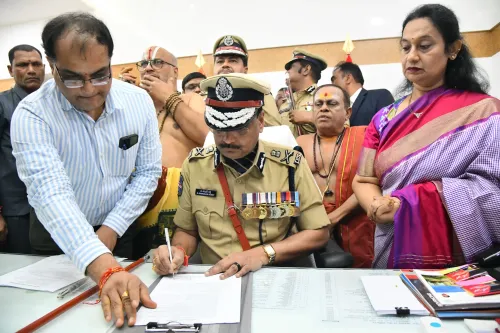
Hyderabad, Jan 9 (NationPress) In a significant development for Telangana’s Director General of Police B. Shivadhar Reddy, the Telangana High Court has officially dismissed a writ petition that contested his appointment as the chief of the state police force.
The ruling was delivered by Justice Pulla Karthik on Friday, following a hearing that took place the previous day.
The court has mandated the Union Public Service Commission (UPSC) to finalize the appointment process for the DGP within a timeframe of four weeks.
Additionally, the state government has been instructed to submit a counter-affidavit by February 5 regarding the procedures involved in appointing the DGP.
The petition was filed by social activist T. Dhangopal Rao, who argued that Shivadhar Reddy's appointment breaches the directives set forth by the Supreme Court.
The petitioner sought a suspension of the appointment and called for a proper DGP to be appointed in accordance with the established guidelines.
After the retirement of DGP Jitender, the state government appointed the 1994-batch IPS officer as DGP, Coordination on September 26 the previous year, granting him full additional responsibilities as DGP-Head of Police Force (HoPF).
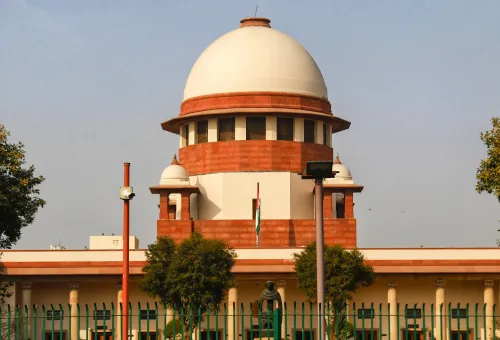
In his argument, the petitioner asserted that the government order appointing Shivadhar Reddy as HoPF contravenes the Supreme Court’s judgment in the case of Prakash Singh vs Union of India, which prohibits the appointment of an 'acting' or 'additional charge' DGP.
Advocate General A. Sudershan Reddy informed the Court that the state government had been submitting proposals since April 2025 and that the UPSC had requested clarifications. Following the court’s directive on December 24, the government provided the UPSC with a list of eligible officers on December 31.
However, the UPSC replied on January 1, indicating that the submitted panel did not comply with the Supreme Court’s guidelines from the Prakash Singh case and suggested that the state seek further clarification from the apex court. The Advocate General contended that the UPSC should not have returned the proposal.
The court was informed that the UPSC requires the state government to submit the list of senior IPS officers eligible for the DGP position three months prior to the retirement of the current holder, and noted that no such list has been provided since 2017.
Point of View
It's crucial to recognize the implications of this court ruling on the appointment of police leadership in Telangana. The dismissal of the petition not only upholds the current DGP's position but also emphasizes the necessity for state governments to adhere strictly to Supreme Court directives in future appointments. This serves as a reminder of the importance of transparency and adherence to legal frameworks in governance.
NationPress
6 Oct 2026
Frequently Asked Questions
What was the basis for the petition against DGP Shivadhar Reddy's appointment?
The petition claimed that Shivadhar Reddy's appointment violated Supreme Court directives concerning the appointment of DGPs, specifically the prohibition against appointing acting or additional charge DGPs.
What did the Telangana High Court rule regarding the appointment?
The Telangana High Court dismissed the petition, allowing Shivadhar Reddy to continue as DGP and directed the UPSC to complete the appointment process within four weeks.
What are the implications of this ruling for the state government?
The ruling emphasizes the importance of complying with Supreme Court guidelines in future police appointments and requires the state government to submit the list of eligible officers on time.