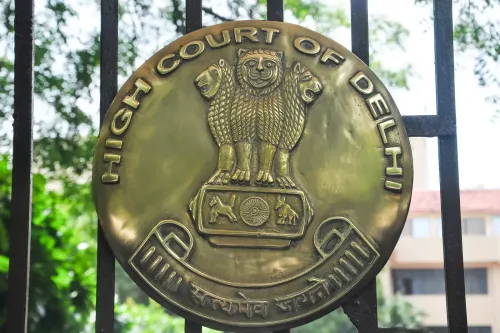
Delhi HC orders govt to frame body camera SOP for police, RAF in 6 months
Synopsis
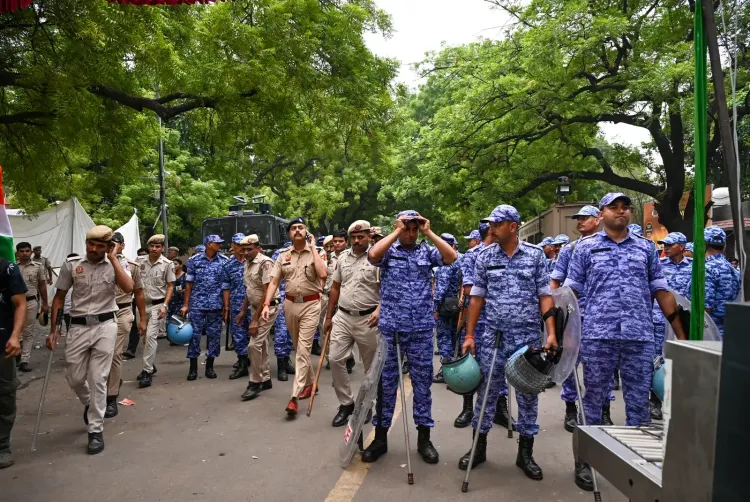
Delhi HC has given the Centre six months to frame a binding SOP on body-worn cameras for police and RAF personnel — a direct fallout of the July 2026 Jantar Mantar clashes. The catch: Delhi Police recognised this need as far back as January 2020 and has even floated a ₹7.4 crore tender, yet still operates without a mandatory-use or data-retention framework six years later.
Key Takeaways
The Delhi High Court on 7 October 2026 directed the Centre to decide within six months on an SOP for body-worn cameras for Delhi Police and RAF crowd-control personnel.
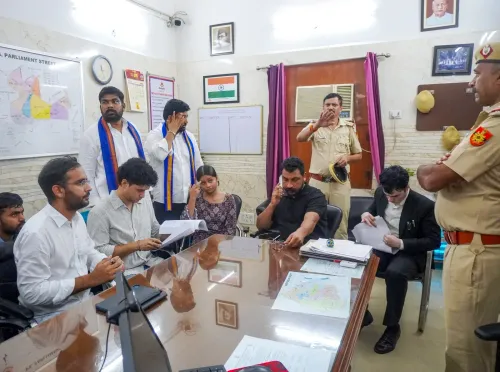
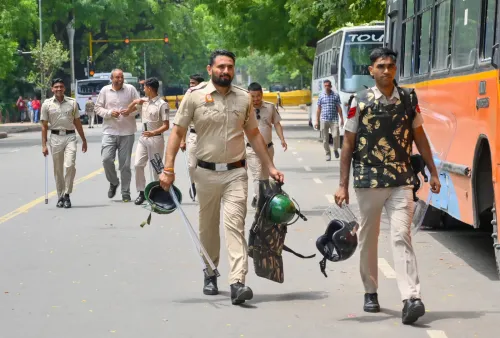
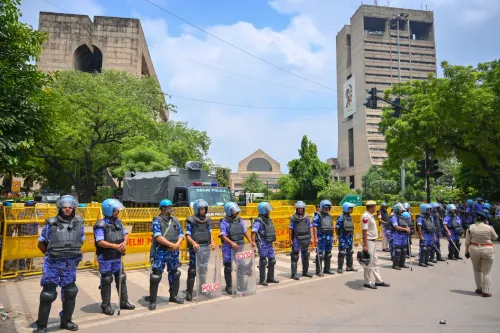
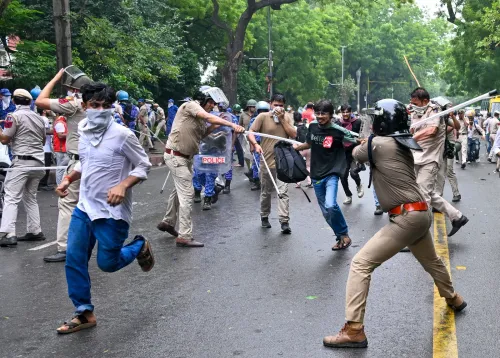
The PIL was filed by advocate Chahat Raghav after July 2026 clashes at Jantar Mantar involving the CJP and climate activist Sonam Wangchuk , which injured more than 50 police and paramilitary personnel alongside student protesters.
Delhi Police has floated a tender for 1,500 body-worn cameras worth approximately ₹7.4 crore ; CRPF has initiated procurement of 480 cameras for the RAF — yet no binding SOP governs their use.
The petition highlighted that Delhi Police recognised the need for body cameras as far back as January 2020 but has not enacted a mandatory regime.
The High Court disposed of the PIL after the Centre agreed to treat it as a representation and respond within six months.
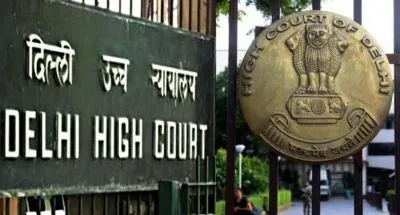
The Delhi High Court on 7 October 2026 directed the Centre to decide within six months on framing a standard operating procedure (SOP) for the mandatory use of body-worn cameras by Delhi Police and Rapid Action Force (RAF) personnel deployed on crowd-control and protest-management duties. The order came while disposing of a public interest litigation (PIL) that drew attention to an alleged regulatory gap exposed during the July 2026 protests at Jantar Mantar.
What the Court Directed
A bench of Acting Chief Justice Nitin Wasudeo Sambre and Justice Arun Bhardwaj directed the government to treat the PIL as a representation and communicate its decision on the SOP within six months. The PIL had been filed by advocate Chahat Raghav in the aftermath of clashes at Jantar Mantar involving the Cockroach Janata Party (CJP) and climate activist Sonam Wangchuk, which reportedly left student protesters and more than 50 police and paramilitary personnel injured.
Additional Solicitor General Chetan Sharma, appearing for the Centre, agreed that the petition could be treated as a representation and that a decision would be communicated within the stipulated period. He also noted that a representation to the concerned authorities was required before invoking PIL jurisdiction, citing a Supreme Court judgment and Delhi High Court rules.
The Case for Body-Worn Cameras
Senior advocate Akhil Sibal, appearing for the petitioner, argued that Delhi Police's existing framework relies on third-party videographers stationed at the periphery of crowds and falls short of providing a contemporaneous record of actions by personnel on the ground. He contended that body-worn cameras could meaningfully address both accountability for alleged police excesses and the identification of protesters who resort to violence.
'If technology is available, it can go a long way in fixing accountability whenever required. It is different from facial recognition where there are concerns of surveillance,' Sibal argued before the bench.
The petition pointed to what it described as a 'systemic vacuum': no existing rule, regulation, standing order or SOP mandates Delhi Police or RAF personnel to carry body-worn cameras during crowd-control deployments, nor is there a framework governing storage, integrity, retention or the evidentiary use of such footage.
Government's Position
The Centre submitted that guidelines for organising protests were already in place and that videography was covered under the existing framework — specifically Delhi Police Standing Order No. L&O/10/2022 on the regulation of rallies and processions. It maintained that the petitioner could separately seek a framing of a dedicated body-camera SOP through the representation route, which would then be considered in accordance with law.
Notably, the petition itself acknowledged that Delhi Police had recognised the need for body-worn cameras as far back as January 2020, yet had not converted that recognition into a binding regime in the intervening years.
Procurement Already Underway
The PIL revealed that procurement efforts are reportedly in motion even without a binding SOP. According to the petition, Delhi Police had floated a tender for 1,500 body-worn cameras at a total value of approximately ₹7.4 crore, while the Central Reserve Police Force (CRPF) had initiated procurement of 480 such cameras specifically for RAF units.
The gap between procurement and governance — buying equipment without a mandatory-use or data-retention framework — was central to the petitioner's argument that technology alone is insufficient without a binding legal architecture around it.
What Happens Next
With the High Court disposing of the PIL on the government's undertaking, the next milestone is the Centre's formal response within six months. If a draft SOP is framed, it would need to address always-on deployment requirements, tamper-proof data storage, chain-of-custody protocols, and rules governing the evidentiary admissibility of footage. Civil society groups and legal observers are likely to track whether the government meets the deadline or seeks an extension — a pattern seen in earlier accountability-linked PIL disposals.
Point of View
Not a mandate — and the government's track record on accountability-linked PIL undertakings warrants scepticism. Delhi Police acknowledged the need for body cameras in January 2020; six years later it is still at the tender stage with no binding framework. The procurement-without-governance gap is the real story: buying 1,500 cameras means little if there is no always-on requirement, no tamper-proof chain of custody, and no evidentiary regime. The July 2026 Jantar Mantar clashes made visible a structural hole that neither the police nor the Centre had been pressured to close until a PIL forced the issue.
NationPress
7 Oct 2026
Frequently Asked Questions
What did the Delhi High Court order regarding body cameras for police?
The Delhi High Court directed the Centre on 7 October 2026 to decide within six months on framing a standard operating procedure (SOP) for the mandatory use of body-worn cameras by Delhi Police and RAF personnel during crowd-control and protest-management operations. The court disposed of the PIL after the government agreed to treat it as a representation.
Why was the PIL filed, and what triggered it?
Advocate Chahat Raghav filed the PIL following the July 2026 clashes at Jantar Mantar involving the Cockroach Janata Party and climate activist Sonam Wangchuk. The incidents saw allegations of disproportionate use of force by police as well as allegations of violence by some protesters; more than 50 police and paramilitary personnel were injured alongside student demonstrators.
What is the 'systemic vacuum' the petition referred to?
The petition argued that no existing rule, regulation, standing order or SOP requires Delhi Police or RAF personnel to wear body cameras during crowd-control duties, nor is there any framework governing storage, data integrity, retention or evidentiary use of footage. This gap persists even though Delhi Police reportedly recognised the need for body cameras as far back as January 2020.
Are Delhi Police and the CRPF already procuring body-worn cameras?
According to the petition, Delhi Police had floated a tender for 1,500 body-worn cameras valued at approximately ₹7.4 crore, while the CRPF had initiated procurement of 480 cameras for the RAF. However, procurement without a binding mandatory-use and data-retention SOP was central to the petitioner's concern.
What happens if the government does not frame the SOP within six months?
The High Court has disposed of the PIL on the government's undertaking to communicate a decision within six months. If no decision is forthcoming, the petitioner or other parties could return to court — either by reviving the matter or filing a fresh petition — to seek compliance or contempt action.