SC examines pellet gun use on protesters, orders Delhi to treat injured
Synopsis
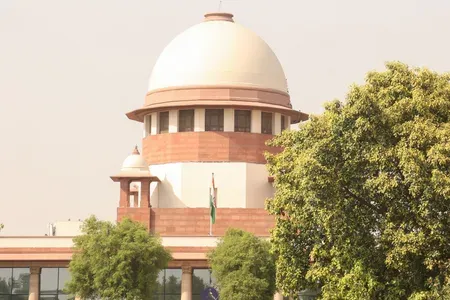
The Supreme Court has declined to fast-track a blanket ban on metallic pellet guns, instead signalling it may lay down a protocol governing their use — a nuanced but potentially far-reaching intervention. With the Delhi government now directed to treat injured protesters and RAF deployment records ordered to be preserved, the July 20 'Sansad Chalo' crackdown is squarely under judicial scrutiny.
Key Takeaways
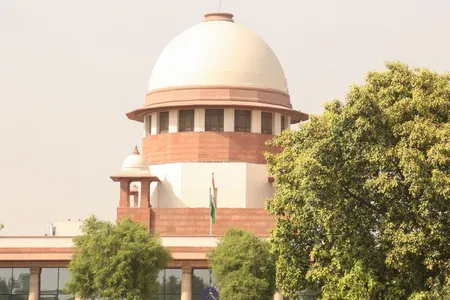
The Supreme Court on 30 July directed the Delhi government to provide medical treatment to those injured in the July 20 'Sansad Chalo' protests at Jantar Mantar .
The bench, led by CJI Surya Kant , asked petitioners to amend their plea to specifically challenge police regulations permitting pellet gun use in exceptional circumstances.
The court indicated it may lay down a protocol governing pellet gun use rather than issue a blanket ban.
Petitioner Yashovardhan Azad , former IB Special Director , and two allegedly injured individuals filed the plea challenging use of metallic kinetic projectiles on civilian assemblies.
The Rapid Action Force (RAF) deployment records, weapon logs, and ammunition registers from 20 July are to be preserved on orders of the apex court.
Solicitor General Tushar Mehta agreed to preserve relevant records; the Centre maintained that on-ground forces acted based on the prevailing situation.
The Supreme Court of India on Thursday, 30 July directed the Delhi government to ensure medical treatment for individuals injured during the July 20 'Sansad Chalo' student protests at Jantar Mantar, while simultaneously asking petitioners seeking a blanket ban on metallic pellet guns to first challenge the police regulations that permit their use in exceptional circumstances. The case has brought renewed scrutiny to the use of kinetic projectile weapons against civilian assemblies in the national capital.
What the Court Heard
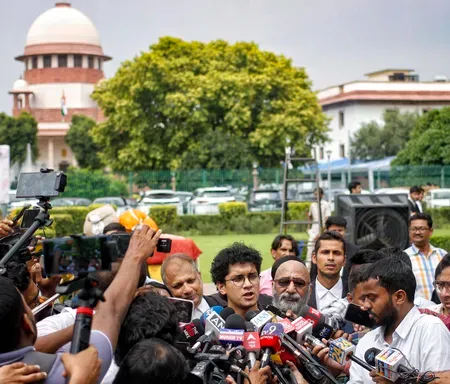
A bench comprising Chief Justice of India (CJI) Surya Kant, Justice Joymalya Bagchi, and Justice V. Mohana was hearing a petition filed by Yashovardhan Azad, former Special Director of the Intelligence Bureau (IB) and former Central Information Commissioner, along with two individuals who allegedly sustained pellet injuries at the protest. Advocate Vrinda Grover, representing the petitioners, clarified that the plea specifically concerned metallic pellets fired from pump-action rifles or projectile action guns — not rubber or plastic variants — which had allegedly been recovered from the bodies of two of the injured petitioners.
Court's Key Observations
Justice Bagchi noted that existing police regulations permit pellet guns as part of a graded response in exceptional circumstances, and told the petitioners their prayer for a blanket ban was 'vague' unless the validity of those regulations was directly challenged. 'We are not averse to examining use of pellets in an individual use. But you must show us if under the graded response use of pellets can be allowed,' Justice Bagchi observed.
The bench indicated that rather than an absolute prohibition, the petitioners could seek the court to lay down a protocol governing pellet gun use in light of allegations of excessive force. 'In light of alleged excessive use, your prayer should be that the Court lays down a protocol regarding the use,' the CJI Kant-led bench observed. The court also affirmed that peaceful protests should not be met with violence and stressed the need for a proportionate law enforcement response.
Government's Stand
Solicitor General Tushar Mehta, appearing for the Centre, submitted that police personnel deployed at the protest site were equipped with protective gear and that on-ground forces had to make decisions based on the situation prevailing at the time. Grover separately told the bench that she could find no standing order of the Delhi Police explicitly permitting pellet gun use, and urged the Centre to place any such order on record.
Notably, Justice Bagchi referenced an earlier case involving police regulations in Kolkata, where a rule prescribing where bullets should be fired had been struck down, signalling that the court could apply similar scrutiny here if the regulations are found to be arbitrary.
Medical Treatment and Record Preservation
The petitioners also raised concerns about the medical care of the injured. Grover submitted that while one petitioner was receiving adequate treatment, the medical records of another had not been released by the hospital. The apex court asked SG Mehta to look into the matter. In its interim direction, the bench ordered: 'Government of Delhi shall provide medical treatment to the injured petitioner or other similarly placed individuals.'
Grover further sought preservation of duty logs, weapon and ammunition registers, and records relating to the deployment of the Rapid Action Force (RAF) in New Delhi on 20 July, particularly those concerning pellet gun use. SG Mehta agreed to the preservation of relevant records, and the bench directed him to ensure compliance.
Background and Constitutional Challenge
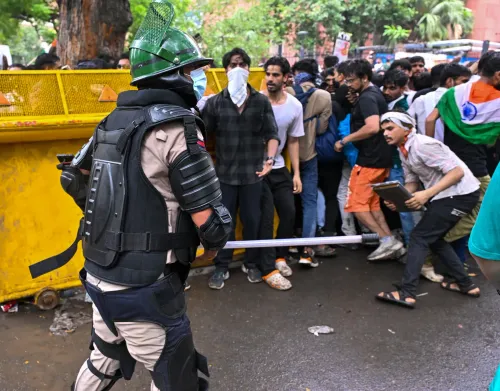
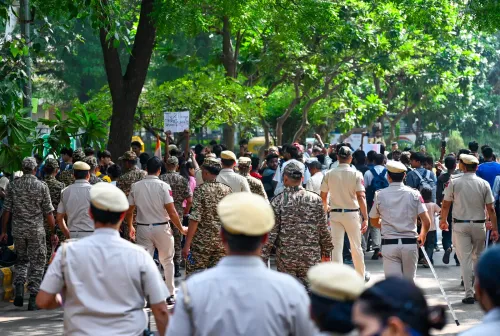
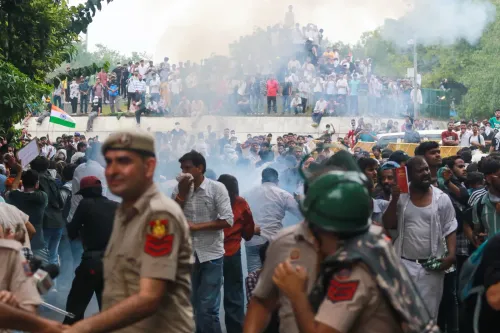
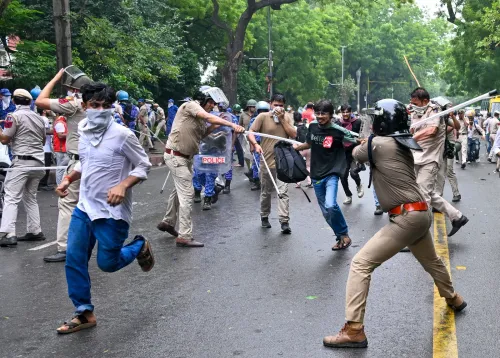
The petition contends that the Rapid Action Force deployed pellet guns against protesters who had gathered at Jantar Mantar for the 'Sansad Chalo' march, with pellets allegedly penetrating the bodies of at least two individuals who required medical intervention. The petitioners argue that using such weapons against a peaceful civilian gathering is disproportionate and violates constitutional protections relating to life, liberty, and peaceful assembly. They have also sought compensation for all persons injured by pellets during the July 20 protest. The matter is expected to be heard again after the petitioners amend their plea to specifically challenge the relevant police regulations.
Point of View
The court is doing what Indian constitutional jurisprudence does best: threading the needle between executive discretion and fundamental rights. The deeper issue, however, is institutional: if no standing Delhi Police order explicitly authorises pellet gun use, as the petitioners allege, then the RAF's July 20 deployment may have operated in a regulatory vacuum — a more damning finding than any blanket ban could produce. Mainstream coverage has focused on the ban question; the record-preservation order and the missing standing orders deserve equal scrutiny.
NationPress
13 Sept 2026
Frequently Asked Questions
What did the Supreme Court order regarding the July 20 protest injuries?
The Supreme Court directed the Delhi government to provide medical treatment to those injured during the July 20 'Sansad Chalo' protest at Jantar Mantar. The order covers the injured petitioners and 'other similarly placed individuals.'
Why did the court not immediately ban metallic pellet guns?
The court found the petitioners' prayer for a blanket ban 'vague' because it did not directly challenge the police regulations that permit pellet gun use as part of a graded response in exceptional circumstances. The bench asked petitioners to amend their plea to specifically target those regulations.
What is the 'Sansad Chalo' protest and who was injured?
The 'Sansad Chalo' march was a student protest held at Jantar Mantar in New Delhi on 20 July. According to the petition, the Rapid Action Force deployed pellet guns against the gathering, with metallic pellets allegedly penetrating the bodies of at least two individuals who required medical intervention.
Who filed the petition in the Supreme Court?
The petition was filed by Yashovardhan Azad, a former Special Director of the Intelligence Bureau and former Central Information Commissioner, along with two individuals who allegedly sustained pellet injuries at the protest. Advocate Vrinda Grover appeared for the petitioners.
What happens next in the case?
The petitioners are required to amend their plea to specifically challenge the police regulations permitting pellet gun use in exceptional circumstances. The court has also ordered preservation of RAF deployment records, weapon logs, and ammunition registers from 20 July, and the matter will be heard again after the amendment is filed.