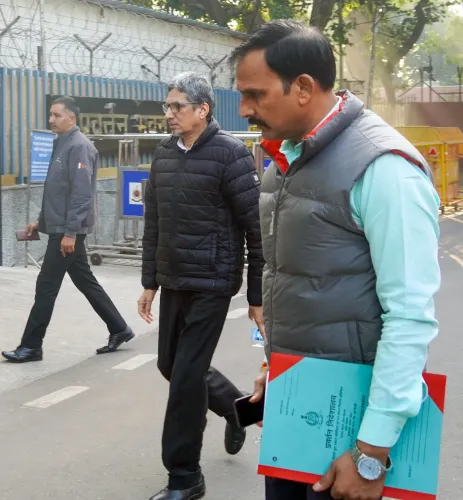
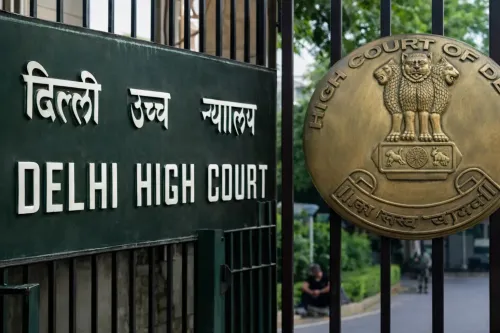
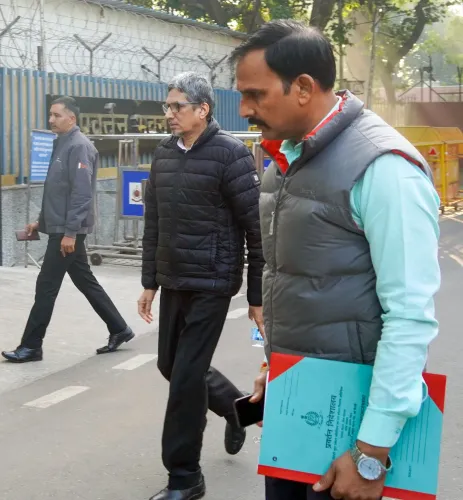
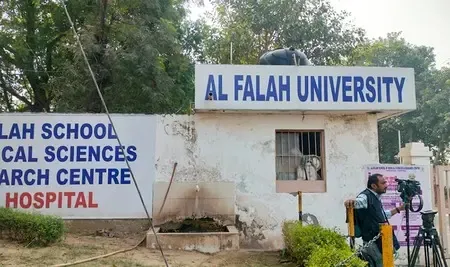
Delhi HC denies interim bail to Jawad Siddiqui in Al-Falah Trust money laundering case

Synopsis
The Delhi High Court refused interim bail to Al-Falah Trust money laundering accused Jawad Siddiqui despite his wife's Stage-IV cancer diagnosis, citing flight risk and the absence of a medical emergency. Instead, it granted him three days of tightly supervised custody parole — a narrow humanitarian concession that underscores how strictly courts apply PMLA's bail threshold even in sympathetic circumstances.
Key Takeaways
Delhi High Court on 15 July 2025 denied six weeks' interim bail to Jawad Ahmad Siddiqui in the Al-Falah Trust PMLA case .
Justice Saurabh Banerjee held that no emergent or exceptional circumstance warranted temporary release under the Prevention of Money Laundering Act (PMLA) .
The court granted three-day custody parole on 21, 23, and 25 July to meet his wife Usma Akhtar at their Jamia Nagar residence, 10 am–4 pm each day.
The ED alleges proceeds of crime worth ₹493.24 crore were generated between 2016-17 and 2024-25 through entities linked to Siddiqui.
Attached assets include ₹39.45 crore in personal and trust holdings, plus university land and buildings worth over ₹144 crore .
Siddiqui's regular bail applications are listed for hearing on 29 and 30 July .
The Delhi High Court on 15 July 2025 refused to grant interim bail to Jawad Ahmad Siddiqui, an accused in the Al-Falah Trust money laundering case, who had sought temporary release to care for his wife undergoing treatment for Stage-IV ovarian cancer. While declining the six-week relief, the court permitted him three days of custody parole to visit her at their residence.
What the Court Decided
A single-judge bench of Justice Saurabh Banerjee rejected Siddiqui's plea for six weeks' interim bail under the Prevention of Money Laundering Act (PMLA), holding that no emergent or exceptional circumstance had been established to justify temporary release. The court stated: 'Though this court is sympathetic towards the medical condition of the applicant's wife, however, considering the gravity and nature of the allegations levelled against the applicant... the statutory rigours governing grant of bail cannot be diluted merely on humanitarian considerations, more so, in the absence of any emergent and/or exceptional circumstance warranting the applicant's immediate release.'
The bench also noted that Siddiqui 'may be a flight risk and may be in a position to influence the witnesses and/or try to tamper with evidence.'
Custody Parole Granted on Humanitarian Grounds
Taking a measured humanitarian view, the court allowed Siddiqui custody parole on three specific dates — 21, 23, and 25 July — to meet his wife, Usma Akhtar, at their Jamia Nagar residence between 10 am and 4 pm. The Jail Superintendent was directed to make adequate security arrangements, given that Siddiqui is classified as a 'high-risk undertrial.' The court further clarified that during parole, he would only be permitted to meet his wife and 'be not allowed to meet and/or interact with any other person.'
Why the Court Rejected the Humanitarian Plea
Siddiqui had argued he was his wife's sole caregiver, but the court found the medical record did not establish that his presence was medically indispensable. Referring to the latest reports, the bench recorded that Usma Akhtar was suffering from 'Stage-IV Metastatic Ovarian Carcinoma-HRD Positive, MSI Stable,' but observed her condition appeared stable and responding to treatment.
'It appears to be a case wherein the condition of the wife is not deteriorating and is rather improving,' the court said, citing a PET-CT report that recorded a mild reduction in lesion size and described the disease as stable. It also noted she was on maintenance chemotherapy once every fortnight on a day-care basis — a schedule that did not constitute a medical emergency requiring his continuous presence. The court additionally observed that Siddiqui had not demonstrated the absence of alternative support from relatives residing nearby.
The Enforcement Directorate's Case
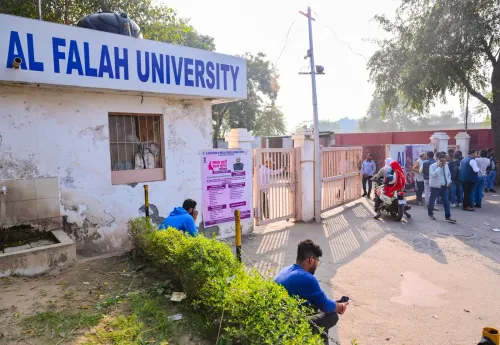
The Enforcement Directorate (ED) had opposed the bail plea, contending that Usma Akhtar's medical condition was stable, no emergency existed, and that Siddiqui posed a flight risk. The money laundering probe stems from multiple Delhi Police FIRs alleging cheating, forgery, and criminal conspiracy linked to the operations of Al-Falah University and its associated entities.
According to the ED, proceeds of crime worth ₹493.24 crore were generated between 2016-17 and 2024-25 and allegedly diverted through entities linked to Siddiqui and his family. Earlier this year, the agency attached assets worth ₹39.45 crore belonging to Al-Falah Charitable Trust and Siddiqui, in addition to university land and buildings valued at more than ₹144 crore.
What Comes Next
Siddiqui's regular bail applications are listed before the Delhi High Court on 29 and 30 July. The outcome of those hearings will be closely watched, as they will test whether the court's assessment of flight risk and evidence-tampering concerns holds when the full bail merits are argued. The interim bail applications arise from two separate money laundering cases under ED investigation.
Point of View
Fortnightly day-care chemotherapy, and unproven absence of alternative caregivers do not constitute the 'emergent and exceptional' bar the statute demands. What stands out is the custody parole compromise — three supervised visits rather than blanket denial — which signals judicial awareness that strict law and basic dignity need not be mutually exclusive. With regular bail hearings on 29–30 July, the real legal battle over flight risk and evidence-tampering begins now.
NationPress
14 Oct 2026
Frequently Asked Questions
Why did the Delhi High Court deny interim bail to Jawad Siddiqui?
The court denied interim bail because it found no emergent or exceptional circumstance to override the stringent bail conditions under the Prevention of Money Laundering Act (PMLA). Justice Saurabh Banerjee also noted Siddiqui may be a flight risk and could potentially influence witnesses or tamper with evidence.
What is the Al-Falah Trust money laundering case?
The case involves an Enforcement Directorate probe stemming from multiple Delhi Police FIRs alleging cheating, forgery, and criminal conspiracy linked to Al-Falah University and associated entities. The ED alleges that proceeds of crime worth ₹493.24 crore were generated between 2016-17 and 2024-25 and diverted through entities linked to Jawad Ahmad Siddiqui and his family.
What custody parole did the court grant Siddiqui?
The Delhi High Court allowed Siddiqui to visit his wife Usma Akhtar at their Jamia Nagar residence on 21, 23, and 25 July between 10 am and 4 pm, under adequate security supervision. He is classified as a high-risk undertrial and was barred from meeting or interacting with anyone other than his wife during these visits.
Why did the court reject Siddiqui's claim of being his wife's sole caregiver?
The court found that medical records did not establish his presence as medically indispensable, noting his wife's condition was stable and responding to treatment. A PET-CT report showed a mild reduction in lesion size, and her maintenance chemotherapy schedule — once a fortnight on a day-care basis — did not constitute a medical emergency requiring his continuous presence.
What happens next in the case?
Siddiqui's regular bail applications are listed before the Delhi High Court on 29 and 30 July 2025. Those hearings will address the full merits of bail, including the flight risk and evidence-tampering concerns flagged by the court in the interim bail order.