Delhi HC dismisses PIL seeking NIA probe into 'Sansad Chalo' Parliament march
Synopsis
The Delhi High Court shut down a PIL seeking an NIA probe into the 'Sansad Chalo' march, ruling that ordering such an investigation is the Central government's call — not the court's. The decision underscores a critical statutory boundary: courts cannot substitute their judgement for the executive's under the NIA Act, even in cases alleging a security breach near Parliament.
Key Takeaways
The Delhi High Court on 24 July allowed withdrawal of a PIL seeking an NIA probe into the July 20 'Sansad Chalo' protest over the alleged NEET paper leak .
A bench of Chief Justice D.K.
Upadhyaya and Justice Tejas Karia ruled that invoking NIA jurisdiction is the Central government's prerogative under Section 6 of the NIA Act, 2008 .
The court noted that an FIR must first be registered and routed through prescribed channels before any NIA referral can be made.
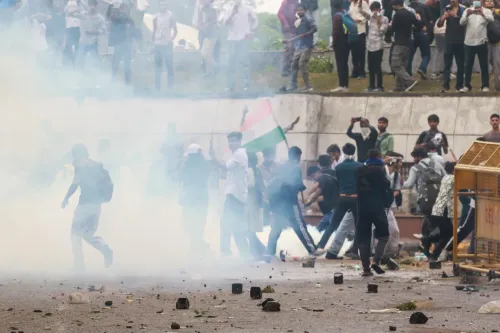
Petitioner Satish Kumar Aggarwal , ex-Vice President of the Akhil Bharat Hindu Mahasabha , alleged the march involved property damage, journalist assaults, and a bid to breach Parliament House security.
Solicitor General Tushar Mehta appeared for the Centre; the court declined to issue a police status report, noting FIRs had been filed only days earlier.
Aggarwal retains liberty to approach the Central government or other authorities directly for a specialised-agency probe.
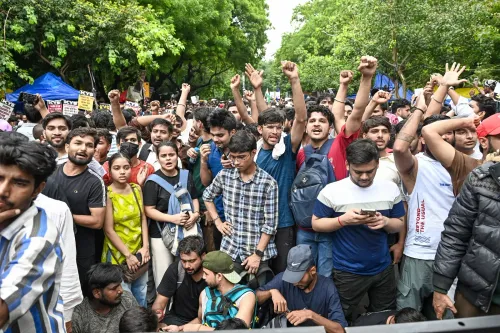
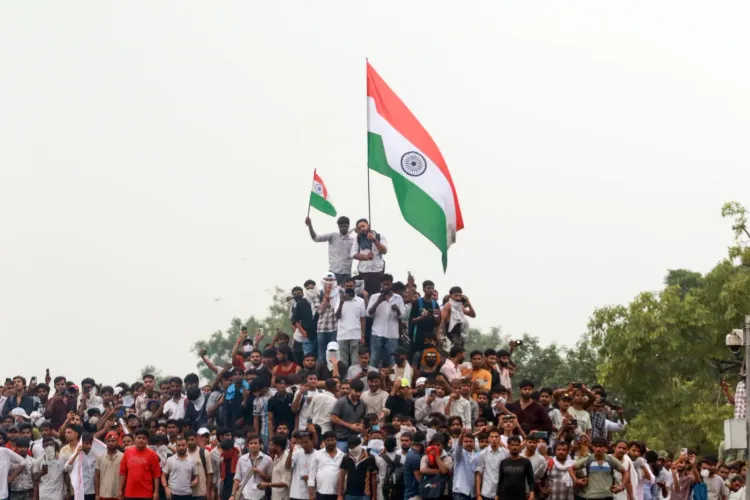
The Delhi High Court on Friday, 24 July allowed the withdrawal of a Public Interest Litigation (PIL) that sought a direction to the National Investigation Agency (NIA) to probe an alleged security breach near Parliament during the July 20 'Sansad Chalo' protest over the alleged NEET paper leak. The court made clear that the statutory framework under the NIA Act, 2008 places the decision to order an NIA investigation squarely with the Central government, not the judiciary.
What the Court Ruled
A Division Bench of Chief Justice D.K. Upadhyaya and Justice Tejas Karia permitted petitioner Satish Kumar Aggarwal to withdraw the plea, granting him liberty to pursue other legal remedies, including approaching the relevant authorities directly. The bench formally dismissed the writ petition as withdrawn.
'Learned counsel for the petitioner states that the petitioner will be constrained to withdraw the petition, with liberty to take recourse to any other legal remedy which may be available to him under law, including the remedy of approaching the authorities concerned. Accordingly, the writ petition is dismissed as withdrawn with liberty as prayed,' the bench ordered.
Key Legal Observations
Throughout the hearing, the court repeatedly stressed that the NIA is an investigating agency, not an inquiry body, and that its jurisdiction can only be invoked through the procedure prescribed under Section 6 of the NIA Act. An FIR must first be registered, after which the concerned officer forwards the report through the prescribed channel before the Central government decides whether the case merits NIA involvement.
'Tell us what is the statutory mechanism for invoking NIA jurisdiction... NIA is not an inquiry agency. It is an investigation agency... There has to be an FIR. Thereafter the whole procedure is prescribed. How can you ask us to first get an inquiry conducted and then ask them to conduct an investigation by the NIA?' the bench orally observed.
The court also declined the petitioner's request for a police status report, noting that FIRs had been registered only days earlier and that authorities were already seized of the matter.
What the Petitioner Argued
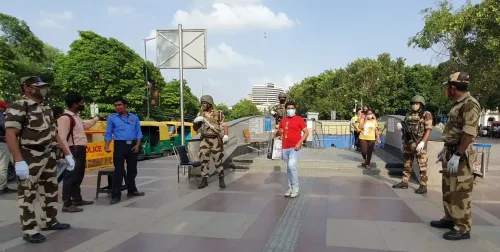
Appearing for the petitioner, advocate Barun Kumar Sinha contended that the 'gravity of offence and other relevant factors' under Section 6(3) of the NIA Act warranted investigation by a specialised agency. He submitted that roads had been blocked, Metro stations closed, and fundamental rights violated during the protest.
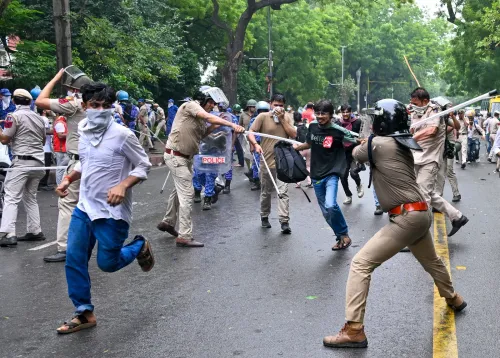
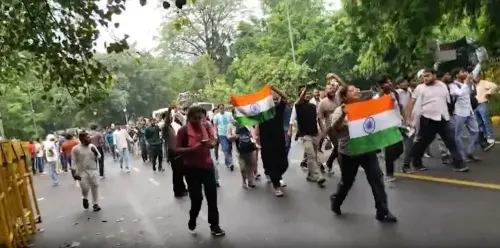
The PIL, filed by Aggarwal — a former Vice President of the Akhil Bharat Hindu Mahasabha — alleged that the July 20 march involved obstruction of public movement, damage to public and private property, assaults on journalists, attempts to breach security near Parliament House, and injuries to police personnel. The petition further alleged that the participation of political leaders and certain organisations raised concerns about whether organised or external elements were involved in activities prejudicial to public order and national security.
Centre's Position
Solicitor General Tushar Mehta, appearing for the Centre, submitted that if the petitioner sought investigation by any other specialised agency, notice could be issued. However, the bench reiterated that the choice of investigating agency rests with competent authorities under the law, not with the court.
What Happens Next
With the PIL withdrawn, Aggarwal retains the option of approaching the Central government or other relevant authorities directly to seek an NIA or specialised-agency probe. The matter now returns to the executive domain, where the NIA Act places it. The broader NEET paper leak controversy and the events of July 20 continue to be a flashpoint in national politics, with multiple investigations reportedly under way.
Point of View
But it exposes a practical gap: citizens alleging organised violence near Parliament have no direct judicial route to compel an NIA probe. The bench was right that Section 6 of the NIA Act places that call with the Centre — but that also means accountability for the decision, or the absence of one, rests entirely with the executive. With the NEET controversy still live and the July 20 events contested across party lines, the Central government's next move on whether to refer the case to a specialised agency will be watched closely. The court's restraint here is constitutionally sound; whether the executive fills the vacuum is a political question with real public-order stakes.
NationPress
23 Oct 2026
Frequently Asked Questions
Why did the Delhi High Court dismiss the PIL seeking an NIA probe into the 'Sansad Chalo' protest?
The Delhi High Court dismissed the PIL because, under Section 6 of the NIA Act, 2008, the decision to refer a case to the NIA rests exclusively with the Central government — not the judiciary. The court held it could not substitute its satisfaction for that of the executive in determining whether a case merits NIA investigation.
What was the 'Sansad Chalo' protest about?
The 'Sansad Chalo' march on July 20 was organised over the alleged NEET paper leak. The PIL alleged that the protest turned disruptive, involving obstruction of public movement, damage to property, assaults on journalists, and an attempt to breach security near Parliament House.
Who filed the PIL and what did it seek?
The PIL was filed by Satish Kumar Aggarwal, a former Vice President of the Akhil Bharat Hindu Mahasabha. It sought registration of an FIR, a comprehensive investigation into the July 20 protest, and, if warranted, transfer of the probe to the NIA or another specialised agency.
What legal procedure must be followed before the NIA can investigate a case?
Under Section 6 of the NIA Act, 2008, an FIR must first be registered. The concerned officer then forwards the report through prescribed channels to the Central government, which alone decides whether the case should be handed to the NIA for investigation.
What options does the petitioner have after the PIL withdrawal?
The Delhi High Court granted Aggarwal liberty to pursue other legal remedies, including approaching the Central government or other relevant authorities directly to seek an NIA or specialised-agency probe into the July 20 events.