Did Delhi HC Favor Saregama in a Case Against Ilaiyaraaja?
Synopsis
The Delhi High Court has granted an ex-parte interim order in favor of Saregama India Limited, effectively blocking renowned composer Ilaiyaraaja from using specific sound recordings and musical works. This pivotal ruling has significant implications for copyright ownership in the music industry.
Key Takeaways
Delhi High Court issues an ex-parte injunction in favor of Saregama .
Ilaiyaraaja is restrained from exploiting certain sound recordings.
The ruling emphasizes the importance of copyright protection in the music industry.
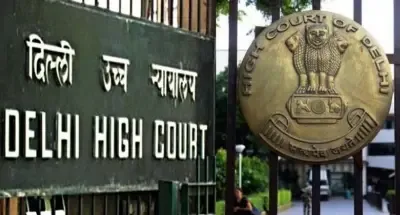
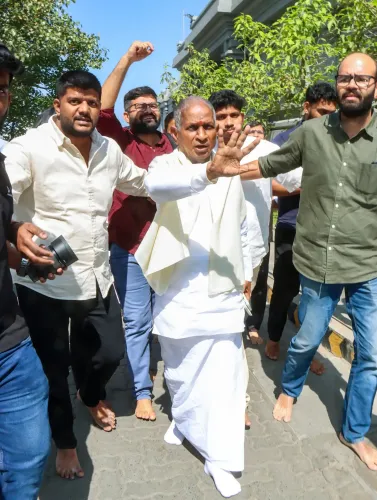
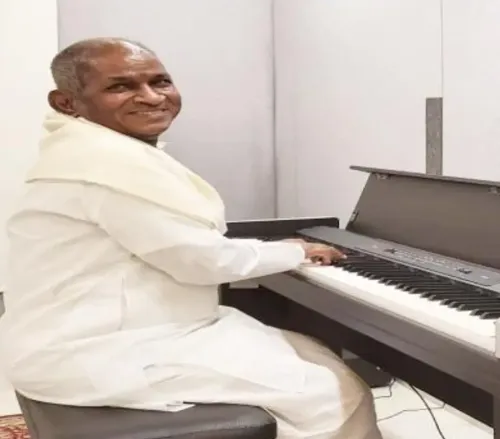
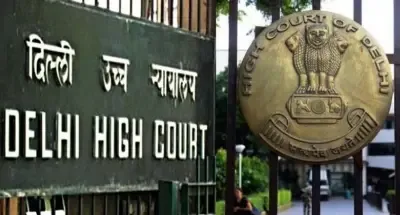
New Delhi, Feb 16 (NationPress) The Delhi High Court has issued an ex-parte ad-interim injunction favoring Saregama India Limited in a copyright infringement case against esteemed music composer Ilaiyaraaja. This order prohibits him from utilizing specific sound recordings and musical works related to cinematographic films that the company claims.
A single-judge bench led by Justice Tushar Rao Gedela was considering a commercial lawsuit presented by Saregama, aiming to prevent Ilaiyaraaja from granting unauthorized licenses to third parties and asserting ownership over works where the plaintiff holds exclusive copyright.
The court's order highlighted that Saregama, previously recognized as The Gramophone Company of India Limited, had entered into multiple assignment agreements between 1976 and 2001 with film producers, which transferred copyright of the sound recordings and literary works to the company.
The lawsuit indicated that the defendant was found to have uploaded certain works onto platforms such as Amazon Music, iTunes, and Jio Saavn in early February 2026, along with making ownership claims over said content.
Upon reviewing the assignment agreements and additional documentation, Justice Gedela remarked that “the material submitted, including the assignment agreements that confer exclusive copyrights to the plaintiff regarding the sound recordings, musical, and literary works in the cinematographic films, alongside evident infringement of the plaintiff’s copyrighted works by the defendant, establishes a prima facie strong case for the plaintiff.”
Furthermore, the Delhi High Court ruled that “the balance of convenience seems to favor the plaintiff and against the defendant” and that “the potential for irreparable loss and harm to the plaintiff due to the defendant's alleged infringement cannot be sufficiently compensated monetarily if the ex-parte ad-interim injunction is not issued.”
Citing Section 17(b) and (c) of the Copyright Act, 1957, the plaintiff argued that a film producer is typically the initial copyright owner of works incorporated within a cinematographic film unless a contrary contract exists with the composer or lyricist.
In its operative directives, the Delhi High Court restricted the defendant, along with his partners, licensees, assigns, agents, or anyone acting on his behalf from “exploiting/using/issuing licenses for the plaintiff’s Copyrighted Works, specifically the sound recordings and literary and musical works included in the cinematographic films listed in Annexure A… or making any ownership claims to third parties or issuing any licenses for exploitation concerning the plaintiff’s Copyrighted Works.”
The lawsuit encompasses a catalog of over 130 cinematographic films across various languages, including Tamil, Telugu, Malayalam, Kannada, and Hindi films specified in Annexure A of the order.
The court mandated the defendant to submit a reply to the interim application within four weeks of receiving it, with any rejoinder to be filed within another two weeks. Justice Gedela also instructed compliance with Order XXXIX Rule 3 of the CPC within ten days. The matter is set for a hearing before the Joint Registrar (Judicial) on April 24, 2026, for service and pleadings completion, and before the Delhi High Court on April 2, 2026.
Point of View
The ruling by the Delhi High Court underscores the ongoing battle over copyright and ownership in the entertainment sector. It reflects the judiciary's commitment to uphold intellectual property rights, which is vital for fostering creativity and innovation in the industry.
NationPress
20 Oct 2026
Frequently Asked Questions
What was the basis of the Delhi HC's injunction?
The injunction was based on Saregama's claims of exclusive copyright ownership over specific sound recordings and musical works, supported by assignment agreements.
Who was the judge presiding over the case?
The case was presided over by Justice Tushar Rao Gedela.
How many cinematographic films are involved in the suit?
The lawsuit encompasses over 130 cinematographic films across multiple languages.