H1N1 cases surge in Delhi: Health Minister calls emergency meet
Synopsis
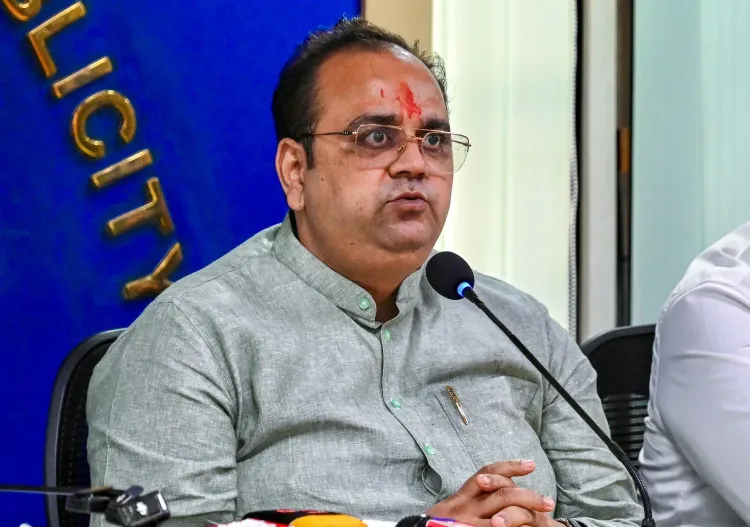
Delhi's 2026 swine flu tally has crossed 1,777 — with 114 cases in a single day on 20 August — prompting Health Minister Dr Pankaj Singh to call an emergency review of hospital readiness and surveillance. The meeting signals that authorities are treating this monsoon's disease burden as more than routine.
Key Takeaways
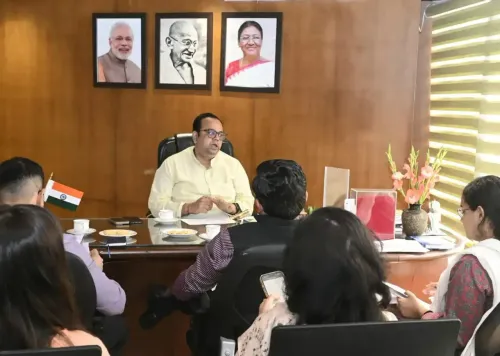
Delhi Health Minister Dr Pankaj Singh called a high-level meeting on 24 August 2026 at the Delhi Secretariat to review H1N1 and vector-borne disease preparedness.
Delhi recorded 114 H1N1 cases and 159 total influenza cases on a single day — 20 August 2026 .
Cumulative H1N1 tally in 2026 stands at 1,777 ; total influenza cases have reached 2,602 , including 2,392 Influenza A and 210 Influenza B .
Safdarjung Hospital confirmed it is fully equipped with medicines and treatment facilities for swine flu patients.
The review also covers dengue , malaria , and chikungunya amid heightened monsoon-season risk.
Seasonal influenza vaccination is recommended, particularly for older adults, young children, pregnant women, and those with underlying conditions.
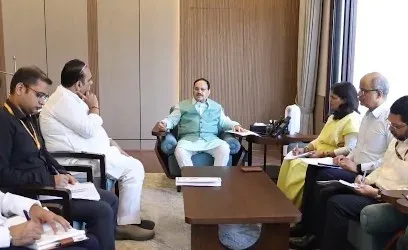
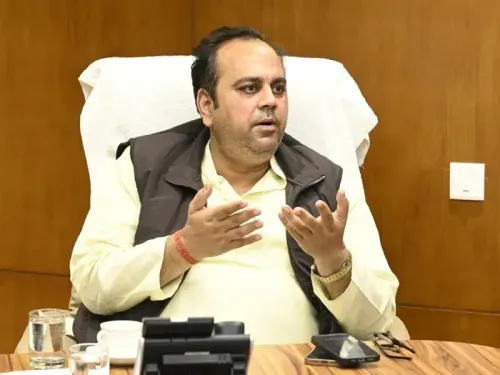
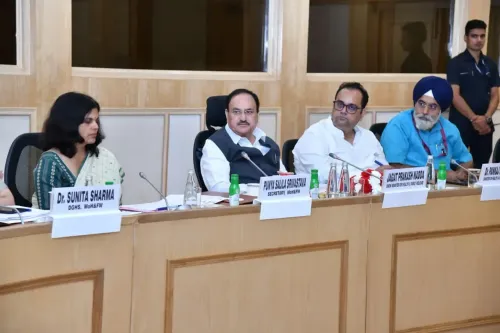
Delhi Health Minister Dr Pankaj Singh on Monday, 24 August 2026, convened a high-level meeting at the Delhi Secretariat to assess the capital's preparedness against rising H1N1 (swine flu) cases and a broader surge in vector-borne diseases. The meeting, scheduled for 2 pm, follows data showing 114 fresh H1N1 cases recorded on 20 August alone — pushing Delhi's cumulative swine flu tally for 2026 to 1,777.
Key Developments
Delhi has logged a total of 2,602 influenza cases in 2026, comprising 2,392 Influenza A cases and 210 Influenza B cases. Of the Influenza A count, 1,777 are confirmed H1N1. On 20 August, the city reported 159 fresh influenza cases in a single day, including four new Influenza B infections. The pace of daily additions has prompted the Health Department to treat the situation as a priority concern ahead of the peak monsoon period.
What the Meeting Is Expected to Cover
Senior officials of the Delhi Health Department are attending the review. Dr Pankaj Singh is expected to seek granular updates on disease spread across all districts and is likely to issue directions on strengthening field-level surveillance. Hospital preparedness, existing treatment capacity, and supply of medicines are also on the agenda. Discussions will cover not only swine flu but also dengue, malaria, and chikungunya — all of which typically spike during the monsoon months.
Hospital Readiness
Safdarjung Hospital stated it is fully equipped to manage H1N1 patients and those with other seasonal illnesses, confirming that necessary medicines, treatment facilities, and supportive care are in place. The hospital's statement is intended to reassure residents amid the uptick in cases, though health authorities have not yet declared a public health alert.
Understanding H1N1 and Who Is at Risk
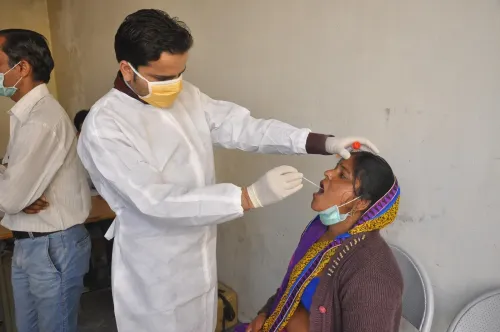
H1N1 is a subtype of the Influenza A virus that gained global attention during the 2009 pandemic and has since circulated as a seasonal strain. Symptoms include fever, cough, sore throat, body aches, fatigue, and a blocked or runny nose — most patients recover within a week. However, complications can be severe for older adults, young children, pregnant women, and individuals with underlying health conditions. Difficulty breathing, persistent high fever, chest discomfort, or a worsening condition warrant immediate medical attention. The virus spreads through respiratory droplets; hand hygiene, covering coughs, and avoiding close contact with symptomatic individuals are the primary defences. Seasonal influenza vaccination remains an important preventive tool, especially for high-risk groups.
With monsoon conditions persisting across the capital, health authorities are expected to intensify community-level surveillance in the coming days.
Point of View
777 H1N1 cases by late August — with over a hundred in a single day — is a signal that this monsoon's disease burden is running ahead of recent years, yet the government's response so far is a review meeting rather than a public advisory. The gap between case velocity and official communication deserves scrutiny. Safdarjung's reassurance on bed and medicine availability is necessary but not sufficient; the city's primary health centres and fever clinics are the real first line of defence, and their capacity has historically been the weak link. If surveillance data is flowing in fast enough to prompt a ministerial meeting, it should also be published in real time so residents can make informed decisions.
NationPress
24 Aug 2026
Frequently Asked Questions
How many H1N1 cases have been reported in Delhi in 2026?
Delhi has recorded 1,777 confirmed H1N1 cases as of 20 August 2026, with 114 of those reported on that single day. The city's overall influenza tally for the year stands at 2,602 cases, including 2,392 Influenza A and 210 Influenza B infections.
Why did Delhi's Health Minister call an emergency meeting on 24 August?
Health Minister Dr Pankaj Singh convened the high-level meeting to review the government's preparedness against a rising tide of H1N1 and vector-borne diseases during the monsoon season. The meeting is expected to address hospital readiness, surveillance systems, and field-level response capacity.
Is Safdarjung Hospital equipped to handle swine flu patients?
Yes. Safdarjung Hospital has confirmed it is fully equipped to manage H1N1 and other seasonal illness patients, with necessary medicines, treatment facilities, and supportive care available.
What are the symptoms of H1N1 swine flu and who is most at risk?
H1N1 symptoms include fever, cough, sore throat, body aches, fatigue, and a runny or blocked nose; most people recover within a week. Older adults, young children, pregnant women, and those with underlying health conditions face a higher risk of serious complications such as severe respiratory distress.
How can residents protect themselves from swine flu in Delhi?
Key preventive steps include regular hand-washing, covering coughs and sneezes, and avoiding close contact with symptomatic individuals. Seasonal influenza vaccination is especially recommended for high-risk groups. Anyone experiencing persistent high fever, breathing difficulty, or chest discomfort should seek medical attention promptly.