Delhi-NCR heatwave: IMD issues orange alert, 46°C forecast for May 22

Synopsis
Delhi-NCR's heatwave has crossed into record territory — the city just logged its warmest May night in 14 years, peak power demand has breached 7,700 MW, and the IMD sees no relief before 26 May. With Banda hitting 48°C and an orange alert now in force, this is northern India's most intense pre-monsoon heat event in over a decade.
Key Takeaways
The IMD has issued an orange alert for Delhi-NCR , upgraded from yellow on Wednesday , valid for five days.
Delhi's maximum temperature is forecast to touch 46°C on 22 May , with daytime highs above 43°C through the week.
Delhi recorded its warmest May night in nearly 14 years on Thursday, with the minimum temperature at 31.9°C .
Uttar Pradesh's Banda logged the country's highest temperature at 48°C on Wednesday.
Peak power demand in Delhi has crossed 7,700 MW this season, with officials warning of further rises.
Heatwave conditions are forecast to persist until at least 26 May ; children , elderly , and outdoor workers are most at risk.
The India Meteorological Department (IMD) has issued an orange alert for Delhi-NCR as a severe heatwave grips the national capital, with the maximum temperature forecast to touch 46 degrees Celsius on 22 May and daytime highs expected to stay above 43°C through the week. The warning, upgraded from a yellow alert on Wednesday, covers the next five days and flags heightened risk of heat-related illness across vulnerable groups.
How Bad the Heat Has Become
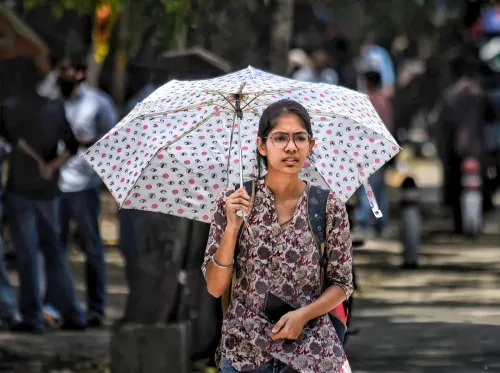
Residents across Delhi-NCR have reported a dramatic shift in conditions over the past four to five days. A jogger described the change: 'The heat has increased significantly compared to earlier days. The weather used to be pleasant in the morning, but over the last four to five days, the temperature has risen sharply. It remains manageable till around 8 or 9 a.m., after which the heat intensifies and continues till nearly 4 p.m., with temperatures touching 44–45 degrees Celsius.'
Another morning walker noted that exercise routines have been pushed back by an hour: 'Earlier, we used to go for a run at 6 a.m., but now we have to start at 5 a.m. because by 6 a.m. the conditions become extremely uncomfortable due to the rising temperature.'
Record Warm Nights and Regional Extremes
Delhi recorded its warmest May night in nearly 14 years on Thursday, with the minimum temperature settling at 31.9 degrees Celsius. According to IMD data, the last time the city logged a higher minimum temperature in May was on 26 May 2012, when it stood at 32.5°C. Unusually warm nights compound heat stress, leaving residents with little overnight recovery from daytime extremes.
Across northern India, Uttar Pradesh's Banda recorded the country's highest temperature at 48 degrees Celsius on Wednesday. The IMD has also warned that Delhi, along with Punjab, Haryana, and Chandigarh, is likely to face severe heatwave conditions accompanied by strong surface winds during afternoon and evening hours.
Power Demand Surges, Air Quality Worsens
The intense heat has driven a sharp rise in electricity consumption across Delhi. Peak power demand has already crossed 7,700 MW this season, and officials have warned it could climb further if the heatwave persists. This comes amid Delhi's air quality remaining in the 'poor' category, with AQI readings recorded at Anand Vihar (282), Aya Nagar (240), Bawana (232), Narela (253), Okhla Phase-2 (249), and Pusa (251), among other monitoring stations.
Who Is Most at Risk and What Authorities Advise
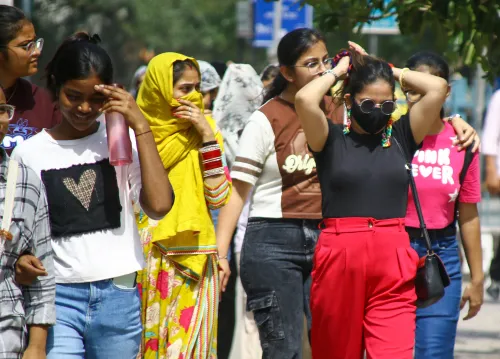
The IMD's orange alert specifically warns of elevated risk for children, elderly citizens, outdoor workers, and individuals with pre-existing medical conditions. Authorities have advised residents to avoid stepping outdoors during peak afternoon hours, stay hydrated, and wear light clothing to guard against dehydration and heatstroke.
No immediate relief is in sight: the IMD has forecast that heatwave conditions may continue until at least 26 May. The prolonged spell underscores a broader pattern of intensifying pre-monsoon heat across the Indo-Gangetic Plain in recent years.
Point of View
Compounding daytime stress on the body and the grid. The 7,700 MW power demand figure is particularly telling: it points to a city that is air-conditioning its way through a crisis its infrastructure was not designed for. With the monsoon still weeks away and the IMD offering no relief until 26 May, the public health system — not just the weather department — should be on high alert.
NationPress
5 Oct 2026
Frequently Asked Questions
What does the IMD orange alert for Delhi mean?
An orange alert from the IMD advises residents to stay prepared and take precautions, as severe weather conditions are likely to disrupt daily life. It specifically warns of an increased risk of heat-related illnesses for children, elderly people, outdoor workers, and those with existing medical conditions.
How high will temperatures go in Delhi this week?
According to the IMD, Delhi's maximum temperature may touch 46 degrees Celsius on 22 May, with daytime highs expected to remain above 43°C throughout the week. The heatwave is forecast to continue until at least 26 May.
Why is Delhi's night temperature significant this year?
Delhi recorded a minimum temperature of 31.9°C on Thursday — its warmest May night in nearly 14 years. The last higher May minimum was 32.5°C on 26 May 2012, according to IMD data. Warm nights reduce the body's ability to recover from daytime heat, raising health risks.
Which parts of India are worst affected by the current heatwave?
Northern India is bearing the brunt, with Uttar Pradesh's Banda recording the country's highest temperature at 48°C on Wednesday. Delhi, Punjab, Haryana, and Chandigarh are all under IMD heatwave warnings, with strong surface winds expected during afternoon and evening hours.
What precautions should Delhi residents take during the heatwave?
Authorities advise avoiding outdoor exposure during peak afternoon hours, staying well-hydrated, and wearing light clothing. Special caution is recommended for children, elderly citizens, and people with pre-existing health conditions, who face the highest risk of dehydration and heatstroke.