Delhi-NCR heatwave: IMD warns of 45°C peak, yellow alert till May 20

Synopsis
Delhi-NCR is heading into one of its sharpest heat spells of the season, with the IMD warning of temperatures between 42 and 45°C through 23 May and a yellow alert already in place. With air quality in the 'poor' range at multiple stations and vulnerable populations at elevated risk, the capital is facing a compounding public health challenge.
Key Takeaways
IMD has forecast severe heatwave conditions in Delhi-NCR through 23 May , with temperatures expected between 42 and 45 degrees Celsius .
A yellow alert has been issued for 19 and 20 May , urging residents to avoid outdoor exposure during peak hours.
A severe heatwave is declared when temperatures exceed the seasonal average by more than 6.4°C or cross 45°C .
States including Rajasthan , Uttar Pradesh , Madhya Pradesh , Punjab , and Haryana are also under heatwave watch.
Delhi AQI is in the 'poor' category at multiple stations, with Anand Vihar recording 239 and Dwarka-Sector 8 at 222 .
Health experts advise staying hydrated, wearing light clothing, and avoiding direct sun between noon and 4 pm .
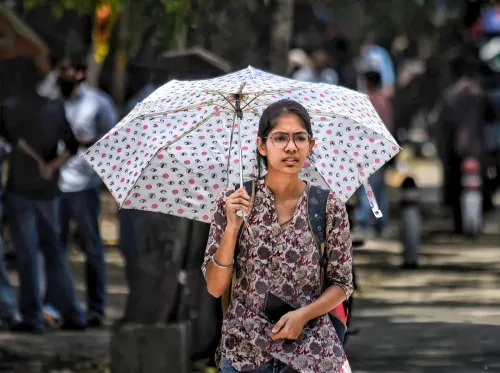
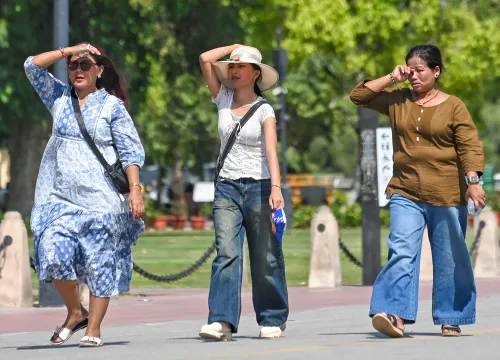
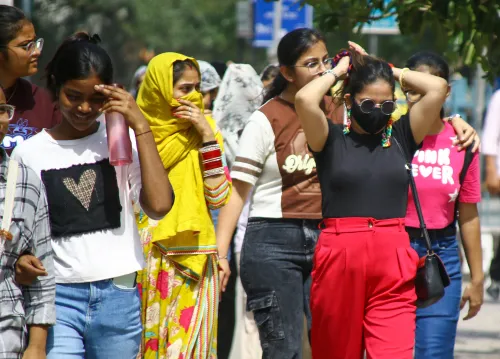
The India Meteorological Department (IMD) has forecast severe heatwave conditions across Delhi-NCR through 23 May, with daytime temperatures expected to range between 42 and 45 degrees Celsius. Residents have been urged to limit outdoor exposure during peak hours as the region braces for one of its most intense heat spells of the season.
Yellow Alert and What It Means
The IMD has issued a yellow alert for 19 and 20 May, signalling heightened heatwave risk and advising citizens to avoid unnecessary outdoor activity between noon and 4 pm. Under IMD guidelines, a heatwave is declared in the plains when the maximum temperature hits at least 40 degrees Celsius and stays well above seasonal norms. A severe heatwave is recorded when temperatures exceed the seasonal average by more than 6.4 degrees Celsius or breach the 45-degree mark outright.
How Temperatures Will Move This Week
Meteorologists project a gradual rise of 2 to 3 degrees Celsius in Delhi's temperature over the next three days. Sunday is expected to bring partly cloudy skies with a chance of thunderstorms and gusty winds of 20 to 30 kmph, occasionally spiking to 40 kmph. Despite brief cloud cover, the maximum is likely to hover around 44 degrees Celsius. Clear skies later in the week could push the mercury higher still, with warm nights offering little overnight relief.
States Under Heatwave Watch
The scorching conditions are not confined to the capital. Several states across North and Central India — including Rajasthan, Uttar Pradesh, Madhya Pradesh, Punjab, Haryana, Chandigarh, Chhattisgarh, and Delhi — are expected to face heatwave conditions in the coming days. The western Himalayan region may also see a rise of 3 to 4 degrees Celsius. In contrast, parts of Northeast and South India — including Assam, Arunachal Pradesh, Kerala, Tamil Nadu, and Andhra Pradesh — are likely to receive moderate rainfall with thunderstorms and strong winds.
Delhi Air Quality Compounds the Health Risk
Adding to residents' concerns, Delhi's air quality has deteriorated alongside the heat, with several monitoring stations recording 'poor' AQI levels. Station-wise readings include: Anand Vihar (239), Bawana (182), Chandni Chowk (136), DTU (140), Dwarka-Sector 8 (222), IIT Delhi (175), JNU (146), Pusa (199), Rohini (201), Sonia Vihar (181), and Wazirpur (222). The combination of extreme heat and degraded air quality elevates health risks, particularly for children, senior citizens, and outdoor workers.
Health Advisory
Health experts have advised residents to stay well-hydrated, wear light cotton clothing, avoid direct sunlight between noon and 4 pm, and check regularly on vulnerable individuals. With temperatures forecast to remain extreme through the week, authorities are expected to keep public health advisories in place until conditions ease.
Point of View
And the city's public health infrastructure has not kept pace. The simultaneous deterioration of air quality alongside extreme heat creates a compounding risk that standard heatwave advisories do not fully address. Vulnerable populations — outdoor workers, the elderly, children — face overlapping threats that demand coordinated municipal action beyond weather bulletins. The IMD's yellow alert is a necessary signal; what follows from civic authorities will determine whether it translates into lives protected.
NationPress
16 Sept 2026
Frequently Asked Questions
What is the IMD forecast for Delhi-NCR temperatures this week?
The IMD has forecast daytime temperatures between 42 and 45 degrees Celsius in Delhi-NCR through 23 May 2025, with a gradual rise of 2 to 3 degrees expected over the next three days. Sunday may see brief cloud cover and gusty winds, but the maximum is still expected to hover around 44 degrees Celsius.
What does the IMD yellow alert for Delhi mean?
The IMD has issued a yellow alert for 19 and 20 May, warning of likely heatwave conditions and advising residents to avoid unnecessary outdoor exposure during the hottest hours of the day. It is the second-lowest level of weather alert and signals that conditions could be hazardous for vulnerable groups.
Which other states are affected by the heatwave?
Rajasthan, Uttar Pradesh, Madhya Pradesh, Punjab, Haryana, Chandigarh, Chhattisgarh, and Delhi are all expected to face heatwave conditions. The western Himalayan region may also see a temperature rise of 3 to 4 degrees Celsius.
How bad is Delhi's air quality during the heatwave?
Several Delhi air quality monitoring stations are reporting AQI levels in the 'poor' category. Anand Vihar recorded 239, Dwarka-Sector 8 and Wazirpur both at 222, and Rohini at 201, among others. The combination of extreme heat and poor air quality poses heightened health risks.
What precautions should Delhi residents take during the heatwave?
Health experts advise staying well-hydrated, wearing light cotton clothing, and avoiding direct sunlight between noon and 4 pm. Residents should also regularly check on children, senior citizens, and others who are vulnerable to heat-related illness.