Delhi-NCR heatwave alert: 44°C for 3 days, relief likely from May 29

Synopsis
Delhi-NCR is locked in a 44°C heatwave with an IMD yellow alert through 27 May — but the forecast shows a dramatic 8-degree drop arriving on 29 May, driven by a Western Disturbance. For millions of residents enduring peak summer heat, that date cannot come soon enough.
Key Takeaways
The IMD has issued a 'yellow alert' for Delhi-NCR on 26 and 27 May as heatwave conditions persist.
Maximum temperatures are forecast to reach 44°C on both days, with minimums between 30–31°C .
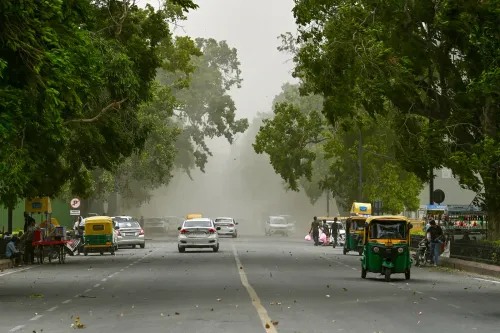
Strong surface winds of 50–60 km/h are expected on 28 May , along with light rain and thunder.
A significant drop to 36°C (maximum) is forecast from 29 May , driven by a Western Disturbance .
Conditions on 30 and 31 May are expected to remain relatively comfortable, with no active weather warnings issued.
Residents — especially the elderly, children, and outdoor workers — have been advised to avoid peak afternoon exposure and stay hydrated.
A severe heatwave is set to grip Delhi-NCR for the next three days, with the India Meteorological Department (IMD) issuing a 'yellow alert' for 26 and 27 May, as maximum temperatures are forecast to touch 44 degrees Celsius. The minimum temperature is expected to remain between 30 and 31 degrees Celsius during this period, offering little respite even after sunset. A meaningful break in conditions is not anticipated until 29 May, according to the IMD.
Heatwave Conditions: What to Expect on 26 and 27 May
On 26 May, the maximum temperature is forecast at 44°C with the minimum settling near 30°C. Heatwave conditions are expected to peak during afternoon hours, compounded by strong surface winds in the afternoon and evening that will intensify the heat index. The IMD has urged residents to avoid unnecessary outdoor exposure and stay adequately hydrated to reduce the risk of heatstroke and dehydration.
Conditions on 27 May are expected to mirror the previous day, with the maximum temperature again hovering around 44°C and the minimum rising marginally to 31°C. Hot, strong surface winds are once again forecast for the afternoon and evening, sustaining the risk of heat-related illness for those venturing outdoors.
Gradual Shift Begins on 28 May
A modest change is anticipated from 28 May, when the maximum temperature is expected to ease slightly to 43°C, while the minimum may climb to 32°C. The IMD has predicted the possibility of light rainfall accompanied by thunder and lightning on this day. Gusty, stormy winds with speeds ranging between 50 and 60 kilometres per hour are also forecast, with warnings issued specifically for the afternoon and evening hours.
Significant Relief Expected from 29 May
A more pronounced improvement in conditions is forecast from 29 May onward. The maximum temperature is expected to drop sharply to around 36°C, while the minimum is likely to settle near 28°C — a fall of nearly 8 degrees from peak heatwave levels. Light rainfall with thunder and lightning is also possible on this day, with winds of 40 to 50 kilometres per hour expected across parts of the NCR region. Weather officials indicate the rainfall and strong winds should deliver much-needed relief from the prolonged heat.
Conditions on 30 and 31 May are expected to remain relatively comfortable, with maximum temperatures between 35 and 36°C and minimums near 25°C. The IMD has issued a 'no warning' status for both days, though isolated light rainfall and thunderstorms remain possible. Humidity is forecast to fluctuate between 40 and 70 per cent.
Why the Weather Is Changing
According to weather experts, the anticipated shift from 29 May is primarily driven by the influence of a Western Disturbance and shifting upper-atmospheric conditions over northwest India. This is consistent with a seasonal pattern where Western Disturbances periodically interrupt pre-monsoon heat spells across the Indo-Gangetic Plain. Notably, the current heatwave has already pushed temperatures well above seasonal norms, placing Delhi-NCR among the hottest urban zones in the country this week.
Until conditions improve, the IMD has advised all residents — particularly the elderly, children, and outdoor workers — to remain alert, limit sun exposure during peak afternoon hours, and take necessary precautions against the prevailing heatwave.
Point of View
But the combination of high minimums — staying above 30°C — and strong hot winds significantly raises the physiological heat stress on residents, particularly the urban poor with limited access to cooling. The forecast relief on 29 May is weather-dependent and tied to a Western Disturbance, a system that can shift or weaken. What the IMD's yellow alert does not capture is the cumulative toll of sustained heat on public health infrastructure — hospitals, water supply, and power grids — which typically comes under strain precisely in this window before pre-monsoon rains arrive.
NationPress
11 Oct 2026
Frequently Asked Questions
What is the IMD yellow alert for Delhi-NCR on 26–27 May?
The IMD has issued a yellow alert for Delhi-NCR on 26 and 27 May, warning of severe heatwave conditions with maximum temperatures forecast to reach 44°C. Residents are advised to avoid outdoor exposure during peak afternoon hours and remain hydrated.
When will the heatwave in Delhi end?
According to the IMD, a noticeable improvement is expected from 29 May, when maximum temperatures are forecast to drop to around 36°C — nearly 8 degrees lower than peak heatwave levels. The change is attributed to a Western Disturbance influencing atmospheric conditions over northwest India.
What temperatures are expected in Delhi on 28 May?
On 28 May, the maximum temperature is expected to ease slightly to 43°C, with the minimum rising to 32°C. The IMD has forecast the possibility of light rain, thunder, and gusty winds of 50–60 km/h during the afternoon and evening.
What precautions has the IMD advised during the Delhi heatwave?
The IMD has advised residents — particularly the elderly, children, and outdoor workers — to avoid unnecessary outdoor activities during peak afternoon hours, stay hydrated, and take precautions against heatstroke and dehydration. Authorities have reinforced these advisories given the sustained nature of the current heat spell.
What is causing the weather change in Delhi from 29 May?
Weather experts attribute the anticipated change to the influence of a Western Disturbance and shifting upper-atmospheric conditions over northwest India. This system is expected to bring light rainfall, thunderstorms, and a significant drop in temperatures from 29 May onward.