Sanjay Lake revival: Delhi L-G T.S. Sandhu orders treated water supply for 52-acre waterbody
Synopsis
Delhi L-G T.S. Sandhu’s on-site inspection of Sanjay Lake has put the spotlight on one of the capital’s most neglected urban wetlands. With directions for treated water supply, geo-textile embankment work, bioswales, and 5,000 native trees, the phased revival plan is the most comprehensive intervention the 52-acre lake has seen in years — and a test of whether Delhi’s urban ecology commitments move beyond announcements.
Key Takeaways
Sandhu inspected Sanjay Lake in East Delhi on 25 June and reviewed a phased revival plan.
He directed the Delhi Jal Board to expedite pipeline repairs to ensure steady treated water supply from the Dallupura Sewage Treatment Plant .
The lake covers 52 acres and is surrounded by a 165-acre protected forest .
Upcoming phases include bioswales , bio-remediation, aerators, fountains, and plantation of 5,000 native trees .
L-G Sandhu also directed all rainwater harvesting systems across Delhi to be made operational before the monsoon, with a full capacity assessment ordered.
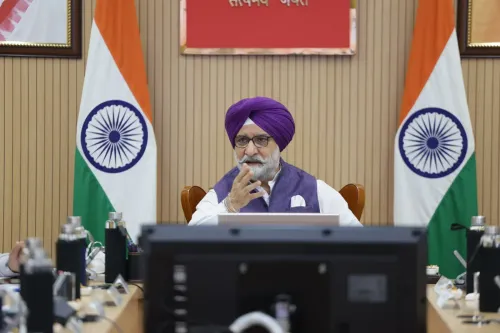
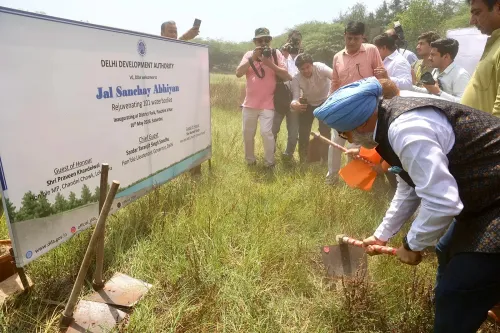
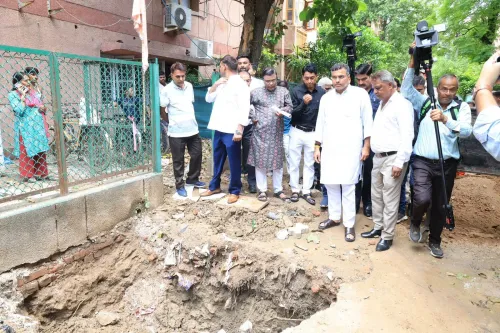
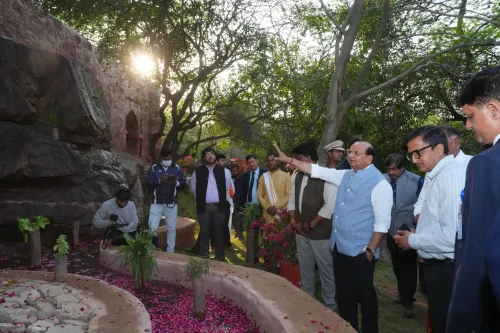
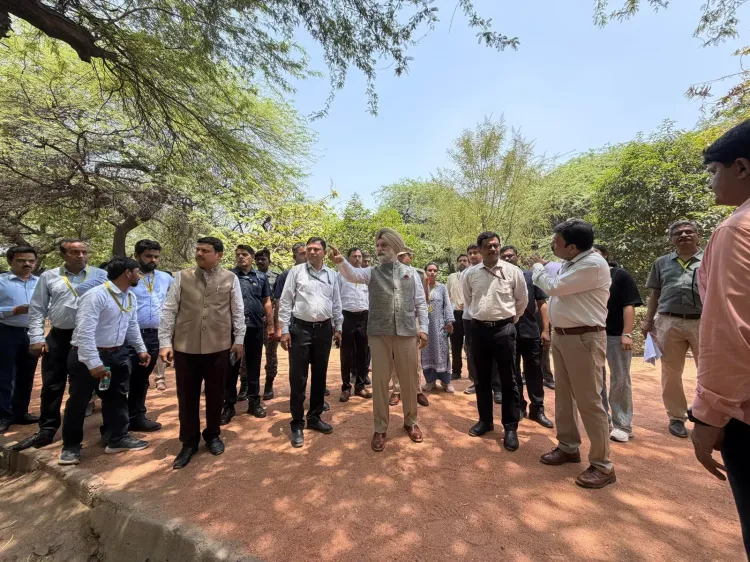
Delhi Lieutenant Governor T.S. Sandhu on Thursday, 25 June conducted an on-site inspection of Sanjay Lake in East Delhi, reviewing a phased revival plan for the 52-acre waterbody and directing officials to ensure a regular supply of treated water to restore the lake and its surrounding areas.
What the L-G Directed
During the visit, officials from the Delhi Development Authority (DDA) briefed L-G Sandhu on the phased action plan covering the lake and its adjoining 165-acre protected forest. He directed the expedited repair of the pipeline operated by the Delhi Jal Board to secure a steady supply of treated water from the Dallupura Sewage Treatment Plant.
Sandhu also called for continuous de-weeding, algae removal, and the strengthening of embankment slopes using geo-textile technology — work that is reportedly already underway at the site.
Upcoming Restoration Phases
According to L-G Sandhu, the next phases of the project will focus on channelising stagnant water, installing bioswales to enhance groundwater recharge, undertaking bio-remediation measures, and setting up aerators and fountains to improve dissolved oxygen levels in the lake.
A plantation drive covering 5,000 native trees is also planned to enrich the ecological biodiversity of the area. “We are committed to restoring Sanjay Lake to its former glory and ensuring that it serves as a clean, vibrant, and ecologically rich public space for the people of Delhi,” Sandhu said.
Rainwater Harvesting Push
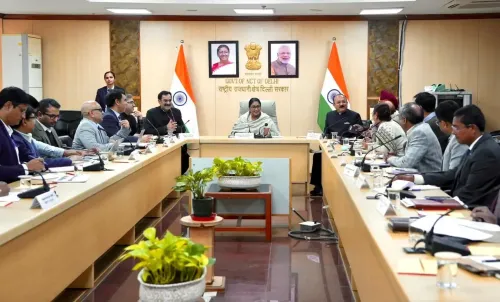
The lake inspection follows an earlier directive by L-G Sandhu calling for all rainwater harvesting systems across Delhi to be made operational ahead of the monsoon. He had directed civic agencies to expedite repairs to piping, gutters, and storage tanks — with particular focus on rainwater harvesting structures in government schools and buildings.
Officials were also instructed to comprehensively assess the total installed capacity of all rainwater harvesting structures across the capital, with the aim of establishing a reliable baseline for future groundwater recharge and long-term water conservation planning.
Why It Matters
Sanjay Lake is one of Delhi’s most significant urban wetlands, and its deterioration over the years has drawn attention from environmentalists and civic groups alike. This is the latest in a series of urban water-body revival initiatives in the capital, coming at a time when Delhi faces mounting groundwater stress and erratic monsoon patterns. Restoring the lake’s blue-green infrastructure is seen as critical to the city’s long-term environmental resilience.
With monsoon season approaching, the pace of pipeline repairs and de-weeding operations will be closely watched to determine whether the phased plan translates into measurable ecological recovery.
Point of View
But Delhi’s urban wetlands have seen rounds of similar announcements with limited follow-through. The critical variable here is the Delhi Jal Board pipeline repair — without a functioning treated-water supply, every downstream intervention from bioswales to aerators is contingent. The L-G’s direct involvement accelerates bureaucratic urgency, but the real accountability test will come post-monsoon, when water quality and embankment integrity can be independently assessed. Delhi’s groundwater table is under severe stress, making this not just an ecological project but a water-security one.
NationPress
24 Sept 2026
Frequently Asked Questions
What is the Sanjay Lake revival plan announced by Delhi L-G T.S. Sandhu?
It is a phased restoration project for the 52-acre Sanjay Lake in East Delhi, directed by L-G T.S. Sandhu on 25 June. The plan includes regular treated water supply from the Dallupura Sewage Treatment Plant, de-weeding, geo-textile embankment work, bioswales, bio-remediation, and plantation of 5,000 native trees.
Which agencies are responsible for restoring Sanjay Lake?
The Delhi Development Authority (DDA) is leading the phased action plan, while the Delhi Jal Board is responsible for repairing the pipeline that supplies treated water to the lake from the Dallupura Sewage Treatment Plant.
What is the significance of Sanjay Lake for Delhi?
Sanjay Lake is one of Delhi’s major urban wetlands, covering 52 acres and adjoined by a 165-acre protected forest. Its restoration is seen as vital for groundwater recharge, urban biodiversity, and the city’s long-term environmental resilience.
What rainwater harvesting steps has L-G Sandhu ordered alongside the lake revival?
L-G Sandhu has directed all civic agencies to make rainwater harvesting systems operational before the monsoon, with a focus on government schools and buildings. Officials have also been asked to assess the total installed capacity of all such structures across Delhi to establish a baseline for future water conservation planning.
What are the next phases of the Sanjay Lake restoration project?
Upcoming phases include channelising stagnant water, installing bioswales for groundwater recharge, undertaking bio-remediation, setting up aerators and fountains to improve dissolved oxygen levels, and planting 5,000 native trees to restore ecological biodiversity.