Delhi L-G orders weekly Jan Sunwai at all police stations from June 20
Synopsis
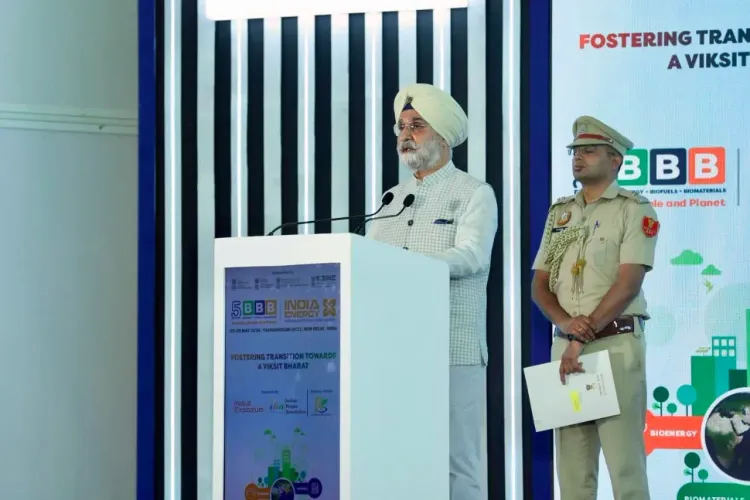
Delhi L-G T.S. Sandhu is mandating weekly public hearings at every police station in the capital from 20 June — a structural shift in how Delhi Police handles citizen grievances. With senior officers required to attend in rotation and complaints logged on ICMS regardless of prior registration, the 'Thana Divas-Jan Sunwai' is one of the most sweeping community policing mandates the city has seen in recent years.
Key Takeaways
Sandhu has ordered weekly public hearings at all Delhi police stations starting 20 June .
The initiative, called 'Thana Divas-Jan Sunwai' , will be held every Saturday from 10 am to 2 pm .
Officers from Special Commissioner to ACP level must attend in rotation to ensure accountability.
All complaints — whether or not pre-registered on ICMS — will be accepted and uploaded post-hearing.
Pending grievances will be reviewed periodically by ACP and DCP for timely disposal.
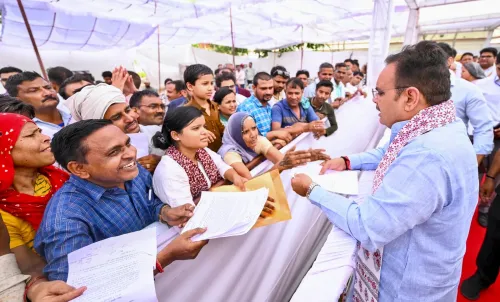
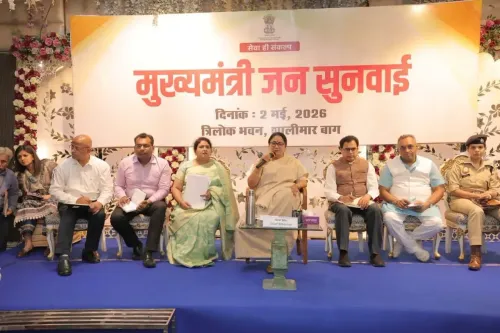
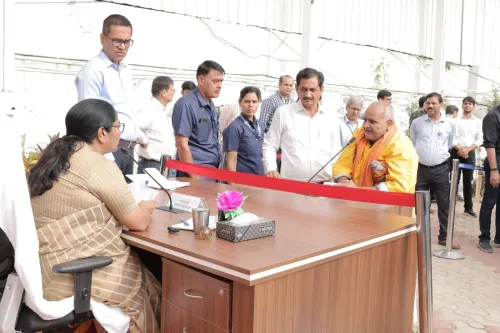
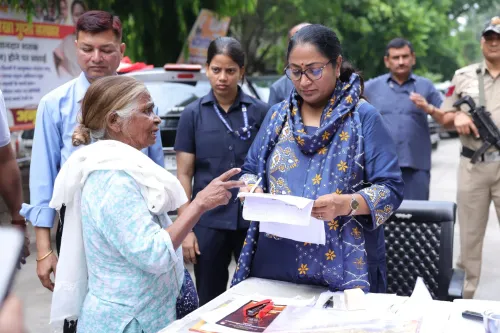
Delhi Lieutenant Governor T.S. Sandhu has directed all police stations in the capital to hold weekly public hearings every Saturday starting 20 June, in a move aimed at strengthening community policing and making grievance redressal more accessible to ordinary citizens. The initiative, called 'Thana Divas-Jan Sunwai', will run from 10 am to 2 pm at every police station across Delhi.
What the Initiative Covers
The Jan Sunwai platform is designed as an open public hearing where residents can present grievances, complaints, suggestions, or requests for assistance relating to police functioning and local public safety. A circular issued by Delhi Police Commissioner Satish Golcha described it as a structured mechanism to augment public outreach and enhance accessibility of police services.
'This shall serve as an open public hearing platform where members of the public may present their grievances, complaints, suggestions, requests for assistance, or matters relating to police functioning and public safety,' the circular stated.
Senior Officers to Attend in Rotation
To ensure accountability, the guidelines mandate that all supervisory officers — from the level of Special Commissioner down to Assistant Commissioner of Police (ACP) — attend Jan Sunwai sessions compulsorily in rotation, as per a schedule drawn up by each district. 'The presence of senior officers shall be ensured to facilitate expeditious resolution of grievances and to strengthen public confidence in the grievance redressal mechanism,' the circular noted.
Commissioner Golcha also directed that every police station maintain a separate information sheet for recording grievances received during each session, in prescribed formats.
Time-Bound Grievance Disposal
Grievances requiring inquiry, verification, or field action are to be assigned immediately and resolved within a reasonable timeframe. Pending complaints will be reviewed periodically by the concerned ACP and Deputy Commissioner of Police (DCP) to ensure timely disposal. All Station House Officers (SHOs) have been directed to ensure proper seating arrangements, assistance desks, and a citizen-friendly environment at each session.
Notably, the Commissioner clarified that any complainant attending Jan Sunwai will be heard regardless of whether their complaint is already registered on the Integrated Complaint Management System (ICMS). Complaints received during the hearing will be accepted on the spot and subsequently uploaded to ICMS.
The L-G's Push for Community Policing
A statement issued by Lok Niwas — the official residence of the Delhi L-G — said the L-G has been emphasising public-centric, accessible, and interactive policing as the most effective way to address public grievances and build community confidence in law enforcement. The initiative is part of a broader effort to promote structured grievance redressal and improve accountability at all levels of the Delhi Police hierarchy.
This comes at a time when urban policing models across India are under scrutiny for inadequate public interface, and the Jan Sunwai format mirrors similar outreach models adopted in other states. With the first session set for 21 June, the real test will be whether the weekly hearings translate into measurable improvements in complaint resolution rates.
Point of View
But its impact will hinge entirely on enforcement. Mandatory senior officer attendance in rotation is a strong accountability lever — but only if the rotation schedule is made public and compliance is tracked. Delhi Police's track record on grievance disposal timelines has been uneven, and without published resolution metrics, this risks becoming a well-intentioned Saturday ritual rather than a systemic fix. The ICMS integration is the right call: linking walk-in complaints to a digital backend is what separates a genuine redressal mechanism from a public-relations exercise.
NationPress
20 Sept 2026
Frequently Asked Questions
What is 'Thana Divas-Jan Sunwai' in Delhi?
'Thana Divas-Jan Sunwai' is a weekly public hearing initiative ordered by Delhi L-G T.S. Sandhu, to be held every Saturday from 10 am to 2 pm at all police stations in Delhi starting 20 June. It allows citizens to present grievances, complaints, and suggestions directly to police officers.
When does the Delhi police public hearing initiative begin?
The initiative begins on 20 June, with the first Jan Sunwai sessions scheduled at police stations across Delhi. Sessions will be held every Saturday thereafter from 10 am to 2 pm.
Who must attend the Jan Sunwai sessions?
All supervisory officers from the level of Special Commissioner down to Assistant Commissioner of Police (ACP) are required to attend Jan Sunwai sessions compulsorily in rotation, as per a schedule drawn up by each district.
What happens to complaints filed during Jan Sunwai?
Complaints received during Jan Sunwai will be accepted regardless of whether they are already registered on the Integrated Complaint Management System (ICMS), and will subsequently be uploaded to ICMS. Grievances requiring field action must be assigned immediately and resolved within a reasonable timeframe.
Why has Delhi L-G T.S. Sandhu launched this initiative?
The L-G has been emphasising public-centric and interactive policing as the most effective way to address citizen grievances and strengthen community confidence in law enforcement. The initiative aims to promote structured grievance redressal and improve accountability across all levels of Delhi Police.