Is a Cold Wave and Dense Fog Affecting Delhi-NCR's Air Quality?
Synopsis
As Delhi and NCR experience a relentless cold wave and dense fog, air quality plunges into the 'severe' category. Authorities impose strict measures to combat pollution, urging residents to limit outdoor activities. Stay informed about the weather's impact on daily life in the capital!
Key Takeaways
Cold wave in Delhi persists for over a week.
Air Quality Index exceeds 400, categorizing it as 'severe.' Authorities enforce Stage-III GRAP measures.
Non-essential construction activities halted.
Residents advised to limit outdoor activities.
New Delhi, Jan 17 (NationPress) Residents of Delhi and the National Capital Region (NCR) faced another frigid winter morning on Saturday, as freezing temperatures, thick fog, and dangerous air quality merged to amplify discomfort across North India. The cold wave persisted for the sixth day in a row, with pollution levels surpassing the 'severe' category, prompting the authorities to enforce strict measures under Stage-III of the Graded Response Action Plan (GRAP).
The minimum temperatures in the national capital dropped significantly below seasonal averages, further intensifying the cold. Delhi registered a low of 4.3 degrees Celsius, while the Safdarjung and Ayanagar weather stations noted temperatures of 4.7 degrees Celsius a day earlier.
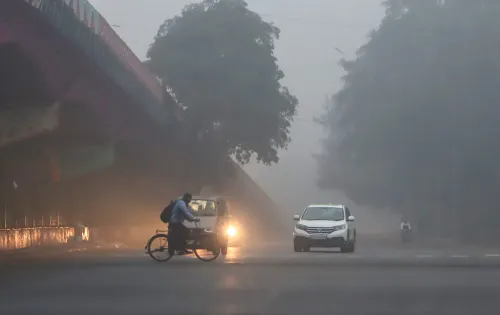
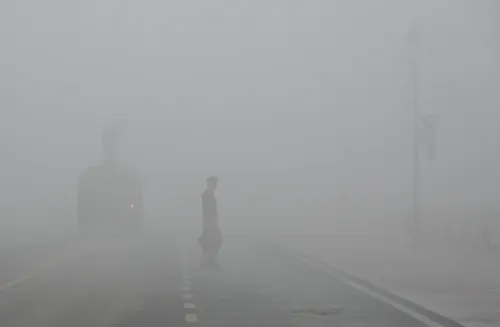
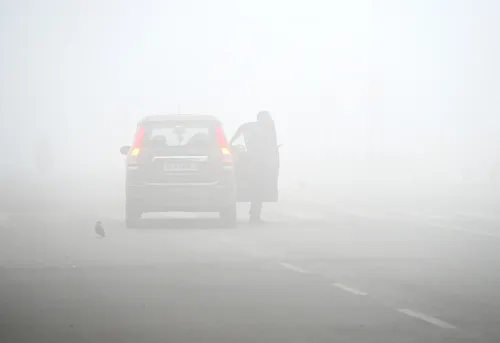
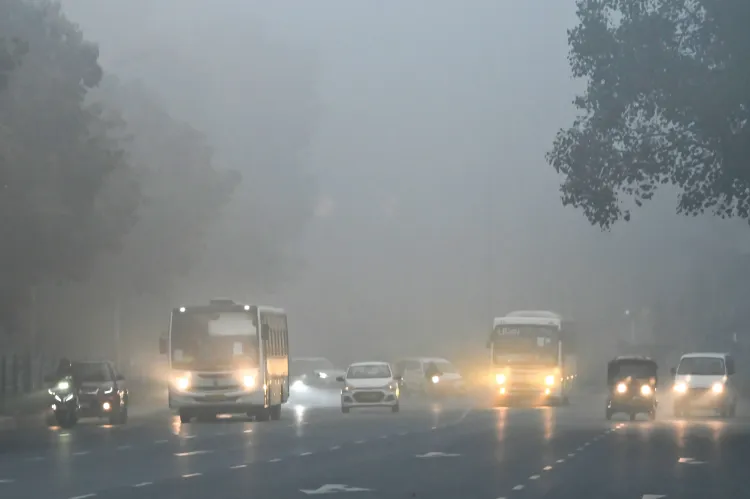
Conditions were exacerbated by dense fog, which considerably diminished visibility in the early hours.
At Indira Gandhi International Airport, visibility fell to around 350 meters at 6:30 am, resulting in operational difficulties and flight delays. The airport authorities had issued a travel advisory earlier in the day, confirming that low-visibility procedures were activated for both arrivals and departures.
In a message on the social media platform X, Delhi Airport stated, “Low Visibility Procedures are in progress at Delhi Airport. All flight operations are currently normal. Passengers are encouraged to check with their respective airlines for updated flight information.”
Meanwhile, air quality saw a sharp decline, with the Air Quality Index (AQI) exceeding the 350 threshold in numerous areas. Consequently, the Commission for Air Quality Management (CAQM) implemented Stage-III GRAP measures to prevent further environmental and health deterioration.
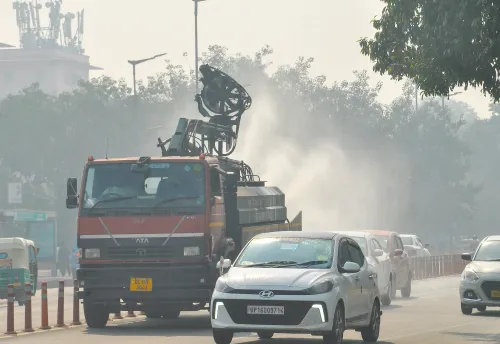
As part of these restrictions, all non-essential construction and demolition activities have been halted, including welding, plastering, painting, piling, trenching, and flooring work.
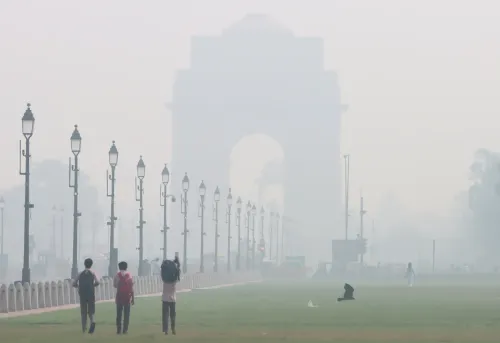
Data from the Central Pollution Control Board (CPCB) revealed that AQI levels at ITO reached 402, firmly categorizing it as ‘severe’. According to CPCB standards, AQI readings exceeding 401 indicate severe pollution, posing significant health threats, particularly to children, the elderly, and those with respiratory conditions.
Several neighborhoods reported even higher pollution levels. Anand Vihar emerged as the most polluted area with an AQI of 437, followed by Patparganj at 429, Chandni Chowk at 426, Nehru Nagar at 421, and Vivek Vihar at 418.
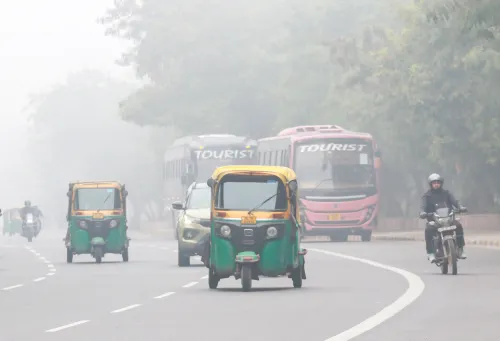
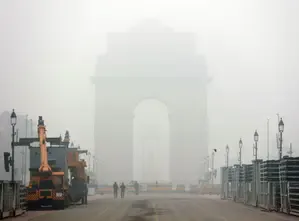
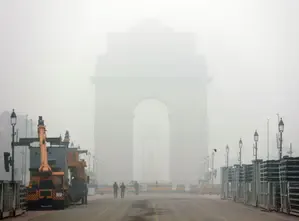
Thick smog blanketed major traffic routes, further reducing visibility and complicating commuting conditions.
Authorities have advised residents to restrict outdoor activities, especially during the early morning and late evening, as the dual impact of extreme cold and polluted air continues to envelop the region.
Point of View
The ongoing cold wave and deteriorating air quality in Delhi-NCR highlight the urgent need for effective environmental management. The government's response through the Graded Response Action Plan (GRAP) reflects a commitment to addressing climate challenges and protecting public health. NationPress remains dedicated to keeping the public informed on critical issues.
NationPress
9 Oct 2026
Frequently Asked Questions
What is causing the cold wave in Delhi?
The persistent cold wave in Delhi is attributed to lower than average temperatures along with dense fog, which is common during winter months.
What measures are being taken to improve air quality?
Authorities have implemented Stage-III of the Graded Response Action Plan (GRAP), which includes halting non-essential construction activities.
How does the Air Quality Index (AQI) affect health?
An AQI above 401 indicates severe pollution, posing significant health risks, particularly for vulnerable populations such as children and the elderly.
What should residents do during this weather?
Residents are advised to limit outdoor activities, especially during the early morning and late evening when pollution levels are at their highest.
What are the current visibility conditions at the airport?
Visibility at Indira Gandhi International Airport has dropped to around 350 meters due to dense fog, leading to operational challenges.