Delhi-NCR yellow alert: IMD forecasts rain for 3 days after 60 mm deluge
Synopsis
Delhi's Thursday deluge — 60.4 mm at Lodhi Road alone — pushed daytime temperatures to their coolest point of the season and flooded key neighbourhoods. With the IMD now issuing a yellow alert for three more days of rain, the capital's chronic drainage gaps are back in focus.
Key Takeaways
The IMD has issued a yellow alert for Delhi-NCR , forecasting moderate to heavy rain over the next three days from 7 August .
Lodhi Road recorded the highest single-day rainfall at 60.4 mm on Thursday; Safdarjung logged 56 mm and Delhi Ridge 54.4 mm .
Delhi's maximum temperature fell to 27.6°C on Thursday — 6.6 degrees below the previous day and well below the seasonal normal of 34.2°C .
Waterlogging was reported in Defence Colony , Kanjhawala , Dwarka , Karkardooma , and Saraswati Vihar , among other areas.
Gurugram Police advised corporate offices to enable work-from-home to ease traffic and support emergency services.
The IMD has flagged a low to moderate flash flood risk in certain watersheds and low-lying areas over the next 24 hours .
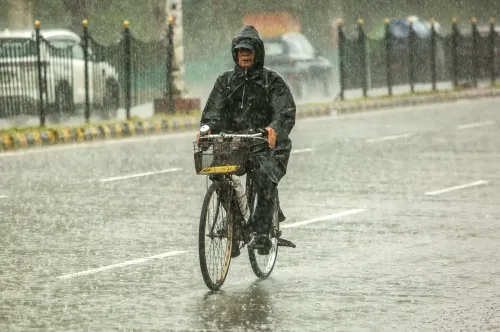
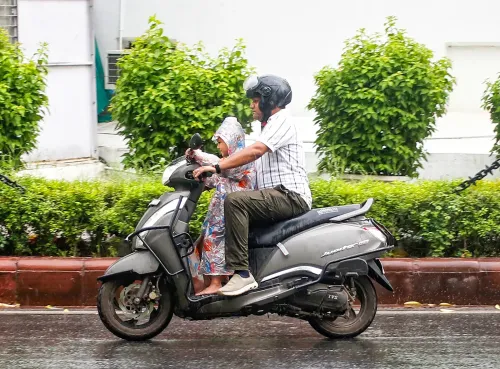
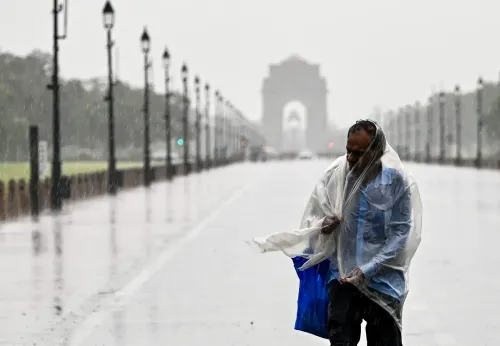
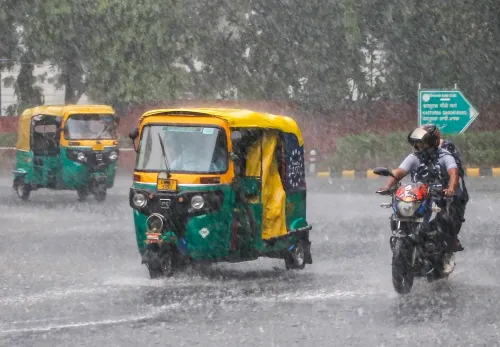
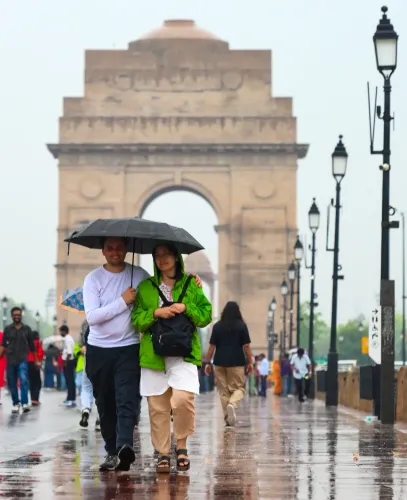
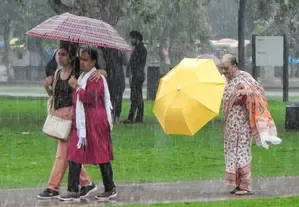
The India Meteorological Department (IMD) has issued a yellow alert for Delhi and the National Capital Region (NCR), forecasting moderate to heavy rainfall over the next three days starting 7 August. The warning follows a day of intense showers that drenched the capital on Thursday, 7 August, pushing temperatures to their lowest point of the season and triggering widespread waterlogging.
Key Developments
Residents of the national capital woke up on Friday to cool winds and light drizzle — a sharp contrast to the humid conditions that had dominated earlier in the week. The IMD has forecast continued rainfall activity through the weekend, with light showers likely on Saturday and Sunday. The department has additionally flagged a low to moderate risk of flash flooding in certain watersheds and low-lying neighbourhoods over the next 24 hours.
Thursday's downpour was significant enough to warrant an orange alert from the IMD. Among the city's monitoring stations, Lodhi Road recorded the highest rainfall at 60.4 mm, followed by Safdarjung at 56 mm and Delhi Ridge at 54.4 mm. Under IMD classification, rainfall between 15.6 mm and 64.4 mm falls in the moderate category.
Temperature Drops to Season Low
The continuous rain on Thursday caused a dramatic fall in daytime temperatures. Delhi's maximum temperature settled at 27.6 degrees Celsius — a drop of 6.6 degrees from the previous day's 32.6 degrees Celsius and well below the seasonal normal of 34.2 degrees Celsius. The minimum temperature was recorded at 25.6 degrees Celsius, leaving an unusually narrow gap of just 2 degrees Celsius between the day's high and low — a marker of sustained cloud cover and persistent moisture.
Waterlogging and Traffic Disruptions
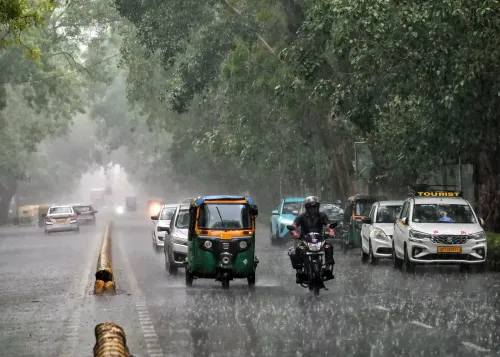
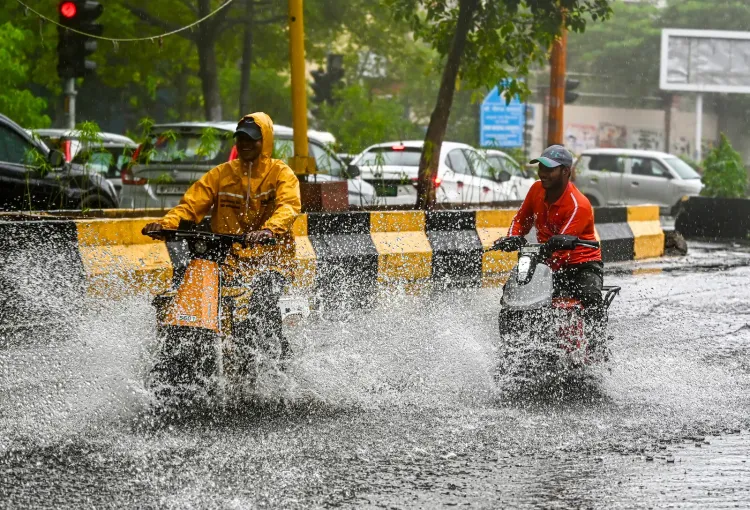
The heavy showers caused waterlogging at multiple locations across the capital. The Public Works Department (PWD) received complaints from areas including Press Enclave Marg, Defence Colony, Kanjhawala, and Palla. Water accumulation was also reported in parts of Karkardooma, Saraswati Vihar in Pitampura, and several stretches in Dwarka, affecting road movement in those localities.
This pattern of post-rain waterlogging is not new to Delhi — the capital's drainage infrastructure has struggled to handle high-intensity rainfall events for years, and Thursday's episode underscored those longstanding vulnerabilities.
Gurugram Advisory and What to Expect
Gurugram Police issued a cautionary advisory on Thursday morning, urging corporate offices and private establishments to allow employees to work from home in order to reduce traffic volume and ease the movement of emergency services. With the yellow alert now in force, residents across Delhi-NCR are advised to remain prepared for continued wet conditions through the coming days. The IMD's forecast suggests the current spell of monsoon activity is likely to persist before any significant break.
Point of View
Defence Colony, Kanjhawala — flood every monsoon season, suggesting that weather alerts are outpacing infrastructure investment. The Gurugram work-from-home advisory, while practical, is an improvised fix for a systemic gap. Until the capital's stormwater drainage is upgraded to handle high-intensity events, residents will keep waking up to the same flooded roads.
NationPress
22 Sept 2026
Frequently Asked Questions
What does the IMD yellow alert for Delhi mean?
A yellow alert from the India Meteorological Department signals that moderate to heavy rainfall is expected and residents should stay updated and take precautions. For Delhi-NCR, the current yellow alert covers the next three days from 7 August, with light to moderate showers likely through the weekend.
How much rain did Delhi receive on Thursday?
Lodhi Road recorded the highest rainfall at 60.4 mm on Thursday, followed by Safdarjung at 56 mm and Delhi Ridge at 54.4 mm. The IMD classifies rainfall between 15.6 mm and 64.4 mm as moderate.
Which areas in Delhi were affected by waterlogging?
Waterlogging was reported in Press Enclave Marg, Defence Colony, Kanjhawala, Palla, Karkardooma, Saraswati Vihar in Pitampura, and several stretches in Dwarka. The PWD received multiple complaints from these locations.
How much did temperatures fall in Delhi after Thursday's rain?
Delhi's maximum temperature dropped to 27.6 degrees Celsius on Thursday — 6.6 degrees below the previous day's 34.2 degrees and well below the seasonal normal. The minimum was 25.6 degrees Celsius, leaving just a 2-degree gap between the day's high and low.
Why did Gurugram Police issue a work-from-home advisory?
Gurugram Police issued the advisory on Thursday morning to reduce traffic volume on waterlogged roads and ensure smoother movement for emergency services during the heavy rainfall. It was directed at corporate offices and private establishments in the city.