Delhi's 11 Districts Reorganised into 13 New Administrative Units?
Click to start listening
Synopsis
Delhi's administrative landscape is set for a major change as the government reorganises its districts. With the creation of 'Mini Secretariats' and a focus on aligning district boundaries with municipal zones, residents can expect improved service delivery and governance. Discover how this transformation will impact citizens in the capital.
Key Takeaways
- Reorganisation of districts from 11 to 13 for improved governance.
- Introduction of Mini Secretariats for streamlined service access.
- Alignment of district boundaries with municipal zones.
- Increased sub-divisions from 33 to 39.
- Enhanced coordination and quicker service delivery for citizens.
New Delhi, Dec 26 (NationPress) A formal notification has been released to reorganise Delhi's 11 districts into 13 new administrative units, alongside an announcement regarding the jurisdictions of Registrars for the existing Sub-Registrar Offices (SROs), as stated by an official on Friday.
The official notification indicated, “The Government of National Capital Territory of Delhi (GNCTD), via notification number F.223/SDM-II(HQ)/Land/ 2025/306747/285 dated 25.12.2025, has effectively reorganised 11 districts into 13 districts immediately.”
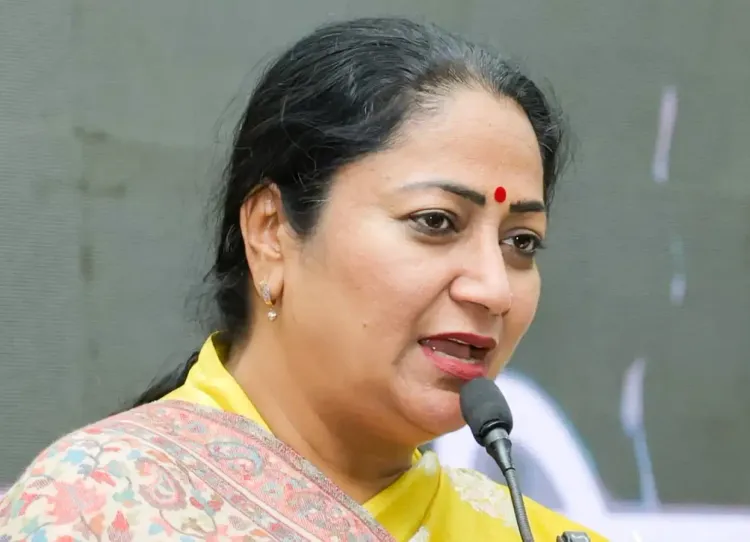
Earlier this month, Chief Minister Rekha Gupta revealed that the Delhi Government plans to introduce modern, multi-departmental ‘Mini Secretariats’ in all 13 districts, allowing citizens to access a variety of services such as Revenue Offices, SDM, ADM, Tehsil, and Sub-Registrar Offices all at one location.
With the new arrangement, the total number of districts will rise from 11 to 13 and sub-divisions from 33 to 39. This adjustment aims to balance the workload of officials and expedite service delivery to citizens.
Post-reorganisation, the boundaries of all 13 districts will fully correspond with those of the Municipal Corporation, NDMC, and the Delhi Cantonment Board, enhancing governance clarity and improving inter-departmental coordination.
The Chief Minister elaborated that for many years, revenue district boundaries did not align with those of the Municipal Corporation zones, NDMC, and Delhi Cantonment Board.
This misalignment has consistently resulted in service delivery delays, confusion in addressing complaints, challenges in managing land records, and inconsistencies across departmental jurisdictions, she noted.
She highlighted that in a metropolis like Delhi, establishing smaller, balanced, and administratively empowered districts is crucial for enhancing service coordination, ensuring quicker delivery, rapid grievance resolution, and effective oversight. Thus, the number of districts is being increased from 11 to 13.
The Chief Minister stressed that district administration serves as the backbone of any governance framework and represents the closest interaction between the government and the populace.
“Given Delhi's swiftly growing population, construction activities, urban expansion, and the increasing complexity of civic services, it has become vital to optimise the district administration to make it more organised, effective, and accountable,” she stated.
Point of View
I believe this reorganisation of Delhi's districts marks a pivotal step towards enhancing administrative efficiency and service delivery. The establishment of Mini Secretariats is a forward-thinking approach that could significantly improve the interaction between citizens and the government, ensuring that the needs of a rapidly growing metropolis like Delhi are met more effectively.
NationPress
04/01/2026
Frequently Asked Questions
What prompted the reorganisation of Delhi's districts?
The reorganisation aims to improve service delivery, align district boundaries with municipal zones, and enhance governance efficiency.
How many new districts will be created?
Delhi's districts will increase from 11 to 13 as part of the reorganisation.
What services will the 'Mini Secretariats' provide?
The 'Mini Secretariats' will offer access to various services including Revenue Offices, SDM, ADM, Tehsil, and Sub-Registrar Offices.
When did this notification come into effect?
The notification came into effect immediately as of December 25, 2025.
Who announced this reorganisation?
The reorganisation was announced by Chief Minister Rekha Gupta.