Delhi Police arrest PLA militant wanted in Manipur UAPA cases

Synopsis
A wanted member of Manipur's banned People's Liberation Army — evading security forces for years under a false identity — has been nabbed from South Delhi by the Crime Branch. The arrest raises urgent questions about how deep insurgent networks from the Northeast have embedded themselves in India's capital.
Key Takeaways
Delhi Police Crime Branch arrested a wanted militant on 6 November 2026 from South Delhi .
The accused is allegedly an active member of the People's Liberation Army (PLA) of Manipur, a proscribed organisation under the UAPA .
He had been living under a fake identity at a secret location, evading security agencies for a prolonged period.
Serious cases against him are registered at Thoubal police station in Manipur under the UAPA and other provisions.
Investigators are probing whether he was planning a conspiracy or attack in Delhi or surrounding areas.
The PLA and its political wing RPF , founded in 1978 , have been declared unlawful by the Ministry of Home Affairs (MHA) under UAPA.
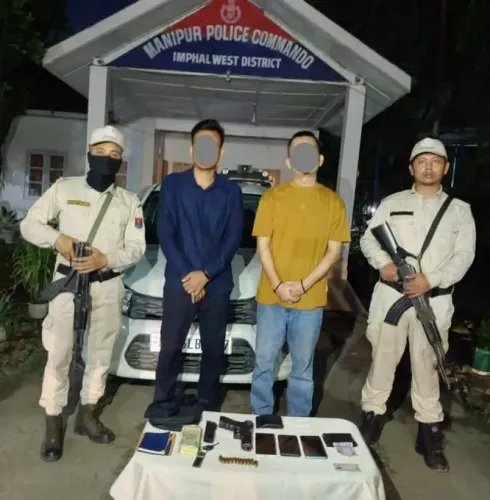
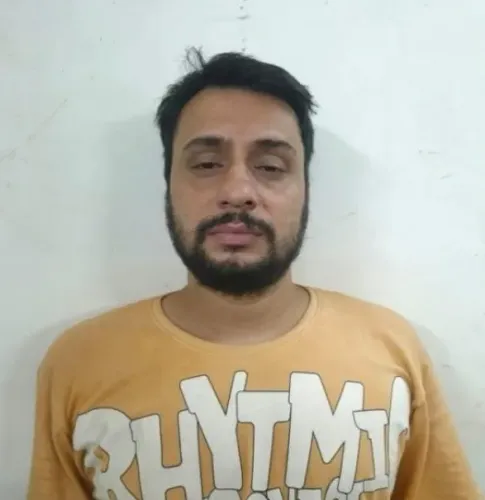
The Delhi Police Crime Branch on Friday, 6 November 2026, arrested a wanted militant allegedly linked to the People's Liberation Army (PLA) of Manipur — a proscribed separatist outfit — from a South Delhi location. The accused, booked under the Unlawful Activities (Prevention) Act (UAPA) and several other grave legal provisions, had been evading security agencies for an extended period by living under a fake identity.
How the Arrest Was Made
Acting on credible intelligence inputs, a dedicated Crime Branch team laid a trap and apprehended the accused from a concealed address in South Delhi. The operation was conducted in coordination with state units and central security agencies, with the breakthrough coming after a specific tip-off about his whereabouts.
According to police sources, the accused had been on the run for a prolonged period and was residing at a secret location under a false identity, making detection difficult for law enforcement.
What the Accused Is Wanted For
Preliminary investigation reveals that the accused faces serious cases registered at the Thoubal police station in Manipur. He is charged under the UAPA and multiple other provisions. Investigators are now probing whether his presence in Delhi was connected to any planned conspiracy or attack in the national capital or surrounding regions.
The Crime Branch is currently interrogating the accused in close coordination with Manipur Police and central security agencies.
About the People's Liberation Army of Manipur
The People's Liberation Army (PLA) of Manipur is a separatist insurgent organisation founded in 1978. Its stated objective is to establish an independent and sovereign state of Manipur. The PLA operates alongside its political wing, the Revolutionary People's Front (RPF).
Both the PLA and the RPF have been declared unlawful associations under the UAPA, with the ban periodically extended by the Ministry of Home Affairs (MHA). This comes amid ongoing security concerns in the Northeast, where multiple proscribed outfits continue to maintain networks beyond the region's borders.
Significance and What Comes Next
The arrest underscores the reach of Northeastern insurgent networks into metropolitan India. Security analysts have long flagged that members of banned outfits often relocate to large cities to evade local surveillance while continuing organisational activities. Investigators will now seek to determine the full scope of the accused's activities in Delhi and any operational links he may have maintained with the PLA's command structure.
Point of View
But what investigators find in interrogation — whether the accused was in a passive 'go-to-ground' mode or actively coordinating. The Delhi angle also invites scrutiny of how UAPA enforcement translates to conviction rates; arrests under the act have consistently outpaced trials and closures. If this case follows the same trajectory, the operational intelligence gathered now may matter more than the chargesheet that follows.
NationPress
6 Nov 2026
Frequently Asked Questions
Who was arrested by the Delhi Police Crime Branch on 6 November?
The Delhi Police Crime Branch arrested a wanted militant allegedly linked to the People's Liberation Army (PLA) of Manipur on 6 November 2026 from South Delhi. He is booked under the UAPA and multiple other legal provisions, and faces serious cases registered at Thoubal police station in Manipur.
What is the People's Liberation Army (PLA) of Manipur?
The PLA is a separatist insurgent organisation founded in 1978 in Manipur, with the stated goal of establishing an independent sovereign state of Manipur. It operates with its political wing, the Revolutionary People's Front (RPF), and both have been declared unlawful associations under the UAPA by the Ministry of Home Affairs.
How did Delhi Police locate the accused?
The accused was tracked down following a specific tip-off and subsequent intelligence inputs that revealed his concealed address in South Delhi. A dedicated Crime Branch team laid a trap and apprehended him; he had been using a fake identity to evade detection.
Is the accused suspected of planning an attack in Delhi?
Investigators are actively probing whether the accused's presence in Delhi was connected to any planned conspiracy or attack in the national capital or its surrounding areas, according to police sources. The interrogation is being conducted in coordination with Manipur Police and central security agencies.
What happens next after the arrest?
The Crime Branch is interrogating the accused and coordinating with Manipur Police and central security agencies to establish the full scope of his activities. Findings from the interrogation are expected to determine whether additional arrests or preventive action in the Delhi region will follow.