Is Delhi Sinking Under Severe Pollution as AQI Approaches 400?
Synopsis
As pollution levels in Delhi reach alarming heights with an AQI nearing 400, residents face serious health risks. Authorities are on high alert, and the situation calls for immediate action. Understand the causes and potential solutions to Delhi's recurring air quality crisis.
Key Takeaways
AQI in Delhi reached 396, indicating very poor air quality.
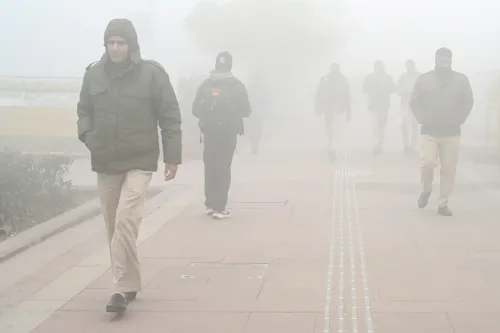
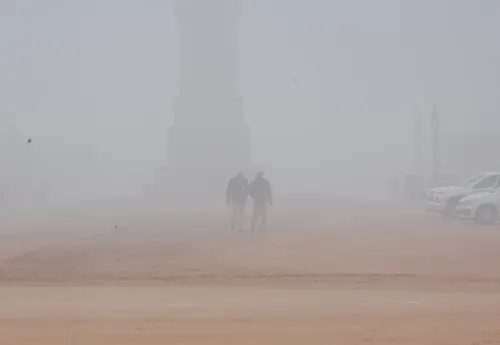
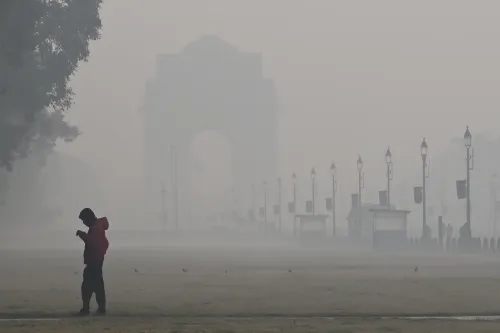
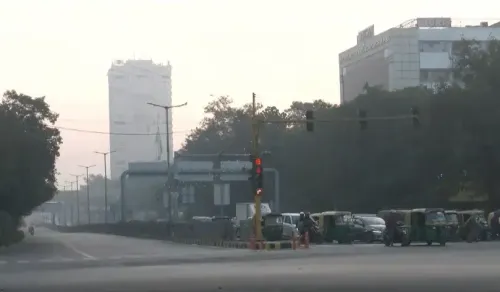
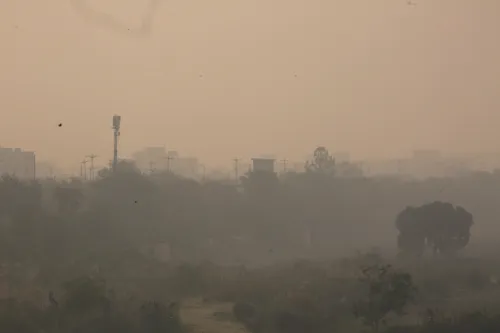
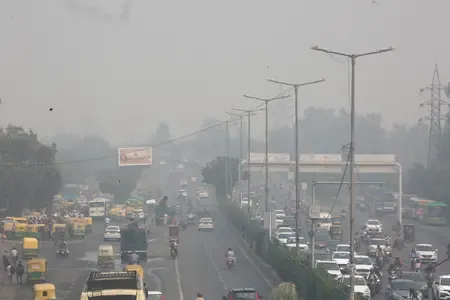
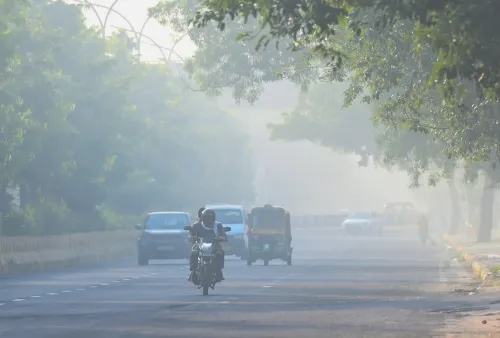
Visibility has decreased due to thick toxic haze.
Health risks are heightened for vulnerable populations.
Authorities may introduce stricter pollution control measures.
Long-term solutions are necessary to combat recurring pollution.
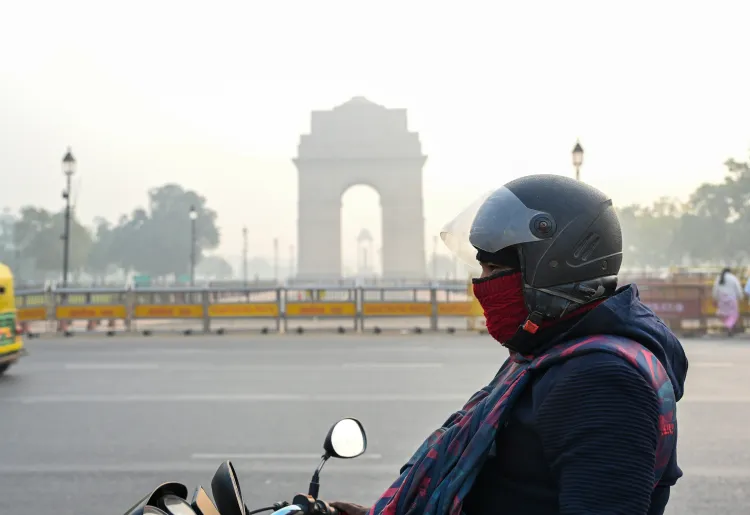
New Delhi, Nov 24 (NationPress) A hazardous layer of pollution enveloped the national capital, with the Air Quality Index (AQI) soaring to 396 on Monday, firmly placing it in the 'very poor' category. This represents a slight improvement from the 'very severe' AQI exceeding 500 observed across various hotspots in Delhi-NCR on Saturday.
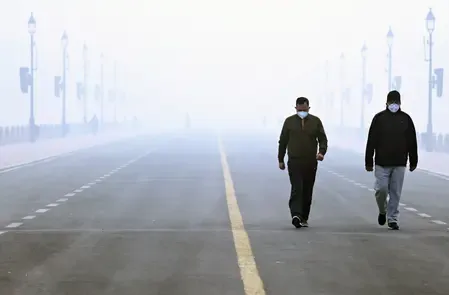
Visibility decreased significantly in numerous areas of the city due to the thickening toxic haze, leading to renewed health alerts from authorities.
Nearby NCR cities are also grappling with poor air quality. Faridabad recorded an AQI of 358, Gurugram 370, Ghaziabad 355, Greater Noida 342, and Noida 372.
While most localities in Delhi are fluctuating between AQI 300 and 400, several areas have already surpassed the 400 threshold, plunging into the 'severe' category. Officials indicate that conditions may worsen if wind speeds remain stagnant.
Meteorologists link the rise in pollution levels to a mixture of still winds, low temperatures, and heightened moisture that trap pollutants near the ground. The winter inversion effect, where cold air remains trapped beneath warmer air, is obstructing the dispersal of particulate matter.
Environmental specialists warn that the ongoing presence of PM2.5 particles, the most harmful pollutants that can penetrate deep into the lungs, poses a significant health risk. Major contributors during this time include vehicular emissions, construction dust, industrial pollutants, and local biomass burning.
Healthcare professionals recommend that residents limit outdoor activities, particularly vulnerable groups like children, the elderly, asthma sufferers, and individuals with heart conditions. Prolonged exposure to current air quality levels can result in respiratory issues, eye irritation, diminished lung function, and a higher risk of cardiac problems.
With the AQI nearing the 'severe' zone, Delhi is under the scrutiny of the Graded Response Action Plan (GRAP). Authorities may implement stricter regulations if pollution levels continue to escalate, which could include restrictions on construction, bans on polluting vehicles, and suspension of specific industrial activities.
Experts assert that Delhi's recurring winter pollution dilemma necessitates long-term structural solutions beyond temporary fixes. These solutions include stricter enforcement of vehicle emissions, rapid public transport expansion, dust control at construction sites, and coordinated regional efforts to reduce external pollution sources.
As the capital faces yet another severe pollution episode, residents are cautioned that the upcoming weeks—usually the worst for air quality—could lead to further degradation unless weather conditions improve and emissions decline.
Delhi's annual smog crisis, now a seasonal public health emergency, continues to highlight the urgent need for enduring environmental reforms.
Point of View
I believe that addressing Delhi's air quality crisis is crucial not only for the health of its residents but also for the broader environmental implications. We need a comprehensive approach that combines immediate action with long-term solutions to ensure our capital's air quality improves sustainably.
NationPress
18 Sept 2026
Frequently Asked Questions
What is the current AQI in Delhi?
The current AQI in Delhi has reached 396, which is categorized as 'very poor'.
What causes the poor air quality in Delhi?
The poor air quality is attributed to a combination of calm winds, low temperatures, and increased moisture, along with emissions from vehicles and industrial activities.
Who is most at risk due to this pollution?
Vulnerable groups such as children, the elderly, asthma patients, and individuals with heart conditions are at the highest risk.
What measures are authorities taking?
Authorities may implement stricter regulations under the Graded Response Action Plan, including construction bans and vehicle restrictions.
How can residents protect themselves?
Residents are advised to limit outdoor activities, especially during high pollution days, to minimize health risks.