Is Delhi's Air Quality Improving Despite Pollution Concerns?
Synopsis
Delhi's air pollution levels are still a pressing issue, despite a slight improvement in the AQI. With ongoing foggy conditions affecting visibility, residents face challenges. Keep updated on how these conditions impact daily life and health in the capital.
Key Takeaways
Delhi's AQI is currently at 226, indicating 'poor' air quality.
Many areas continue to experience high pollution levels.
Fog conditions are affecting visibility and commuting.
Temperatures are expected to fluctuate in the coming days.
Public health measures are necessary to combat air pollution.
New Delhi, Feb 6 (NationPress) The air quality in the national capital exhibited a slight improvement on Friday morning, although pollution levels remain a significant issue. As per the data from the Central Pollution Control Board (CPCB), Delhi's overall Air Quality Index (AQI) was reported at 226 at 8 a.m., categorizing it as 'poor'.
This indicates a minor improvement compared to Thursday's AQI of 241.
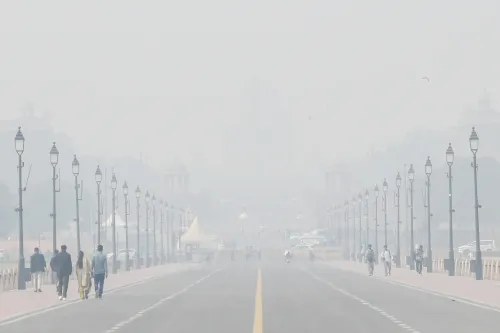
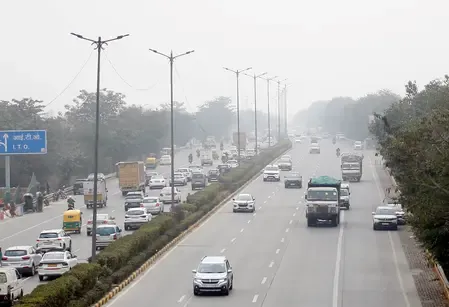
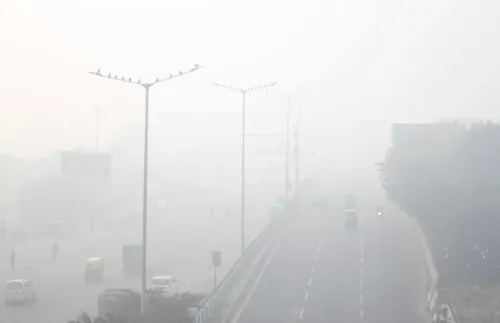
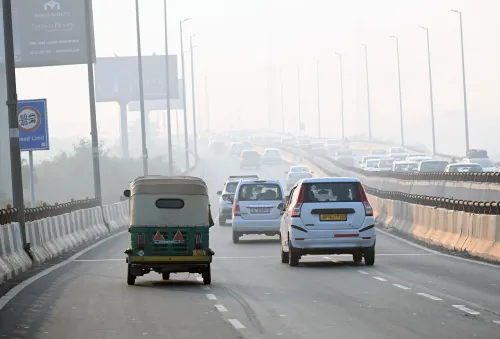
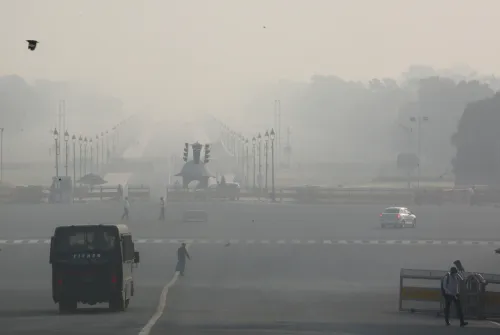
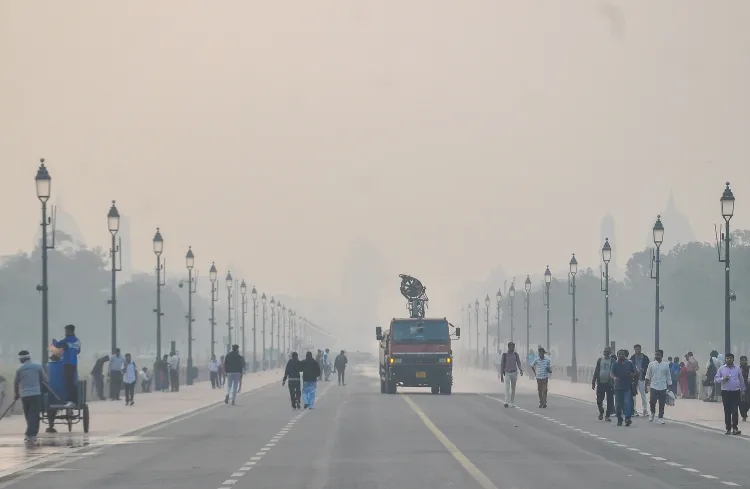
Even with this small decrease in pollution, many areas of the city continued to display poor air quality, with a light fog enveloping several regions during the early hours, which hampered visibility and posed challenges for commuters.
CPCB monitoring stations revealed varying AQI levels across the city. Anand Vihar recorded an AQI of 261, while Bawana reported 266. Jahangirpuri showed 278, and Pusa was one of the most polluted spots with an AQI of 290. Other regions such as Wazirpur (265), Okhla Phase-2 (262), Sonia Vihar (262), R.K. Puram (271), and Chandni Chowk (240) also fell into the 'poor' category. In contrast, IGI Airport Terminal 3 had a relatively better AQI of 148, and Lodhi Road reported 156.
Nearby Noida also faced high pollution levels, with Sector-125 at 243, Sector-1 at 228, and Sector-62 at a lower 168, while Sector-116 was at 207.
A thin layer of fog was evident in many parts of Delhi, affecting visibility during the morning. The weather department forecasts a maximum temperature of about 23 degrees Celsius for the day, with humidity around 55%. While no formal weather warnings have been issued, foggy conditions are likely to persist in the mornings.
On February 7, a slight increase in daytime temperatures is anticipated, with highs expected at 24 degrees Celsius and lows around 11 degrees Celsius. Shallow fog is expected to continue. By February 8, temperatures might dip again, ranging between 10 and 23 degrees Celsius, accompanied by moderate fog.
From February 9, fog conditions are predicted to intensify, with minimum temperatures potentially dropping to 9 degrees Celsius and moderate fog expected. The foggy conditions may continue into February 10 and 11, with minimum temperatures between 11 and 12 degrees Celsius and maximum temperatures gradually increasing to 25 degrees Celsius. No weather alerts are currently in effect for this timeframe.
Additionally, fresh snowfall in mountainous regions is anticipated to contribute to dense fog across the northern plains. The India Meteorological Department (IMD) has warned of the possibility of dense fog during the morning and night hours in parts of Uttarakhand, Uttar Pradesh, Bihar, and Madhya Pradesh. Predominantly dry weather is expected across most other regions, with no rainfall forecast for the plains from Punjab to southern India.
Point of View
It's crucial to highlight the ongoing struggle with air pollution in Delhi. While the marginal improvement in the AQI is a positive sign, it underscores the persistent challenges that urban populations face. The focus should remain on sustainable solutions to mitigate pollution and protect public health, aligning with national interests.
NationPress
1 Oct 2026
Frequently Asked Questions
What is the current AQI of Delhi?
As of February 6, the Air Quality Index (AQI) of Delhi is reported at 226, placing it in the 'poor' category.
How does fog affect visibility in Delhi?
Foggy conditions in the morning have significantly reduced visibility, making commuting more challenging for residents.
What regions in Delhi are most affected by pollution?
Areas like Pusa, Jahangirpuri, and Anand Vihar are among the most polluted, with AQI levels exceeding 260.
What is the forecast for temperatures in the coming days?
Temperatures are expected to rise slightly to 24 degrees Celsius on February 7 but may drop again on February 8.
What precautions should residents take due to poor air quality?
Residents should limit outdoor activities, use air purifiers indoors, and wear masks when going outside.