Concerns Grow as Delhi's Air Quality Remains Poor Amidst Warm February Weather
Synopsis
Delhi continues to grapple with poor air quality, as the AQI remains in the 'poor' category, despite the arrival of warm February temperatures. This weather anomaly presents health challenges and raises questions about air pollution management in the capital.
Key Takeaways
Delhi's air quality remains a major concern with AQI in the 'poor' range.
Warm February temperatures are unusual and may impact public health.
Health experts advise limiting outdoor activities during peak pollution times.
The IMD predicts no significant temperature changes in the coming days.
Two weak Western Disturbances may lead to light rain in the Western Himalayas.
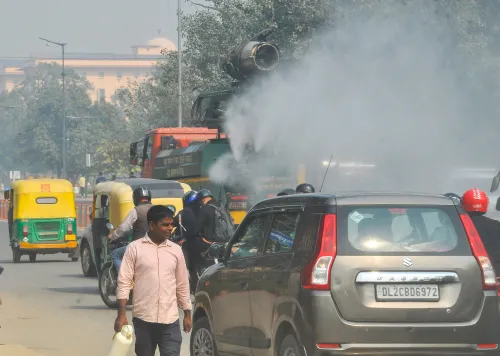
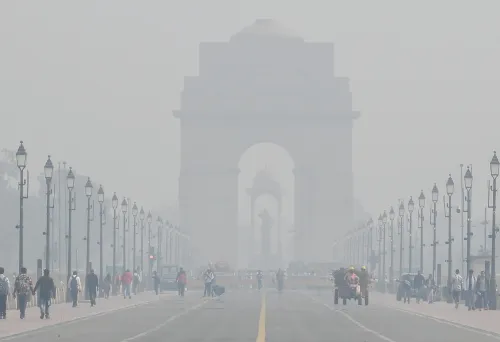
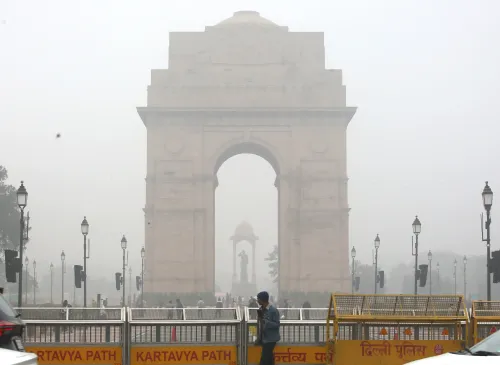
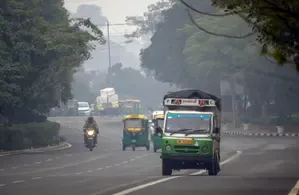
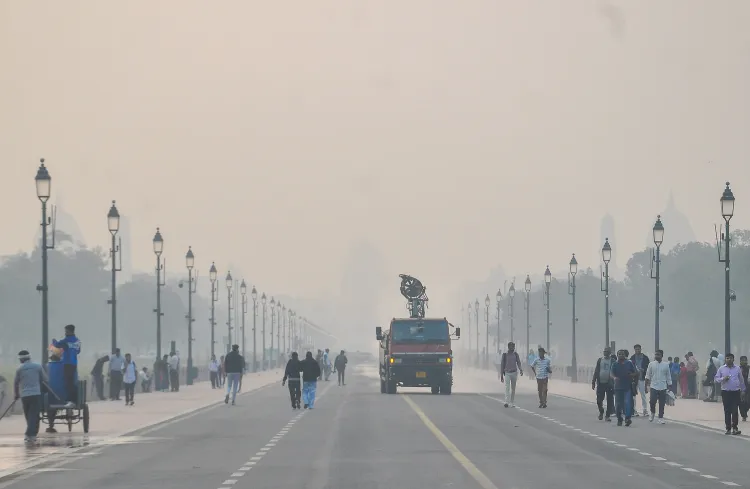
New Delhi, Feb 27 (NationPress) The air quality in Delhi remains a significant issue as of Friday, with the Air Quality Index (AQI) still categorized as 'poor'. The national capital greeted the day with a cool, hazy morning marked by clear skies and a gentle breeze. The morning temperature was recorded at approximately 14 degrees Celsius, providing a momentary sense of relief before the temperature is anticipated to rise later in the day.
Data from the Central Pollution Control Board (CPCB) showed varying AQI levels across the city. The readings included Anand Vihar at 280, North Campus at 258, Wazirpur at 238, Jahangirpuri at 230, Dwarka Sector-8 at 228, Mundka at 219, R K Puram at 218, Bawana at 213, Chandni Chowk at 203, Ashok Vihar at 192, Narela at 184, and Sonia Vihar at 178—all falling within the moderate to poor categories. In contrast, locations like DTU (145), IIT Delhi (147), Mandir Marg (138), and Pusa (136) showed relatively better air quality.
Health experts recommend that residents, particularly those with respiratory conditions, limit outdoor activities during early morning hours when pollution levels and mist are most pronounced.
Despite a cool start, Delhi is experiencing unseasonably warm weather for February. Afternoon temperatures have been progressively rising, making the days feel more akin to early April. Prolonged exposure to the sun during peak hours has become increasingly uncomfortable, although mornings and late evenings still provide a mild chill.
The city recorded a maximum temperature of 30.2 degrees Celsius and a minimum of 12.6 degrees Celsius on Thursday. A gentle breeze throughout the day offered slight relief from the heat.
The India Meteorological Department (IMD) anticipates mostly clear skies over Delhi-NCR in the upcoming days, with no significant temperature fluctuations expected. From February 28 to March 4, maximum temperatures are projected to range between 31 and 33 degrees Celsius, while minimum temperatures are likely to stay around 15 and 16 degrees Celsius.
The IMD has also alerted residents about two weak Western Disturbances that may bring light rain and snowfall to the Western Himalayan region between February 26-28 and again from March 2-3. Increased cloud cover is anticipated over Himachal Pradesh, Uttarakhand, and Jammu & Kashmir, with light precipitation expected in higher-altitude areas.
Point of View
It is important to highlight that Delhi's persistent air quality issues require immediate attention. The unusual February warmth compounds the situation, potentially affecting public health and quality of life. A nation-first approach is essential to address these environmental challenges effectively.
NationPress
14 Sept 2026
Frequently Asked Questions
What is the current air quality level in Delhi?
As of February 27, Delhi's air quality is classified as 'poor' with various areas reporting AQI levels between 178 and 280.
How can residents protect themselves from poor air quality?
Health experts recommend limiting outdoor activities, especially in the early morning when pollution levels are at their highest.
What are the expected weather conditions in Delhi for the coming days?
The IMD forecasts mostly clear skies with maximum temperatures ranging from 31 to 33 degrees Celsius and minimum temperatures between 15 and 16 degrees Celsius.
Will there be any rain in Delhi soon?
Two weak Western Disturbances may bring light rain and snowfall to the Western Himalayan region from February 26-28 and again from March 2-3.
Is the warm weather typical for February in Delhi?
No, the current warm temperatures are unseasonably high for February, making the days feel more like early April.