Is Delhi's Air Quality Still Deteriorating?
Synopsis
Delhi's air pollution crisis deepens as AQI levels remain dangerously high, prompting urgent calls for action from both authorities and residents. Are we doing enough to combat this pressing environmental issue?
Key Takeaways
Delhi's air quality remains critical as AQI levels reach 318.
Major contributors to pollution include vehicular and industrial emissions .
Authorities are implementing mitigation measures to reduce pollution.
Residents are encouraged to take personal responsibility for pollution reduction.
Air quality has fluctuated between 'poor' and 'very poor' in recent days.
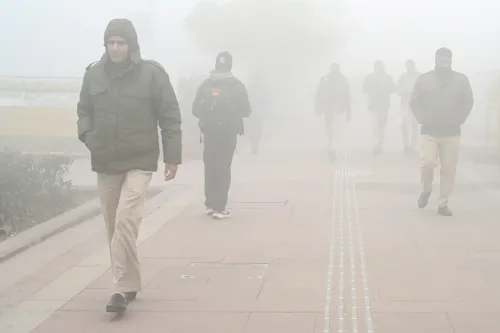
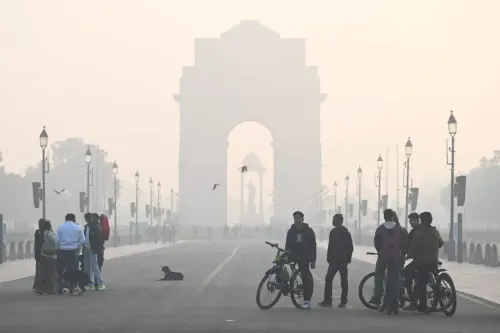
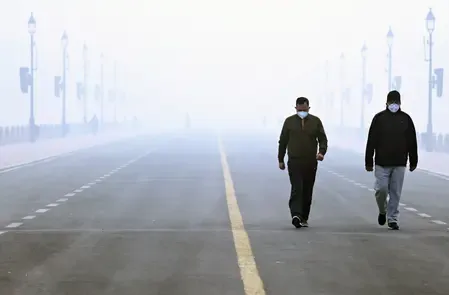
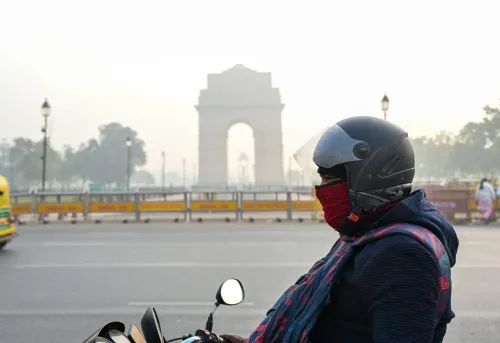
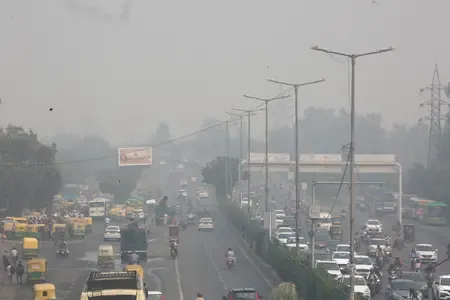
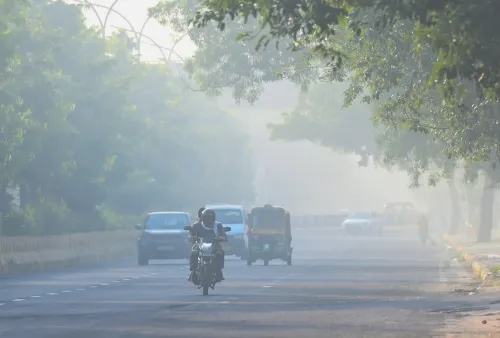
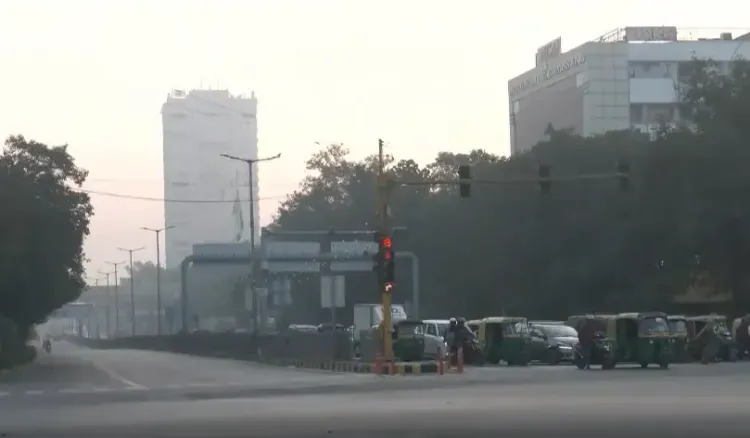
New Delhi, Dec 8 (NationPress) The air quality in Delhi and the broader National Capital Region (NCR) remained entrenched in the very poor category on Monday morning, perpetuating an ongoing crisis of hazardous pollution that has enveloped the area for several weeks.
The overall Air Quality Index (AQI) was noted at 318, reflecting a slight increase from Sunday’s measurement.
On Sunday, the city experienced marginally clearer skies and a minor enhancement in air quality, providing residents with a fleeting respite from the persistent smog. The real-time AQI was logged at 277, a minor improvement from the day prior. Nevertheless, pollution levels remained alarmingly elevated. PM10 concentrations hit 263 µg/m³, while PM2.5 levels were recorded at 199 µg/m³.
Among the monitoring stations in Delhi, Bawana reported the highest AQI level at 368 on Monday. Other locations, like Anand Vihar and Pusa, also indicated severely polluted air with readings exceeding 350.
In nearby NCR municipalities, Noida and Ghaziabad recorded AQI levels of 333 and 325, respectively, categorizing them as 'poor'. In contrast, air quality was somewhat better in Gurugram and Faridabad, with readings at 282 (poor) and 200 (moderate).
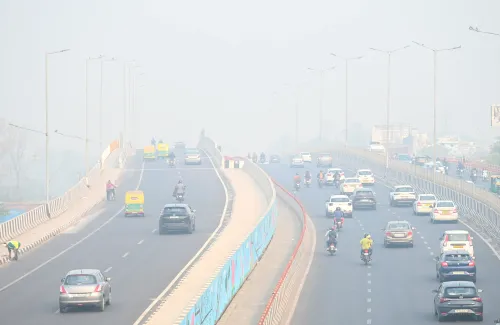
The Decision Support System for Air Quality Management attributes vehicular emissions as the primary contributor to Delhi’s pollution, accounting for nearly 16.5 percent. Industrial activities around the national capital contribute 8.1 percent, while construction projects add 2.3 percent. Emissions from households—encompassing heaters, generators, and stoves—constitute roughly 4 percent.
Over the past week, Delhi’s air quality has fluctuated between 'poor' and 'very poor' levels, with AQI values recorded at 279 on November 30, followed by readings of 304, 372, 342, 304, 327, and 330 over the subsequent six days.
In response, municipal authorities have intensified mitigation efforts, including regular water spraying on pollution-heavy routes like the Mehrauli-Badarpur Road.
Residents are increasingly voicing concerns over the deteriorating conditions. One local resident remarked to IANS, “The government must prioritize this issue, but citizens should also take accountability. Much of the pollution stems from our daily activities—from vehicles to appliances we utilize.”
Point of View
It is imperative to recognize that the air quality crisis in Delhi is not just an environmental issue; it’s a significant public health threat. The reliance on vehicular, industrial, and household emissions has created a dire need for collective responsibility and immediate action from both authorities and citizens. NationPress stands firm in advocating for urgent measures to safeguard public health.
NationPress
2 Oct 2026
Frequently Asked Questions
What is the current AQI level in Delhi?
As of Monday morning, the overall AQI in Delhi is recorded at 318, indicating very poor air quality.
What are the main contributors to Delhi's air pollution?
The primary sources of pollution in Delhi include vehicular emissions (16.5%), industrial units (8.1%), construction activities (2.3%), and household emissions (4%).
What measures are being taken by the authorities?
Municipal authorities have increased efforts to mitigate pollution, including regular water sprinkling on pollution-prone roads.
How does air quality fluctuate in Delhi?
Over the past week, Delhi's AQI has varied between 'poor' and 'very poor', with recorded values ranging from 279 to 372.
What can residents do to combat air pollution?
Residents can take personal accountability by limiting vehicle usage, utilizing cleaner energy sources, and supporting local environmental initiatives.