Why is Delhi’s Air Quality Breaching 400 Today?
Synopsis
On November 2, New Delhi faced a stark decline in air quality, with levels falling into the 'very poor' and 'severe' categories. The hazardous smog has raised alarms about health risks and environmental impacts. Experts warn of worsening conditions without interventions. Stay informed and protect your health amidst this pollution crisis.
Key Takeaways
Delhi's air quality has deteriorated to 'very poor' and 'severe' levels.
Dense smog and low wind speeds are trapping pollutants.
Areas like Wazirpur and Bawana are among the most polluted.
Health risks increase significantly with poor air quality.
Experts warn of worsening conditions without intervention.
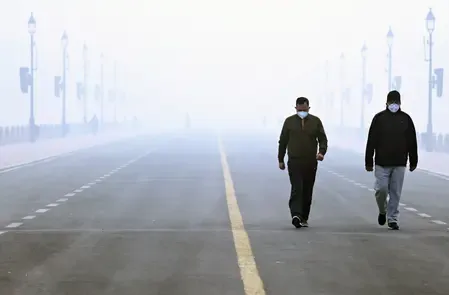
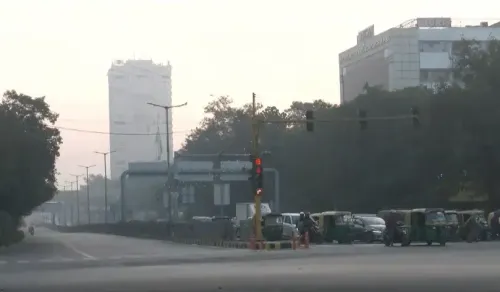
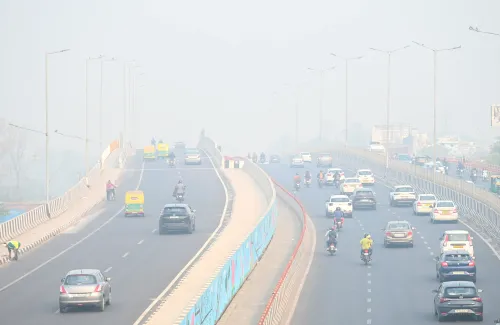
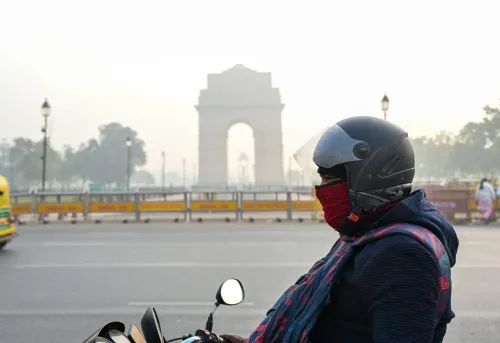
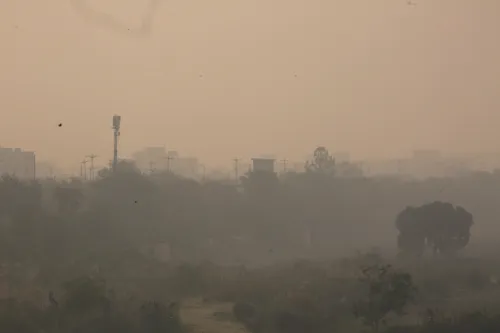
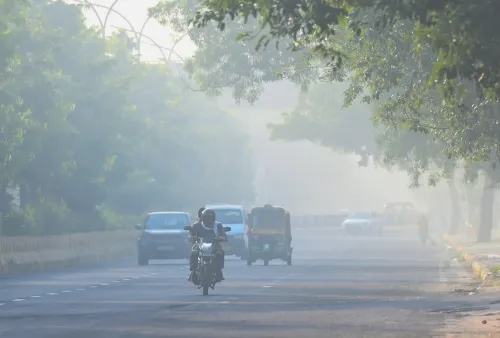
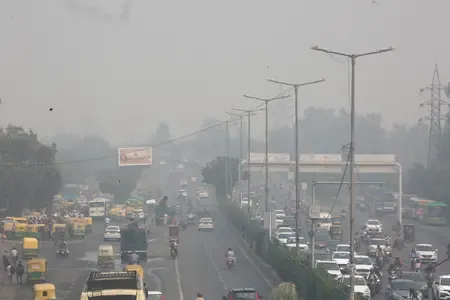
New Delhi, Nov 2 (NationPress) The capital city has experienced a significant decline in air quality this morning, with pollution levels plunging into the ‘very poor’ category and reaching ‘severe’ thresholds in various areas of Delhi-NCR. A thick layer of smog combined with calm morning winds has trapped pollutants near the ground, leading to drastically reduced visibility and exacerbating breathing difficulties throughout the region.
As reported by the Central Pollution Control Board (CPCB), the average Air Quality Index (AQI) in Delhi was recorded at 372 at 6:30 a.m., firmly categorizing it as ‘very poor’.
The situation deteriorated further in numerous locations, where AQI values surpassed the 400 threshold, signifying ‘severe’ air quality. Some of the most polluted areas included Wazirpur (425), Bawana (410), Rohini (409), RK Puram (418), and Dwarka (401), all exhibiting hazardous pollution levels. Overall, most monitoring stations throughout the city displayed AQI values ranging between 300 and 400, indicating widespread toxic air.
The air quality in the NCR region was similarly concerning, with cities like Faridabad (312), Gurugram (325), Greater Noida (308), Ghaziabad (322), and Noida (301) all falling into the ‘very poor’ category based on AQI readings.
Weather conditions played a significant role in the accumulation of pollution, as the primary meteorological station at Safdarjung noted a visibility of 900 meters, while Palam reported 1,300 meters, both due to a combination of fog and smog. The wind speeds remained low at around 4 km/h, inadequate for dispersing the trapped pollutants.
The India Meteorological Department (IMD) noted that Delhi recorded a maximum temperature of 30.5 degrees Celsius, approximately three degrees below the seasonal average, with a minimum temperature of 19.4 degrees Celsius, which is slightly above normal. Humidity was reported at 73 percent on Saturday evening, further contributing to smog formation.
With an AQI of 303 recorded on Saturday night, already in the ‘very poor’ range, stagnation and low wind speeds overnight resulted in a significant increase by morning.
Experts have cautioned that without strong northwesterly winds or rainfall, air quality is expected to deteriorate further in the upcoming days as stubble burning and local emissions continue to exacerbate the pollution crisis in Delhi.
Point of View
It is imperative to highlight the growing air quality crisis in Delhi. This situation underscores the urgent need for strategic interventions from both local and national authorities to combat pollution and safeguard public health. The nation must rally together to address these environmental challenges head-on.
NationPress
20 Oct 2026
Frequently Asked Questions
What is the current AQI level in Delhi?
As of this morning, Delhi's average AQI level stands at 372, categorizing it in the 'very poor' range.
Which areas in Delhi are most affected by pollution?
The most polluted areas include Wazirpur (425), Bawana (410), and Dwarka (401), all experiencing hazardous pollution levels.
What are the health implications of high AQI levels?
High AQI levels can lead to serious health issues, including respiratory problems, cardiovascular diseases, and aggravation of pre-existing conditions.
How do weather conditions affect air quality?
Calm winds and humidity can trap pollutants close to the ground, exacerbating air quality issues and contributing to smog formation.
What measures can be taken to improve air quality?
Implementing stricter emission regulations, promoting public transportation, and encouraging green spaces can help improve air quality over time.