Delhi's IT Minister Explores Innovative Auto-Appeal System Under RTS Act
Synopsis
Delhi's IT Minister, Pankaj Kumar Singh, is advocating for a revolutionary Auto-Appeal Mechanism under the RTS Act to enhance public service efficiency. This groundbreaking approach aims to alleviate the burden on citizens while ensuring timely responses from the government.
Key Takeaways
Delhi is considering a new Auto-Appeal Mechanism for public services.
The initiative aims to enhance transparency and efficiency.
537 services are currently monitored under the RTS Act.
The proposed system would automate appeal filing upon service delays.
Best practices from Haryana's model are being evaluated for implementation.
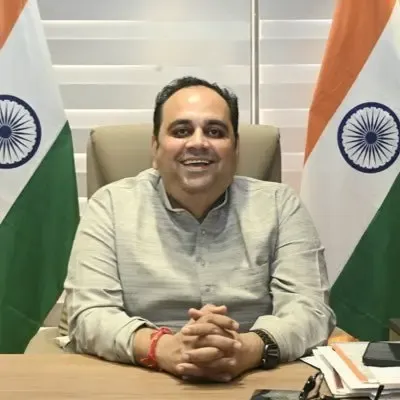
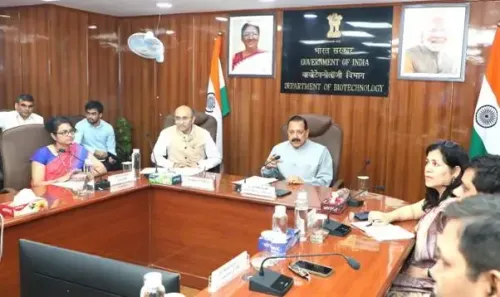
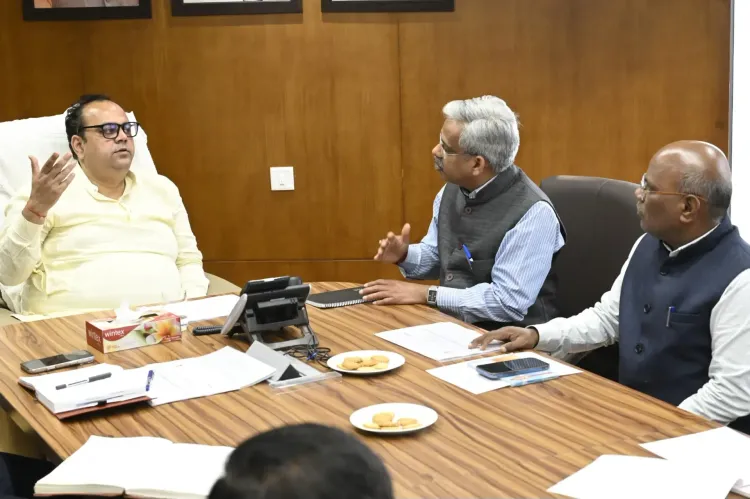
New Delhi, Feb 23 (NationPress) Delhi's Information Technology (IT) Minister, Pankaj Kumar Singh, convened a meeting on Monday with experts to explore the possibilities of enhancing a system-driven Auto-Appeal Mechanism under the Delhi (Right of Citizens to Time-Bound Delivery of Services) Act, 2011, as confirmed by an official statement.
Minister Pankaj Kumar Singh expressed, "Our aim is to create a proactive, citizen-focused governance framework where accountability is both automatic and transparent."
"The proposed Auto-Appeal Mechanism will tackle delays autonomously, relieving citizens from unnecessary burdens. We will analyze successful practices from other states to construct a robust framework for Delhi," he added.
The Delhi government is dedicated to enhancing transparency, accountability, and efficiency in public service delivery throughout the national capital, as emphasized by the Minister.
This initiative aligns with the Union Cabinet Secretariat's recommendations under the Deregulation Exercise–Phase II, which encourages states to implement regulatory and procedural reforms to boost ease of doing business and ensure effective time-bound service delivery frameworks, according to an official announcement.
During the discussion, the current structure of the Delhi RTS Act was evaluated.
Currently, 537 services are recognized under this Act and are tracked via the e-Service Level Agreement portal.
The existing mechanism necessitates applicant involvement to initiate appeals in the event of delays, with accountability primarily activated after a breach of timelines through manual inquiries, the statement noted.
The suggested system-driven method aims to facilitate automatic appeal filing right after the designated service timelines (SLA) expire, without requiring any action from the applicant.
This mechanism will also offer structured and time-sensitive escalation to higher authorities, supported by real-time dashboards and transparent monitoring.
The Haryana Right to Service framework, particularly its Auto-Appeal System, was highlighted as a benchmark model.
The Haryana model guarantees automatic escalation, clearly defined penalty provisions, and consistent digital monitoring until resolution.
The meeting focused on incorporating similar attributes within the statutory and administrative framework of Delhi.
Point of View
The ongoing discussions led by Delhi's IT Minister signify a noteworthy step towards modernizing public service delivery. The proposed Auto-Appeal Mechanism reflects a commitment to citizen-centric governance, aiming to streamline processes and reduce the administrative burden on individuals while enhancing accountability within government frameworks.
NationPress
7 Sept 2026
Frequently Asked Questions
What is the purpose of the Auto-Appeal Mechanism?
The Auto-Appeal Mechanism aims to address service delivery delays automatically, relieving citizens of the burden of initiating appeals.
How many services are currently under the Delhi RTS Act?
Currently, 537 services are recognized under the Delhi RTS Act.
What are the benefits of the proposed mechanism?
The mechanism will ensure timely resolution of service requests while providing structured escalation to higher authorities.
Which state's model is being considered for adaptation?
The Haryana Right to Service framework, especially its Auto-Appeal System, is being discussed as a model for adaptation.
How does the current system function?
The current system requires applicants to intervene to initiate appeals, activating accountability only after manual inquiries for breaches.