Has Delhi Developed 250 MW Rooftop Solar Capacity?
Synopsis
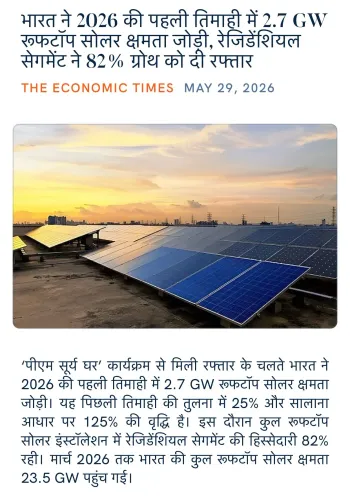
Delhi is making significant strides in renewable energy! With over 250 MW of rooftop solar capacity already established, the city aims to double this by 2027. Minister Ravinder Indraj emphasizes the government’s commitment to simplifying subsidies and enhancing connections, positioning Delhi at the forefront of India’s green energy movement.
Key Takeaways
Delhi's rooftop solar capacity has surpassed 250 MW.
Plans are in place to increase capacity to 500 MW by 2027 .
PM Surya Ghar Yojana aims to streamline solar connections.
Delhi seeks to electrify 80% of public transport by 2030.
Innovations in solar energy and technology are paving the way for a cleaner future .
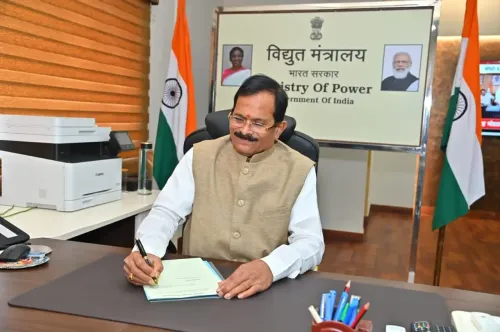
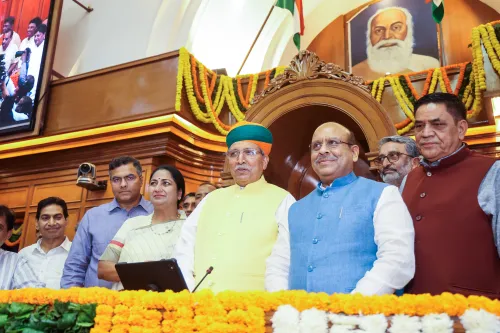
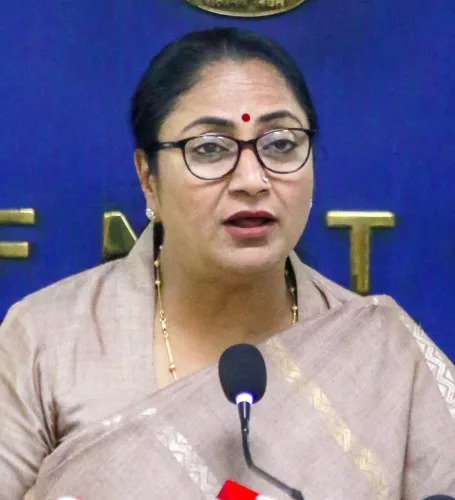
New Delhi, Oct 30 (NationPress) The Delhi Minister for Social Welfare and Cooperation, Ravinder Indraj, announced on Thursday that the city has successfully established over 250 MW of rooftop solar energy capacity, with plans to expand this to 500 MW by 2027.
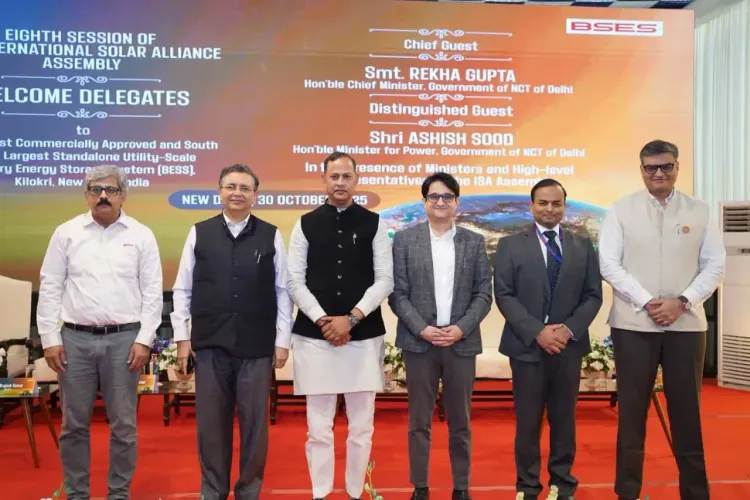
During a session at the Eighth General Assembly of the International Solar Alliance (ISA), Indraj highlighted the efforts of the Delhi government to streamline subsidy processes and expedite connections under the PM Surya Ghar - Muft Bijli Yojana.
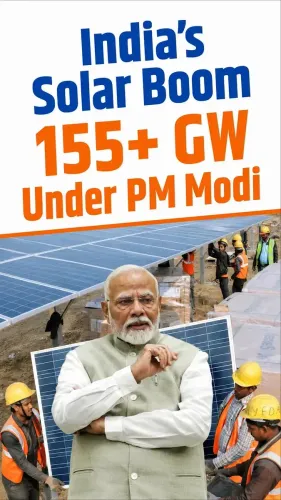
He praised Prime Minister Narendra Modi for guiding India towards becoming a Global Green Energy Hub. “Thanks to his visionary leadership, Delhi is progressing towards clean and intelligent energy solutions,” he stated.
On this occasion, the Minister, alongside global representatives, visited the Kilokari Battery Energy Storage System (BESS), recognized as South Asia’s largest standalone battery storage facility.
Indraj remarked that Delhi, with millions of residents, faces peak power demands exceeding 8,000 MW during summer months.
“Despite these challenges, under Chief Minister Rekha Gupta, the Delhi government has successfully ensured reliable electricity supply throughout the city, even reaching the most remote villages,” he added.
He pointed out that while Delhi may not have the vast land resources of other states, it is leading through innovation, solar energy, and digital technology. The city’s new Solar Policy envisions “every rooftop as a power plant.”
Under the PM Surya Ghar Yojana, the government is making strides to simplify subsidy procedures and expedite connections for residents.
The Minister also emphasized the government’s ongoing initiatives to reduce pollution by encouraging electric vehicles and enhancing EV charging infrastructure.
Delhi aims to electrify 80 percent of its public transport fleet by 2030, promoting cleaner and more sustainable mobility.
Indraj praised the efforts of BSES in integrating battery storage, rooftop solar, and smart grids to fortify Delhi’s intelligent energy ecosystem.
He specifically commended the Janakpuri Digital Distribution Division, developed by BSES, calling it a benchmark for other states across India.
Indraj concluded, “Under the visionary leadership of Prime Minister Narendra Modi and Chief Minister Rekha Gupta, we are collaborating to transform Delhi into a truly Green City and a testament to a Developed India.”
Point of View
It is evident that the government's efforts under the leadership of Prime Minister Narendra Modi and Chief Minister Rekha Gupta are paving the way for sustainable urban development. The initiatives taken not only demonstrate a dedication to environmental responsibility but also a forward-thinking approach to energy management.
NationPress
19 Oct 2026
Frequently Asked Questions
What is the current rooftop solar capacity in Delhi?
Delhi currently has over 250 MW of rooftop solar capacity, with plans to reach 500 MW by 2027.
What is the PM Surya Ghar Yojana?
The PM Surya Ghar Yojana is an initiative aimed at simplifying subsidy procedures and providing faster connections for rooftop solar installations.
How does the Delhi government plan to reduce pollution?
The Delhi government is promoting electric vehicles and expanding EV charging infrastructure to reduce pollution and enhance clean mobility.
What is the goal for public transport electrification in Delhi?
Delhi aims to electrify 80 percent of its public transport fleet by 2030.
What role does BSES play in Delhi's energy ecosystem?
BSES integrates battery storage, rooftop solar, and smart grids to strengthen Delhi’s intelligent energy ecosystem.