Is DGCA’s Tariff Monitoring Unit Keeping Airfares in Check on 78 Routes?
Synopsis
The DGCA's new Tariff Monitoring Unit is on a mission to keep airfares in check for 78 routes, ensuring transparency and fairness in airline pricing. With a focus on maintaining competitive rates, this initiative could change how airlines operate during peak demand periods.
Key Takeaways
The DGCA's Tariff Monitoring Unit oversees airfares on 78 routes.
Airfares must remain within declared ranges by airlines.
Dynamic factors influence airfare pricing significantly.
The government advises airlines to increase capacity during high-demand periods.
Capacity increases can lead to fare moderation.
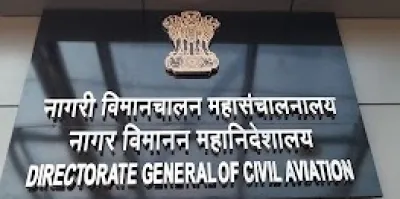
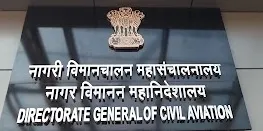
New Delhi, Dec 8 (NationPress) The Directorate General of Civil Aviation (DGCA) has established a Tariff Monitoring Unit (TMU) that conducts random monitoring of airfares on 78 selected routes on a monthly basis by utilizing information from airline websites. This initiative is aimed at ensuring that airlines do not charge airfares beyond the range they have declared, as informed to Parliament on Monday.
This monitoring encompasses approximately 27 percent of domestic air traffic. The TMU is crucial in maintaining airfare levels within the defined limits set by the airlines.
According to Murlidhar Mohol, Minister of State for Civil Aviation, in the Rajya Sabha, 'DGCA verifies that the airfares imposed by airlines stay within the boundaries established by the tariff sheets. However, in exceptional cases of non-compliance with Sub Rule (2) of Rule 135 of The Aircraft Rules, 1937, necessary directives are issued to all concerned airlines.'
While airfares are not regulated by the government, airlines possess the flexibility to determine their prices based on operational needs, while still adhering to Rule 135 of the Aircraft Rules, 1937.
Airfare pricing is influenced by dynamic fluctuations driven by the essential economic principles of supply and demand. Various factors, such as current seat occupancy, fuel prices, aircraft availability, seasonal variations, and other relevant elements significantly affect airline ticket pricing.
Furthermore, the government actively engages with scheduled airlines, advising them to increase capacity by introducing additional flights during festival seasons or events that incite a surge in demand.
In October 2025, in response to high festive demand, airlines announced an increase in flight capacities by adding 1,750 additional flights across 100 sectors. This capacity boost resulted in a general moderation of fares across most sectors, as reported by the minister.
While the government typically avoids regulating airfares to uphold market competitiveness, it maintains vigilant oversight, intervening during exceptional circumstances such as the pandemic, the Maha Kumbh festival, and the Pahalgam terror attack to ensure air travel remains affordable for passengers, stated the minister.
Point of View
I believe the DGCA's proactive approach through the Tariff Monitoring Unit is essential for fostering transparency and fairness in the airline industry. While market dynamics typically drive airfare pricing, government oversight is crucial, especially during peak travel seasons or unforeseen circumstances. This initiative is a significant step towards ensuring affordability for all passengers.
NationPress
26 Sept 2026
Frequently Asked Questions
What is the purpose of the Tariff Monitoring Unit?
The Tariff Monitoring Unit is designed to ensure that airlines do not charge airfares outside the range they have declared, thus maintaining fair pricing for passengers.
How many routes are being monitored?
The DGCA is monitoring airfares on 78 selected routes.
What factors influence airfare pricing?
Airfare pricing is influenced by supply and demand dynamics, including seat occupancy, fuel costs, aircraft capacity, and seasonal fluctuations.
Does the government regulate airfares?
No, airfares are not regulated by the government, allowing airlines to set prices based on operational needs while adhering to established rules.
When did airlines increase flight capacities?
In October 2025, airlines added 1,750 additional flights in response to high festive demand.