DGMA signs MoU with EDF to advance maritime decarbonisation in India
Synopsis
India's maritime regulator DGMA has signed a landmark MoU with the Environmental Defence Fund to fast-track green shipping — covering low-carbon fuels, shore power, and zero-emission vessels. With India targeting a top-ten shipbuilding rank by 2035 and a global hub status by 2047, the partnership signals that green credentials are no longer optional for the country's maritime ambitions.
Key Takeaways
DGMA and Environmental Defence Fund (EDF) signed an MoU on 13 October 2026 in Kolkata on maritime decarbonisation.
Key focus areas include low-carbon marine fuels , green ports , shore power , and electrification of zero- or low-emission small vessels.
Shipping companies in Indian waters have been asked to adopt ethanol-mixed marine diesel and retrofit fuel tanks accordingly.
India aims to become a global shipbuilding hub by 2047 and rank among the top ten shipbuilders by 2035 .
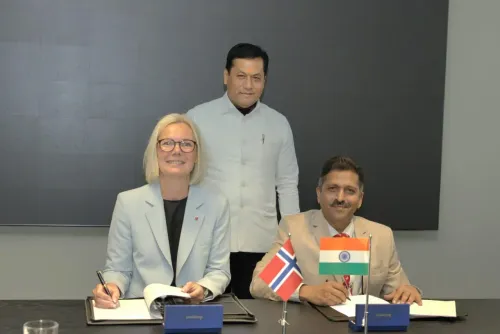
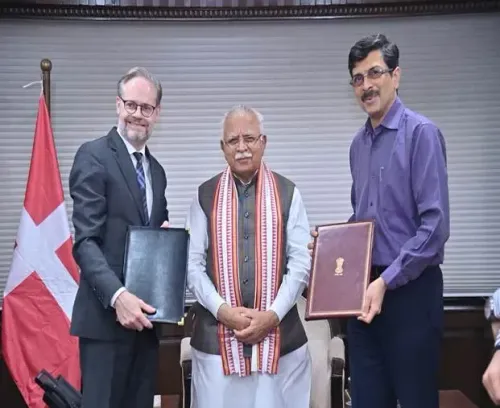
The agreement was signed by Killi Mohana Rao (DGMA) and Hisham Mundol (EDF India).
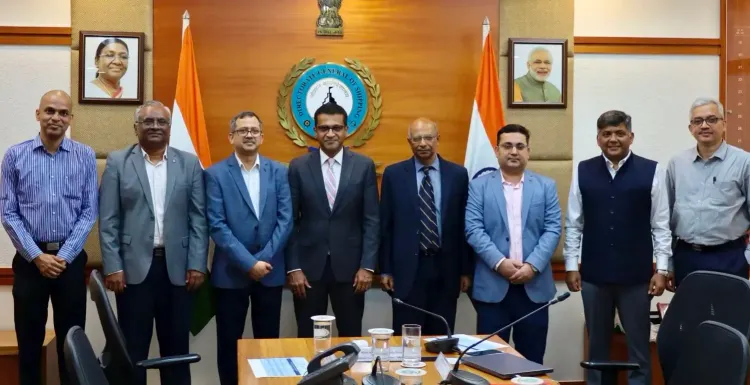
The Directorate General of Maritime Administration (DGMA), under the Ministry of Ports, Shipping and Waterways, has signed a Memorandum of Understanding (MoU) with the Environmental Defence Fund (EDF) in Kolkata on 13 October 2026, formalising a framework for collaboration on maritime decarbonisation and sustainable shipping across India. The agreement marks a significant step in India's effort to align its shipping sector with global green standards.
What the MoU Covers
The MoU was signed by Killi Mohana Rao, Chief Surveyor-cum-Additional Director General (Engineering), DGMA, and Hisham Mundol, Executive Director, India, EDF. According to the DGMA, key areas of collaboration include 'research and technical studies on low-carbon marine fuels, maritime finance and investment mechanisms, green procurement, green ports, shore power and electrification of zero- or low-emission small vessels.' The agreement also envisions capacity building, technical exchanges and stakeholder engagement to identify practical pathways for reducing greenhouse gas emissions from shipping.
India's Decarbonisation Push So Far
The DGMA has already been pushing shipping companies operating in Indian territorial waters to begin using ethanol-mixed marine diesel, with firms given time to retrofit onboard equipment and install dedicated tanks for the green fuel. Separately, initiatives are underway to design and build green tugs and other auxiliary vessels for Indian ports. Berths at major ports are also being fitted with charging points to support hybrid and electric vessels without affecting operational performance.
Global Shift to Hybrid Technology
The moves come as global shipping undergoes a structural transition. With multiple countries imposing restrictions on high-emission vessels, large cargo ships are increasingly adopting hybrid propulsion systems that allow them to switch to electricity when berthed or anchored. India's greening plans mirror this trend, covering hybrid ferries, support vessels, tugs and cargo-handling equipment. The Ministry also plans to extend green technology to passenger and goods movement along India's coastline and national waterways.
The 2047 Shipbuilding Vision
The DGMA-EDF partnership carries strategic weight beyond emissions compliance. India has set an ambition to become a global shipbuilding hub by 2047, with an interim target of ranking among the top ten shipbuilders in the world by 2035. Industry analysts note that green technology adoption in Indian shipyards will be a prerequisite for accessing major international contracts, as European and East Asian buyers increasingly mandate low-emission vessels. 'This initiative reflects DGMA's continued efforts towards promoting sustainable maritime development, facilitating the adoption of cleaner technologies and strengthening India's competitiveness and leadership in the global maritime sector,' the DGMA said in a statement.
What Comes Next
The collaboration is expected to generate research outputs on alternative marine fuels and financing models that can help Indian shipping companies manage the cost of green transitions. With India's shipbuilding ambitions tied directly to green credentials, the pace at which DGMA translates this framework into operational policy will be closely watched by the sector.
Point of View
But enforcement and financing remain weak links. The 2047 shipbuilding hub target is credible only if Indian yards can build vessels that meet the IMO's 2030 and 2050 emission thresholds; otherwise, international orders will go to South Korea and China, which are already ahead on green ship design. What this MoU needs to produce quickly is bankable financing models — because the cost of retrofitting and newbuilds is the real barrier, not the intent.
NationPress
13 Oct 2026
Frequently Asked Questions
What is the DGMA-EDF MoU on maritime decarbonisation?
It is a Memorandum of Understanding signed on 13 October 2026 between India's Directorate General of Maritime Administration and the Environmental Defence Fund to collaborate on reducing greenhouse gas emissions from shipping. Key areas include low-carbon marine fuels, green ports, shore power, and electrification of small vessels.
Why does maritime decarbonisation matter for India?
India aims to become a global shipbuilding hub by 2047 and enter the top ten shipbuilders list by 2035. Adopting green technology is increasingly a prerequisite for winning international shipbuilding contracts, as major buyers in Europe and East Asia mandate low-emission vessels.
What steps has DGMA already taken on green shipping?
DGMA has directed shipping companies operating in Indian territorial waters to begin using ethanol-mixed marine diesel and has allowed time for onboard retrofitting. Initiatives to build green tugs and auxiliary vessels, as well as port berth electrification, are also underway.
Who signed the MoU and on behalf of which organisations?
The MoU was signed by Killi Mohana Rao, Chief Surveyor-cum-Additional Director General (Engineering) of DGMA, and Hisham Mundol, Executive Director, India, of the Environmental Defence Fund.
What will the DGMA-EDF collaboration produce?
The collaboration is expected to generate research on alternative marine fuels, maritime financing mechanisms for green transitions, and technical guidance on green procurement and shore power. It also includes capacity building and stakeholder engagement to chart practical emission-reduction pathways for the Indian shipping sector.