CM Naidu Signs MoUs with NSIC, QCI, PFRDA for AP MSMEs

Synopsis
The Government of Andhra Pradesh signed MoUs with NSIC, QCI, and PFRDA on 26 May 2026 to strengthen its MSME ecosystem through digital commerce onboarding under the TEAM Scheme, ZED quality certifications, and expanded National Pension System coverage for small business owners and workers.
Key Takeaways
GoAP signed MoUs with NSIC , QCI , and PFRDA on 26 May 2026 to support the state's MSME sector.
The NSIC agreement focuses on onboarding MSMEs onto ONDC-enabled digital commerce platforms under the TEAM Scheme .
The QCI MoU targets 1,000 Silver and 100 Gold ZED Certifications backed by GoAP incentives.
The PFRDA agreement aims to expand National Pension System (NPS) awareness and adoption among MSME owners and workers.
The initiatives are part of CM N.
Chandrababu Naidu 's broader push to make Andhra Pradesh's MSME ecosystem more competitive and resilient.
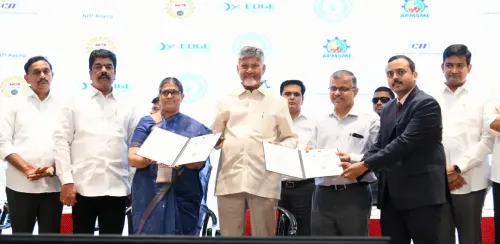
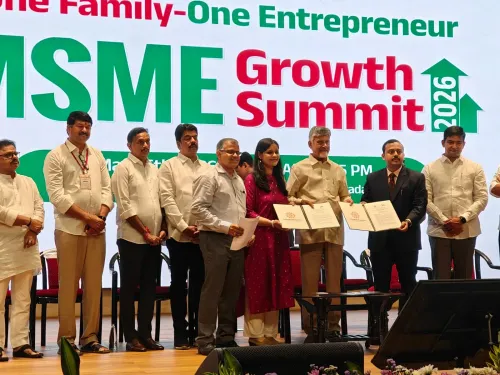
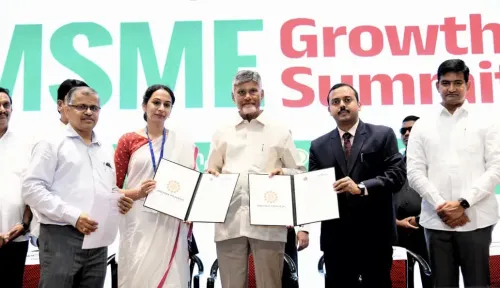
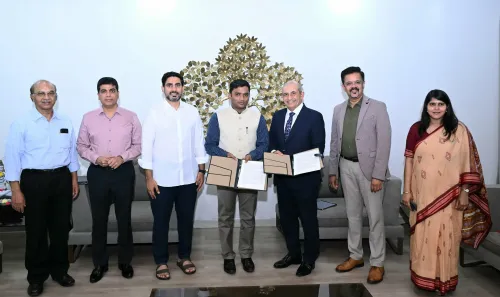
Andhra Pradesh Chief Minister N. Chandrababu Naidu announced on Monday, 26 May 2026 that the Government of Andhra Pradesh (GoAP) has signed Memoranda of Understanding with three central bodies — the National Small Industries Corporation (NSIC), the Quality Council of India (QCI), and the Pension Fund Regulatory and Development Authority (PFRDA) — to deepen support for the state's MSME ecosystem.
Context
The agreements were announced under the hashtag #MSMEwaveInAP, signalling a concerted push by the TDP-led government to position Andhra Pradesh as a competitive destination for small and medium enterprises. The MoUs span three distinct pillars: digital commerce integration, quality certification, and social security expansion. Chief Minister Naidu stated that these collaborations 'will help build a more competitive, resilient, and future-ready MSME ecosystem in Andhra Pradesh.'
Policy Backdrop
The MoU with NSIC — a public sector enterprise under the Union Ministry of MSME — focuses on onboarding small businesses onto digital commerce platforms, including those enabled by the Open Network for Digital Commerce (ONDC), under the state's TEAM Scheme. ONDC, promoted by the Government of India since 2022, aims to democratise e-commerce access for smaller enterprises beyond large proprietary platforms.
The agreement with QCI — an autonomous body established in 1997 — targets quality excellence through the Zero Defect Zero Effect (ZED) Certification programme, a nationally launched scheme from 2016. GoAP has set a stated vision to facilitate 1,000 Silver and 100 Gold ZED certifications, with state government incentives supporting the process. The ZED scheme is designed to encourage MSMEs to adopt quality manufacturing practices while minimising environmental impact.
The third MoU, with PFRDA — the statutory regulator of the National Pension System (NPS) since 2003 — aims to expand awareness and adoption of NPS among MSME owners and workers. NPS was extended to the unorganised sector to address the historically low pension coverage among self-employed and informal workers, a demographic that constitutes the bulk of the MSME workforce.
Stakeholders and Impact
The primary beneficiaries are MSME owners and workers across Andhra Pradesh, who stand to gain from improved market access through digital platforms, recognition and business advantage through quality certifications, and long-term financial security through pension enrolment. Small manufacturers in the state's industrial clusters — including those in Visakhapatnam, Vijayawada, and Tirupati — are expected to be among the early targets for outreach under these programmes.
Nationally, India has pursued MSME formalisation through a combination of digital integration, quality upgrades, and social protection, particularly following the disruptions of 2016 demonetisation and the 2020 pandemic. Andhra Pradesh's alignment with NSIC, QCI, and PFRDA reflects a broader state-level strategy of leveraging central regulatory infrastructure to scale support beyond credit access into technology adoption and worker welfare.
What's Next
Attention will now turn to the state-level implementation timelines for ZED certification enrolments and NPS outreach campaigns under the new MoUs. The specific GoAP incentive structure for ZED certifications and any budget provisions for the next fiscal year will be closely watched by industry bodies and MSME associations in the state. The success of the TEAM Scheme's digital onboarding component will also depend on last-mile connectivity and awareness drives in smaller industrial clusters.
Point of View
Quality competitiveness, and social security. Anchoring the initiative to central regulators such as NSIC, QCI, and PFRDA allows Andhra Pradesh to leverage existing national infrastructure while framing the state as a proactive implementation partner. The ZED certification targets — 1,000 Silver and 100 Gold — are specific enough to serve as measurable political deliverables ahead of future electoral cycles. Cumulatively, this positions the TDP government's MSME agenda as broad-based and institution-backed, rather than purely incentive-driven.
NationPress
11 Oct 2026
Frequently Asked Questions
What MoUs did Andhra Pradesh sign for MSMEs in May 2026?
The Government of Andhra Pradesh signed MoUs with the National Small Industries Corporation (NSIC), the Quality Council of India (QCI), and the Pension Fund Regulatory and Development Authority (PFRDA) on 26 May 2026 to strengthen the state's MSME ecosystem through digital commerce, quality certification, and pension inclusion.
What is the TEAM Scheme mentioned in the Andhra Pradesh MSME MoU?
The TEAM Scheme refers to a Trade Enablement and Marketing support framework under which MSMEs in Andhra Pradesh will be onboarded onto digital commerce and ONDC-enabled platforms through the MoU signed with NSIC.
What is ZED Certification and how does it benefit MSMEs in Andhra Pradesh?
ZED stands for Zero Defect Zero Effect, a national certification scheme launched in 2016 to promote quality manufacturing among MSMEs. Under the QCI MoU, Andhra Pradesh aims to facilitate 1,000 Silver and 100 Gold ZED certifications with state government incentives supporting the process.
How does the PFRDA MoU help MSME workers in Andhra Pradesh?
The MoU with PFRDA aims to expand awareness and adoption of the National Pension System (NPS) among MSME owners and workers in Andhra Pradesh, providing them access to structured long-term social security and pension benefits.
What is Chandrababu Naidu's MSME policy for Andhra Pradesh?
Chief Minister N. Chandrababu Naidu has pursued an MSME policy focused on digital integration, quality upgrades, and social security, as demonstrated by the May 2026 MoUs with NSIC, QCI, and PFRDA under the broader #MSMEwaveInAP initiative.