CM Dhami Grants Out-of-Turn Govt Jobs to Medal-Winning Athletes
Synopsis
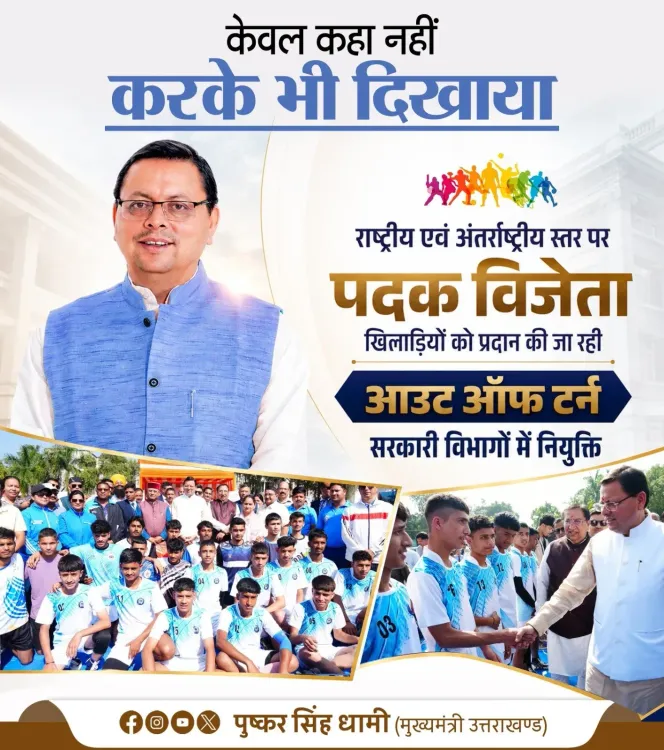
Uttarakhand Chief Minister Pushkar Singh Dhami has announced out-of-turn government appointments for medal-winning athletes at national and international competitions, aiming to make sports a credible career path for the state's youth.
Key Takeaways
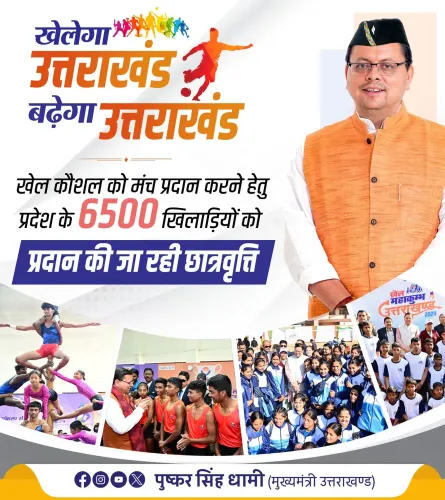
CM Pushkar Singh Dhami announced out-of-turn government appointments for Uttarakhand athletes who win medals at national and international competitions.
The policy is intended to boost morale among existing athletes and encourage Uttarakhand's youth to pursue sports as a career.
Out-of-turn appointments allow medal winners to bypass the standard seniority queue in state government recruitment.
The move aligns with a broader national trend of job-linked incentives for sportspersons, reinforced by the central government's Khelo India programme launched in 2017 .
Implementation details — including the number of posts, eligible disciplines, and qualifying competition levels — are yet to be made public.
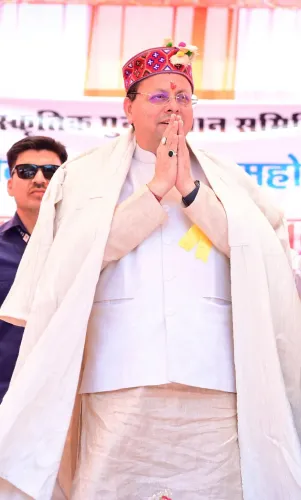
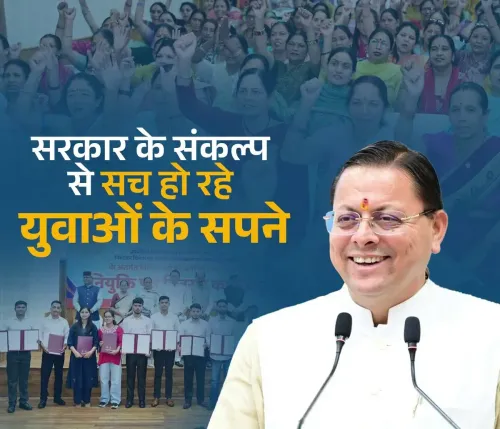
Uttarakhand Chief Minister Pushkar Singh Dhami announced on Monday, 15 June 2026 that his government has extended out-of-turn government appointments to sportspersons who have won medals at national and international competitions, framing the move as a structural push to make sports a viable career option for the state's youth.
In his post, CM Dhami wrote: 'हमारी सरकार ने प्रदेश में खेलों को बढ़ावा देने और खिलाड़ियों का मनोबल बढ़ाने के लिए राष्ट्रीय एवं अंतर्राष्ट्रीय स्तर पर उत्कृष्ट प्रदर्शन कर पदक जीतने वाले खिलाड़ियों को आउट-ऑफ-टर्न सरकारी नियुक्ति प्रदान की है।' ('Our government has provided out-of-turn government appointments to athletes who have won medals by performing excellently at the national and international level, in order to promote sports in the state and boost the morale of players.')
Context
Dhami further described the decision as 'not merely a symbol of honour for athletes, but an important step towards inspiring youth to take up sports and establishing sports as a better career option.' The announcement positions Uttarakhand alongside several other Indian states that have introduced job-linked incentives to retain and reward sporting talent within the public sector.
Out-of-turn appointments bypass the standard merit-and-seniority queue in government recruitment, granting medal-winning athletes direct entry into state services. The mechanism is designed to address a long-standing gap: elite athletes in India often face uncertain professional futures once their competitive careers wind down.
Policy Backdrop
The practice of reserving government jobs for outstanding sportspersons has roots in central government policy dating back to the 1990s, when public sector undertakings began offering preferential recruitment to medal winners. Over time, state governments adopted and adapted the model, with varying eligibility criteria tied to the level of competition — district, state, national, or international.
The Khelo India programme, launched in 2017 by the central government, reinforced this direction by linking grassroots talent identification with career support pathways. Uttarakhand, a Himalayan state with a tradition of producing athletes in disciplines such as mountaineering, athletics, and combat sports, has previously invested in sports infrastructure across budget cycles under successive administrations.
Stakeholders and Impact
The primary beneficiaries are medal-winning athletes from Uttarakhand who have competed at recognised national and international tournaments. For these sportspersons, a government appointment provides financial security and social standing — factors that can meaningfully influence a family's decision to support a child's sporting ambitions from an early age.
Broader youth in the state stand to benefit indirectly: if government employment is seen as a credible outcome of sporting excellence, participation rates and the pipeline of talent entering competitive circuits are likely to grow. Coaches, sports academies, and district-level sports bodies are also stakeholders, as increased athlete motivation typically translates into greater demand for structured training.
What's Next
The immediate focus will shift to implementation — specifically, the number of appointments being made, the disciplines and competition levels that qualify, and the departments to which athletes will be assigned. Observers will also watch whether the Uttarakhand government follows this announcement with complementary measures such as enhanced sports infrastructure funding or expanded talent-scouting programmes in the upcoming budget session. If the policy demonstrably increases medal tallies at national games or boosts Olympic-pathway participation, it could serve as a template for other hill states seeking to channel youth energy into competitive sport.
Point of View
But it carries particular political salience in Uttarakhand, where youth unemployment and out-migration remain persistent concerns. By tying government jobs to medals, the BJP-led state government is simultaneously signalling welfare intent toward athletes and offering a tangible incentive that resonates with aspirational families in smaller towns and hill districts. The move also dovetails with the Centre's push to improve India's Olympic medal tally by building a deeper pipeline of state-supported talent. Whether the policy produces measurable sporting outcomes will depend entirely on the rigour and transparency of its implementation.
NationPress
25 Sept 2026
Frequently Asked Questions
What is the out-of-turn government appointment policy for athletes in Uttarakhand?
The Uttarakhand government under CM Pushkar Singh Dhami has announced that athletes who win medals at national or international competitions will receive direct government appointments, bypassing the standard seniority and merit queue in state recruitment.
Who is eligible for out-of-turn government jobs under Dhami's sports policy?
Medal-winning sportspersons who have performed at the national or international level are eligible, though specific details on qualifying disciplines and competition tiers are yet to be officially notified.
Why is Uttarakhand giving government jobs to athletes?
The stated aim is to boost the morale of medal-winning athletes, encourage more young people in Uttarakhand to take up sports, and establish sports as a credible career option rather than a high-risk pursuit.
Is out-of-turn appointment for sportspersons a new policy in India?
No. Central government and several state governments have offered preferential recruitment to outstanding athletes since the 1990s. The Khelo India programme launched in 2017 further reinforced career-support pathways for sportspersons across states.
What happens next after CM Dhami's sports appointment announcement?
Attention will turn to the official notification detailing the number of posts, eligible events, and departments involved, as well as any complementary sports infrastructure measures in the Uttarakhand budget.