CM Dhami launches digital learning sets in 6 Champawat schools
Synopsis
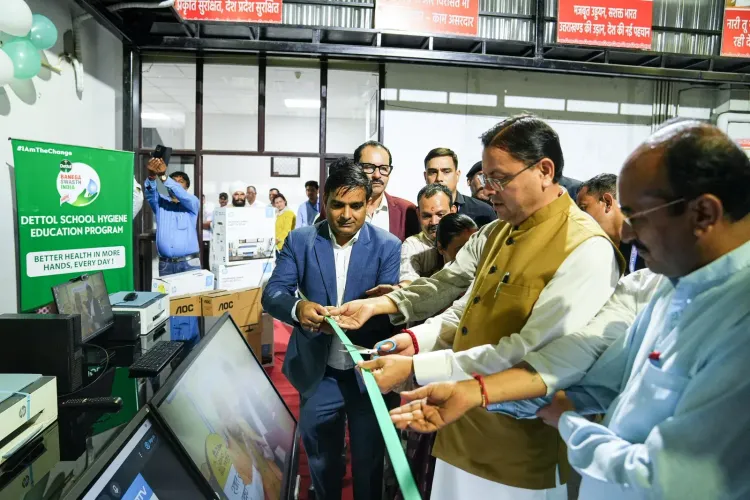
Uttarakhand CM Pushkar Singh Dhami inaugurated CSR-funded digital learning sets in six Saraswati Shishu and Vidya Mandir schools across Champawat district's Lohaghat, Pati, Barakot, and Champawat blocks, backed by Reckitt Group, under the state's Viksit Uttarakhand vision.
Key Takeaways
Six schools in Champawat district — spread across Lohaghat, Pati, Barakot, and Champawat blocks — received digital learning sets on 24 September 2026 .
The initiative was funded under CSR contributions from the Reckitt Group , a multinational consumer-goods company active in education and health projects in India.
The beneficiary schools belong to the Saraswati Shishu and Vidya Mandir network run under Vidya Bharati, serving students largely from modest rural backgrounds.
CM Dhami cited a three-way partnership — government, civil society, and the corporate sector — as the model for delivering education, skill development, and health outcomes.
The launch aligns with India's National Education Policy 2020 goal of equitable digital access in school education, applied here to a remote hill district.
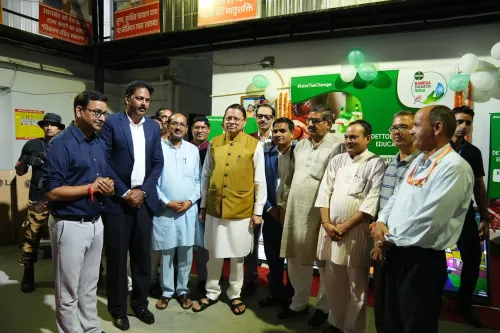
Six schools tucked into the hills of Champawat district got a technology upgrade on Thursday, 24 September 2026, as Uttarakhand Chief Minister Pushkar Singh Dhami inaugurated digital learning sets across Saraswati Shishu and Vidya Mandir schools in the Lohaghat, Pati, Barakot, and Champawat blocks — a push to bring modern classrooms to one of the state's more remote corners.
The digital sets were rolled out under Corporate Social Responsibility (CSR) funding from the Reckitt Group, the multinational consumer-goods company with an active CSR footprint in health and education across India. CM Dhami described the initiative in his own words: 'iss se vidyarthiyon ko aadhunik, gunavattapurn evam taknik aadharit shiksha ke naye avsar milenge' — 'students will get new opportunities for modern, quality, and technology-based education.'
Why Champawat, and why Reckitt
Champawat is one of Uttarakhand's smaller hill districts, where geography has long made infrastructure investment both critical and difficult. The four blocks named — Lohaghat, Pati, Barakot, and Champawat — cover dispersed rural populations whose schools have historically lagged in digital resources. Reckitt Group's involvement channels private capital directly into that gap, a model the state government has been actively courting.
The Saraswati Shishu and Vidya Mandir network, operated under Vidya Bharati, provides value-based schooling across multiple Indian states, including a significant presence in Uttarakhand. These schools serve large numbers of students from modest backgrounds, making the digital upgrade consequential for a demographic that rarely gets early access to ed-tech tools.
CSR-led model and the Viksit Uttarakhand vision
CM Dhami framed the launch not as a one-off event but as a proof of concept for a three-way partnership. 'The collaboration between government, society, and the corporate world,' he said, 'is turning new possibilities in education, skill development, health, and technology into real opportunities — strengthening the resolve of a Viksit Uttarakhand [Developed Uttarakhand].'
That framing tracks directly with India's National Education Policy 2020, which places technology integration and equitable digital access at the centre of school reform. For a hill state where connectivity and infrastructure costs are higher than the plains, CSR partnerships offer a practical bridge between policy intent and classroom reality.
The immediate question now is replication: whether similar digital sets reach additional blocks across Champawat and neighbouring districts, and whether any state-level mechanism will track whether learning outcomes actually improve in the six schools that went first.
Point of View
CM Dhami is also signalling to corporate partners that there is a coherent state-level development narrative to plug into, not just ad-hoc philanthropy. The choice of Vidya Bharati-affiliated schools adds an ideological consistency that aligns with the BJP's broader education policy preferences. The real test, however, is whether this stays a ribbon-cutting moment or seeds a verifiable improvement in learning outcomes that the state chooses to measure and publish.
NationPress
25 Sept 2026
Frequently Asked Questions
What are the digital learning sets launched in Champawat Uttarakhand?
The digital learning sets are technology-based educational tools inaugurated in six Saraswati Shishu and Vidya Mandir schools across the Lohaghat, Pati, Barakot, and Champawat blocks of Champawat district, funded through CSR support from Reckitt Group to provide modern, quality learning resources to students in hill areas.
Which company funded the CSR education project in Uttarakhand schools?
Reckitt Group, the multinational consumer-goods company known internationally as Reckitt Benckiser, funded the digital learning sets under its Corporate Social Responsibility programme focused on education and health in India.
What is Saraswati Shishu Vidya Mandir and which organisation runs it?
Saraswati Shishu and Vidya Mandir schools are part of a network operated by Vidya Bharati, an organisation that runs value-based schools across multiple Indian states, including a significant number in Uttarakhand.
What is Viksit Uttarakhand and how does this initiative relate to it?
Viksit Uttarakhand, meaning 'Developed Uttarakhand,' is the state government's vision for human capital and infrastructure development. CM Dhami has positioned the CSR-funded digital education drive as a direct contribution to this goal through government-society-corporate partnerships.
How does India's NEP 2020 connect to Uttarakhand's digital school push?
India's National Education Policy 2020 prioritises technology integration and equitable digital access in school education. Uttarakhand's use of CSR funds to bring digital learning sets to remote Champawat district schools directly implements that policy intent at the grassroots level.