CM Dhami to Establish Two Literature Villages in Uttarakhand
Synopsis
Chief Minister Pushkar Singh Dhami has announced plans to establish two Sahitya Gram (Literature Villages) in Uttarakhand, aiming to promote literary tourism and diversify the Himalayan state's tourism economy beyond pilgrimage and adventure segments.
Key Takeaways
CM Pushkar Singh Dhami announced the establishment of two Sahitya Gram (Literature Villages) in Uttarakhand on 27 July 2026 .
The initiative is explicitly aimed at promoting literary tourism as a distinct economic segment in the state.
Uttarakhand has pursued tourism diversification since its formation in 2000 , with cultural and experiential segments gaining focus alongside pilgrimage and adventure travel.
Local communities, writers, literary tourists, and cultural practitioners are the primary intended beneficiaries.
Site selection, budgetary provisions, and implementation timelines for the two villages are yet to be publicly announced.
The model mirrors similar niche cultural tourism initiatives undertaken by other Indian states with rich literary and heritage identities.
The Chief Minister's Office of Uttarakhand announced on Monday, 27 July 2026 that Chief Minister Pushkar Singh Dhami has proposed the establishment of two 'Sahitya Gram' (Literature Villages) in the state, a move aimed at promoting literary tourism as a distinct segment of Uttarakhand's broader tourism economy.
Context
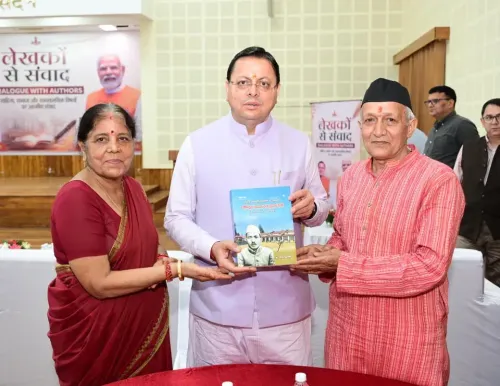
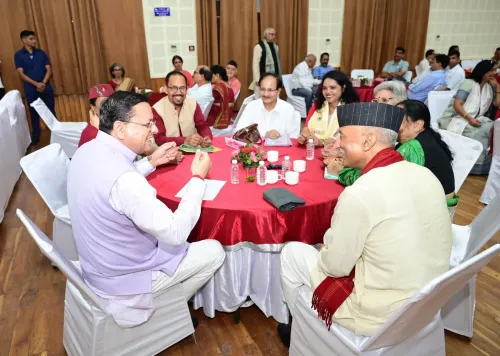
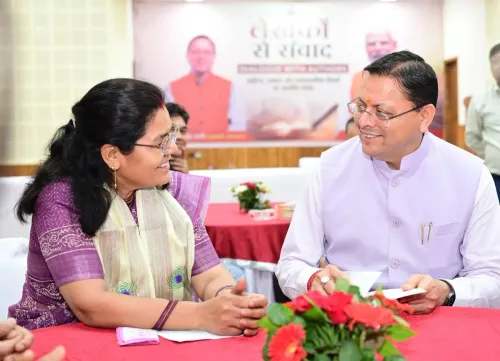
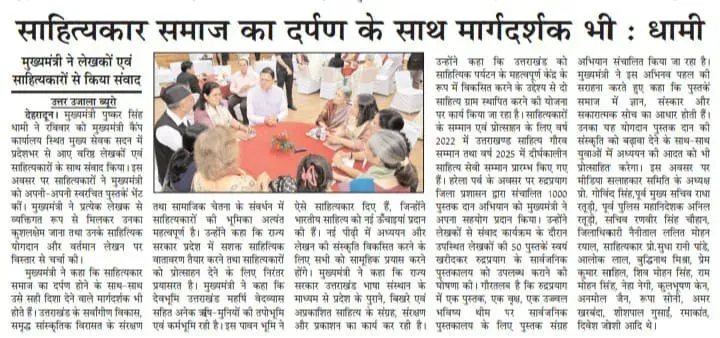
The Chief Minister's Office shared the announcement with the headline: 'Do Sahitya Gram karenge sthapit, sahityik paryatan ko milega badhawa' ('Two Literature Villages will be established, literary tourism will get a boost'). The statement was attributed directly to CM Pushkar Singh Dhami, signalling a formal policy intent from the state government. The post was accompanied by three images, underscoring the seriousness of the initiative.
A Sahitya Gram is conceived as a dedicated settlement or precinct that celebrates literary heritage — combining spaces for writers, readers, cultural exchange, and tourism infrastructure. The concept draws from the tradition of literary retreats and cultural villages seen in various parts of the world and increasingly within India.
Policy Backdrop
Since its formation in 2000, Uttarakhand has consistently positioned tourism as a primary economic pillar, with successive governments expanding beyond pilgrimage and adventure segments into cultural and experiential tourism. Homestay schemes, heritage walks, and eco-tourism corridors have already been part of the state's toolkit.
Indian states with rich literary and cultural histories have increasingly pursued niche tourism models — literary villages, heritage precincts, and art residencies — to diversify revenue streams and energise rural economies. Uttarakhand's Himalayan landscape, combined with its deep association with Sanskrit scholarship, folk traditions, and modern Hindi literature, provides a natural foundation for such an initiative. The move also aligns with broader national goals of sustainable, low-footprint tourism in ecologically sensitive regions.
Stakeholders and Impact
Local communities in the villages selected for the Sahitya Gram project stand to benefit most directly through increased footfall, demand for homestays, and cultural programming. Writers, academics, and literary tourists — a growing demographic in India's domestic travel market — represent the primary audience the initiative seeks to attract.
For Uttarakhand, where seasonal tourism concentration around pilgrimage circuits such as the Char Dham creates infrastructure stress, literary tourism offers a year-round, low-impact alternative. Small publishers, artisans, and cultural performers could also find new platforms within a Sahitya Gram ecosystem.
What's Next
The key questions now are the selection of locations for the two proposed literature villages and whether the initiative will be backed by dedicated budgetary provisions in the Uttarakhand state assembly. Implementation timelines and the administrative framework — whether through the tourism department, a cultural authority, or a special purpose vehicle — are yet to be publicly detailed.
If the state follows through with concrete site selection and funding, the Sahitya Gram initiative could serve as a replicable model for other Himalayan and hill states seeking to blend cultural preservation with economic development. The coming weeks of legislative and departmental activity will be the first indicator of how quickly the announcement translates into ground-level action.
Point of View
Low-controversy initiatives to signal governance ambition while also serving genuine economic diversification goals. For Uttarakhand, whose tourism economy is heavily weighted toward religious circuits, literary villages represent a thoughtful hedge against seasonal concentration and ecological overload. The initiative also carries soft political value — associating the BJP-led state government with cultural stewardship at a time when literary and heritage identity is a live national conversation. The real test will be in execution: whether site selection is merit-based, funding is ring-fenced, and communities are genuinely co-designed into the model, or whether the announcement remains aspirational.
NationPress
25 Oct 2026
Frequently Asked Questions
What is a Sahitya Gram in Uttarakhand?
A Sahitya Gram, or Literature Village, is a proposed dedicated settlement designed to celebrate literary heritage, host writers and readers, and attract cultural tourists. CM Pushkar Singh Dhami announced plans to establish two such villages in Uttarakhand on 27 July 2026.
Where will the Sahitya Gram be located in Uttarakhand?
The specific locations for the two proposed Sahitya Gram have not yet been publicly announced. Site selection is one of the key next steps expected from the state government.
What is literary tourism and why is Uttarakhand pursuing it?
Literary tourism involves travel to destinations associated with writers, books, or cultural heritage. Uttarakhand is pursuing it to diversify its tourism economy beyond pilgrimage and adventure segments, reduce seasonal pressure on popular sites, and generate year-round income for local communities.
Who announced the Sahitya Gram initiative?
Chief Minister Pushkar Singh Dhami announced the initiative, as shared by the official Chief Minister's Office of Uttarakhand on 27 July 2026.
How does Uttarakhand's Sahitya Gram compare to similar initiatives in other Indian states?
Several Indian states with rich literary or cultural histories have developed heritage villages, art residencies, and literary precincts to attract niche tourists. Uttarakhand's Sahitya Gram follows this broader national trend of integrating cultural identity with sustainable economic development.