CM Dhami Tells Mayors: You Are First Citizens of Your Cities
Synopsis
Uttarakhand Chief Minister Pushkar Singh Dhami told mayors and municipal chairpersons they are the 'first citizens' of their cities, with primary responsibility for cleanliness and citizen services. The Chief Minister's Office shared the message on X, framing urban local body leaders as direct representatives of residents' aspirations and core delivery agents of municipal governance across the hill state.
Key Takeaways
CM Pushkar Singh Dhami addressed mayors and municipal chairpersons as the 'first citizens' of their cities.
The Chief Minister stressed responsibility for cleanliness and every kind of facility for residents.
Uttarakhand has 110 urban local bodies spanning corporations, councils and nagar panchayats.
The framing aligns with the Swachh Bharat Mission (2014) and the 74th Constitutional Amendment .
Message signals continued focus on municipal accountability under the Dhami government.
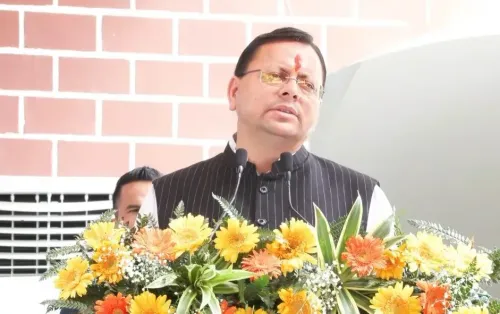
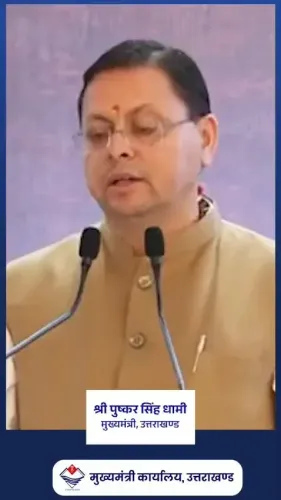
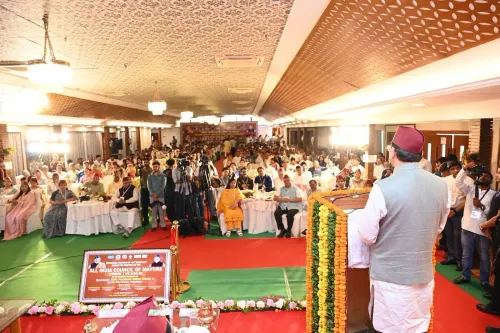
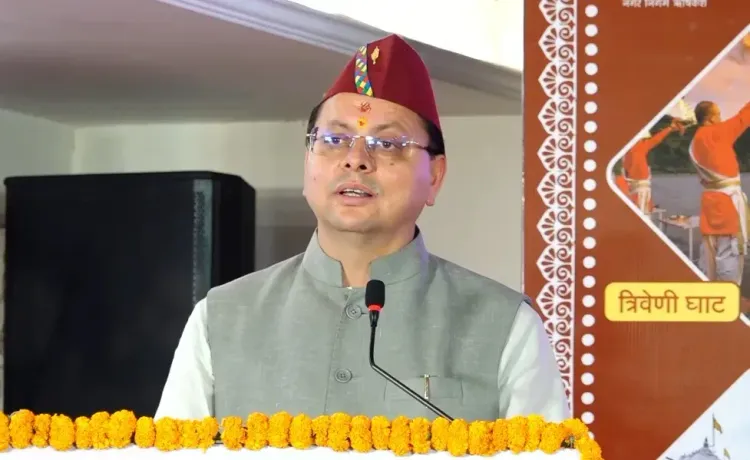
The Chief Minister's Office of Uttarakhand on 3 June 2026 shared remarks by Chief Minister Pushkar Singh Dhami addressed to municipal heads across the state, reminding them that they carry the primary responsibility for urban cleanliness and citizen services. The post framed mayors and municipal chairpersons as the 'first citizens' of their respective cities and the direct representatives of urban residents' expectations.
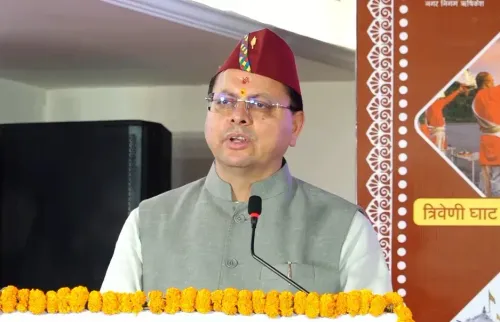
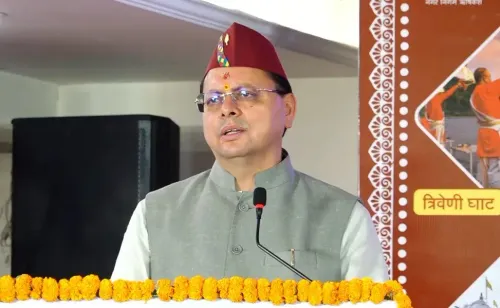
In the message, the Chief Minister told the gathered civic leaders: 'You are all the first citizens of your respective cities. The responsibility of making cities clean and providing every kind of facility to people rests on your shoulders. You are the representatives of the expectations and aspirations of the citizens of your cities.' The original Hindi phrasing — प्रथम नागरिक (first citizens) — is the formal designation used in India for mayors and municipal chairpersons.
Context
Uttarakhand has 110 urban local bodies, ranging from large municipal corporations in Dehradun, Haridwar and Haldwani to smaller nagar panchayats serving hill towns. Their elected heads oversee solid waste management, water supply, street lighting, sanitation drives and local infrastructure — services that directly shape residents' daily lives.
Pushkar Singh Dhami, who has served as Chief Minister of Uttarakhand since March 2021, has repeatedly used such interactions to anchor governance expectations at the municipal level. The latest remarks continue that emphasis, restating that cleanliness and service delivery are not auxiliary functions but the core mandate of city governments.
Policy backdrop
The framing aligns with the national Swachh Bharat Mission, launched in 2014, which placed sanitation and waste management at the centre of urban governance and made urban local bodies the principal delivery agents. Subsequent missions on smart cities, urban transformation and water security have reinforced the same devolved model, where elected municipal heads are accountable for outcomes on the ground.
By invoking the 'first citizen' formulation, the Chief Minister underscored the constitutional and civic weight attached to the office of mayor and municipal chairperson under the 74th Constitutional Amendment, which institutionalised urban local self government in India.
Stakeholders and impact
The immediate audience comprises mayors, municipal chairpersons and senior officials of Uttarakhand's urban local bodies, who are expected to translate the directive into measurable cleanliness and service delivery action in their wards.
City residents are the eventual stakeholders. In a state where urban centres also serve as gateways to major pilgrimage and tourism circuits — including Char Dham routes and hill destinations — the quality of municipal services has implications well beyond local populations, affecting visitor experience and the state's tourism economy.
For municipal leaders, the message also carries a political signal: that performance on visible civic indicators will be tracked, and that the state government views them as the public face of governance in their cities.
What's next
Attention will turn to whether the state government follows the message with structured performance reviews, capacity building programmes or fresh guidelines for urban local bodies. Periodic cleanliness assessments, citizen service benchmarks and ward level audits are the usual instruments through which such directives are operationalised.
If acted upon consistently, the Chief Minister's 'first citizen' framing could sharpen accountability at the municipal tier — the level of government Indians interact with most often, yet which often receives the least political spotlight.
Point of View
The political logic of foregrounding mayors is clear. The message also fits a broader pattern across BJP ruled states of using cleanliness and service delivery as governance metrics tied to national missions. Whether rhetoric converts into measurable change will depend on follow up review mechanisms.
NationPress
20 Oct 2026
Frequently Asked Questions
Who is the first citizen of a city in India?
CM Pushkar Singh Dhami told mayors and municipal chairpersons that they are the 'first citizens' of their cities, carrying the responsibility of keeping cities clean and providing every kind of facility to residents. He described them as representatives of citizens' expectations and aspirations.
How many urban local bodies does Uttarakhand have?
Uttarakhand has 110 urban local bodies, including municipal corporations, municipal councils and nagar panchayats. They handle sanitation, water supply, waste management and local infrastructure across the state's cities and towns.
What is the role of urban local bodies under Swachh Bharat Mission?
Under the Swachh Bharat Mission launched in 2014, urban local bodies are the primary delivery agents for sanitation and solid waste management. They are responsible for achieving cleanliness targets, building public toilets and improving citizen services in their jurisdictions.
Since when has Pushkar Singh Dhami been Chief Minister of Uttarakhand?
Pushkar Singh Dhami has served as Chief Minister of Uttarakhand since March 2021. He has continued in office through subsequent state political developments and frequently engages with municipal and district level leadership on governance issues.