CM Dhami Stresses Grassroots Connect as Governance Cornerstone
Synopsis
Uttarakhand CM Pushkar Singh Dhami on 24 September 2026 highlighted affection from villagers and local elected representatives as the core strength of public service, reaffirming his administration's commitment to ground-level governance.
Key Takeaways
CM Pushkar Singh Dhami posted on 24 September 2026 emphasising the importance of direct engagement with rural communities and public representatives.
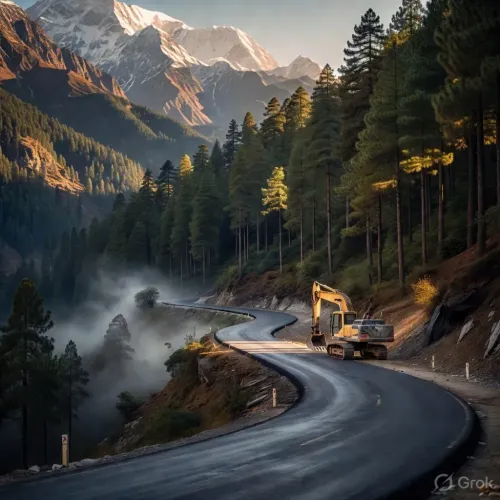
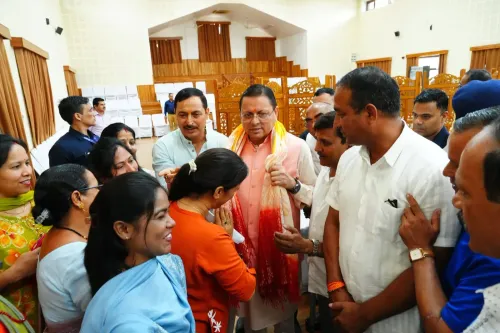
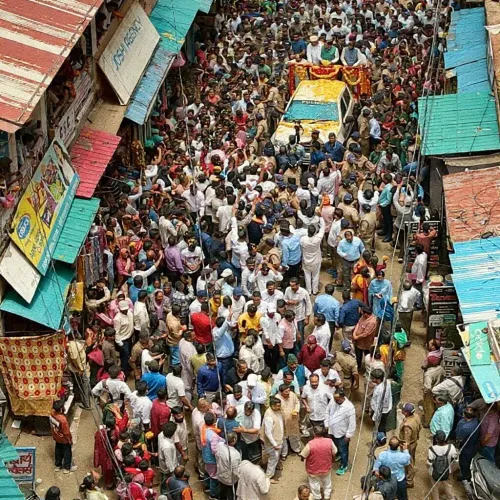
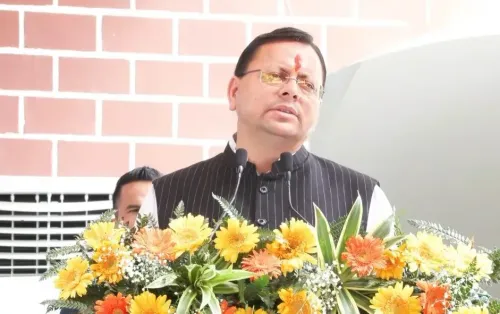
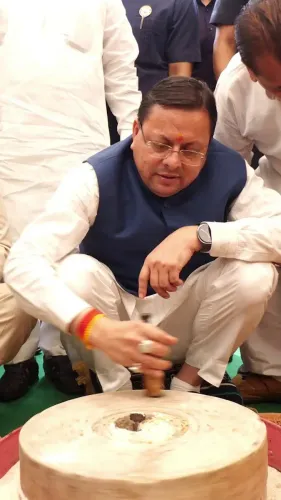
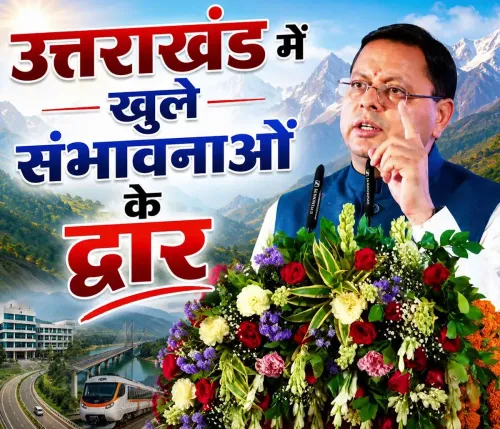
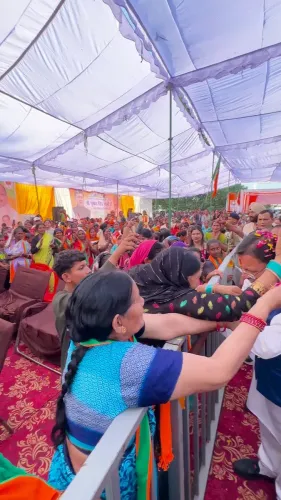
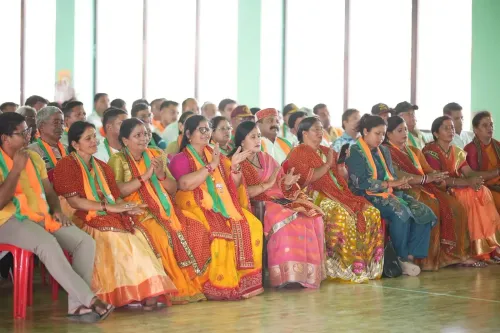
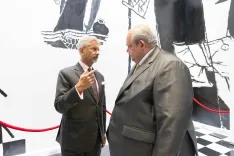
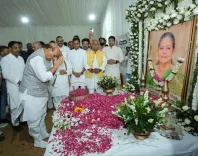
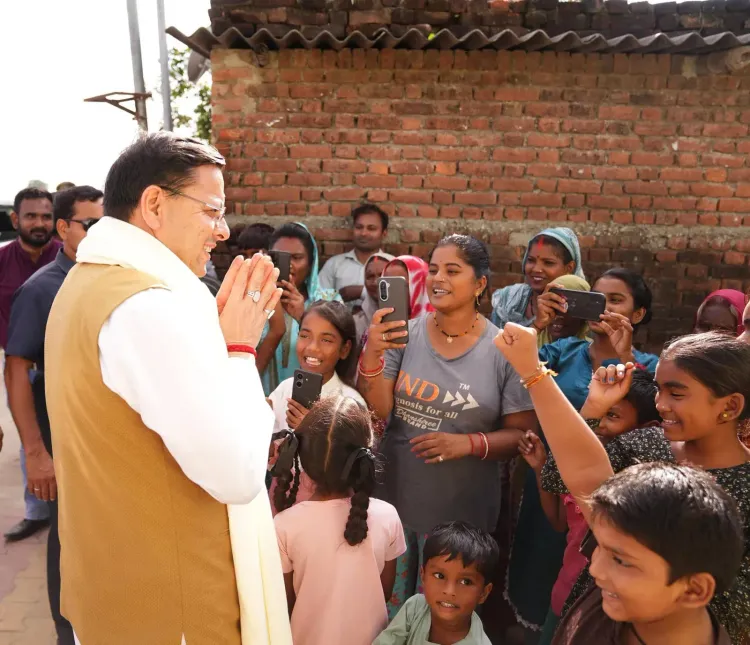
He described the affection of villagers and local leaders as 'the greatest strength of public service.' The post was accompanied by four images from what appeared to be a field interaction with local elected officials and residents.
Dhami stated that efforts to take Uttarakhand to new heights are ongoing, guided by ground-level needs and public sentiment.
The messaging aligns with the Dhami government's consistent emphasis on direct public outreach since 2021 .
No specific scheme or project was announced; follow-up rural development measures remain to be watched.
The affection of ordinary villagers and elected representatives, Uttarakhand Chief Minister Pushkar Singh Dhami said on Thursday, 24 September 2026, is the single greatest force driving public service — and the state's push to newer heights will be built on exactly that foundation.
Sharing images from what appeared to be a field interaction with local leaders and rural residents, Dhami wrote in Hindi: 'जनप्रतिनिधियों और ग्रामीणों से मिलने वाला यह स्नेह ही जनसेवा की सबसे बड़ी ताकत है' — 'The affection received from public representatives and villagers is the greatest strength of public service.' He added that efforts to take the state to new heights continue, guided by a close understanding of ground-level needs, people's expectations, and public sentiment.
Why the 'Ground-Level Listening' Signal Matters in Uttarakhand
Uttarakhand is a predominantly hilly, rural state where geography alone makes governance a logistical challenge. Large swaths of the state face persistent out-migration, thin road connectivity, and uneven access to basic services. For any administration, demonstrating direct contact with these communities is not just optics — it is a recurring political and policy necessity.
Since taking charge in 2021, the Dhami government has repeatedly framed its approach around direct public outreach, positioning the Chief Minister as an accessible administrator who takes cues from the field rather than from secretariat files. The four images attached to the post — showing Dhami alongside what appear to be local elected officials and residents — reinforce that visual grammar.
The BJP Grassroots Playbook and What Dhami's Post Fits Into
Across BJP-governed states with significant rural populations, chief ministers routinely use social media to amplify citizen interactions, signalling that administrative priorities flow upward from villages rather than downward from party headquarters. Dhami's post follows that template precisely — but in Uttarakhand's context, where rural distress and development gaps are genuine electoral undercurrents, the messaging carries weight beyond routine PR.
The post stops short of announcing any specific scheme or project. Observers watching Uttarakhand's rural development pipeline will note whether these field interactions translate into targeted follow-up — new infrastructure allocations, adjustments to ongoing programmes, or fresh rural outreach initiatives in the months ahead.
When a Chief Minister says the answers to governance lie in the villages, the real test is what those villages look like the next budget cycle.
Point of View
Particularly effective in states like Uttarakhand where rural distress and out-migration are live political fault lines. By framing village affection — not state power — as his governing fuel, Dhami positions himself as a responsive rather than directive leader, a distinction that matters ahead of any electoral cycle. The absence of a concrete policy announcement keeps the post aspirational, but it also means the credibility of this outreach hinges entirely on what policy actions follow from it. In states with large hilly and remote constituencies, the gap between a Chief Minister's field visit and a villager's actual life improvement is the real political story.
NationPress
24 Sept 2026
Frequently Asked Questions
What did CM Pushkar Singh Dhami say in his recent post about governance?
CM Dhami said that the affection received from villagers and public representatives is the greatest strength of public service, and that his government continues to work toward taking Uttarakhand to new heights by closely understanding ground-level needs and public sentiment.
When did CM Dhami make this statement about grassroots governance?
CM Pushkar Singh Dhami made this statement on Thursday, 24 September 2026 , via a post on X accompanied by four images from what appeared to be a field interaction.
What is Pushkar Singh Dhami's approach to governance in Uttarakhand?
Since becoming Chief Minister in 2021 , Dhami has consistently emphasised direct public outreach, positioning himself as an administrator who takes policy cues from grassroots interactions with rural communities and local elected representatives.
Why is grassroots outreach particularly important in Uttarakhand?
Uttarakhand is a predominantly hilly, rural state facing challenges such as out-migration, limited road connectivity, and uneven access to services, making direct administrative contact with villages both a governance necessity and a political priority.
Did CM Dhami announce any new scheme or project in this post?
No specific scheme or project was announced in this post. The statement was aspirational in tone, signalling continued commitment to ground-level governance without detailing any new policy measure.