Digvijaya Singh meets farmers on day 3 of Ujjain-Ayodhya padyatra
Synopsis
On the third day of his 930-km Satya Sanatan Swabhiman Padyatra from Ujjain to Ayodhya, Digvijaya Singh paused for a roadside conversation with potato farmers who alleged fertiliser theft, erratic electricity supply, and crop prices so low they couldn’t cover cold storage charges — weaving agrarian distress into what is primarily billed as a religious walk.
Key Takeaways
Digvijaya Singh met potato farmers on 22 October 2026 , the third day of his Satya Sanatan Swabhiman Padyatra .
Farmers cited fertiliser shortages , a cumbersome token-based distribution system , and unreliable electricity as key problems.
Potato growers said low market prices left them unable to recover production or cold storage costs from the previous harvest.
One farmer alleged fertiliser theft and urged Singh to raise farming-community concerns at larger platforms.
The approximately 930-km yatra began on 20 October (Vijayadashami) at the Mahakaleshwar Temple, Ujjain , and will end at the Ram temple, Ayodhya .
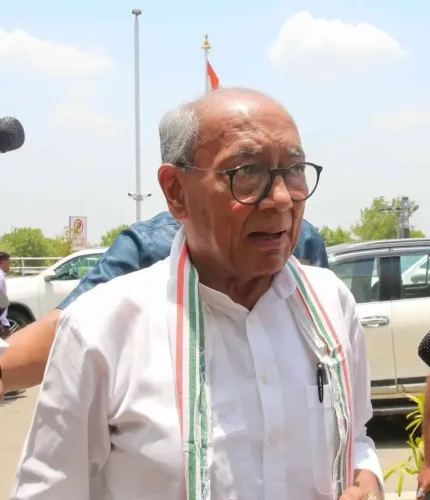
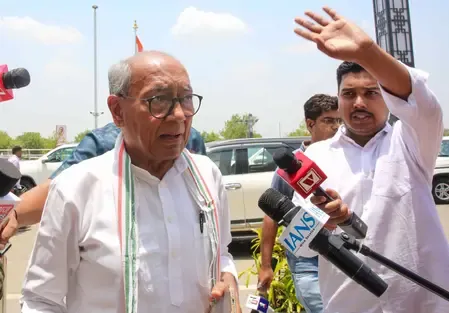
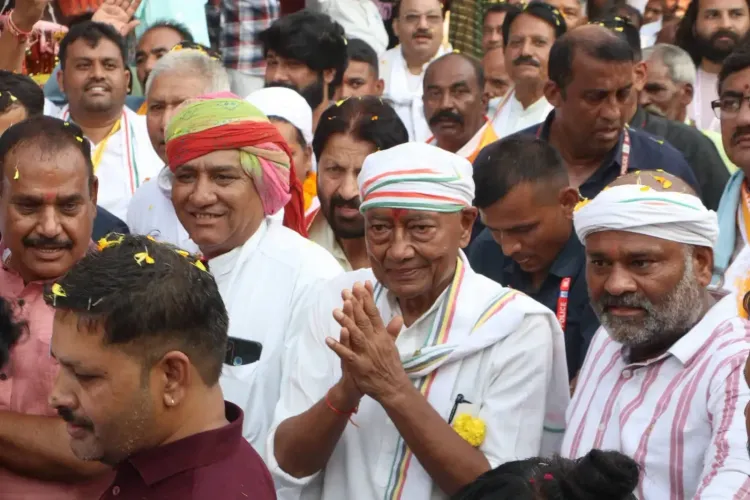
Former Madhya Pradesh Chief Minister Digvijaya Singh on Thursday, 22 October 2026, stopped to meet farmers sowing potatoes along the roadside on the third day of his Satya Sanatan Swabhiman Padyatra — a roughly 930-km walk from Ujjain to Ayodhya. According to a statement issued by his office, Singh listened at length to grievances around fertiliser shortages, erratic electricity supply, and depressed crop prices.
Farmers' Key Grievances
The potato growers told Singh that fertilisers were not reaching them on time during the sowing season, and that a token-based distribution system was adding to their inconvenience. Unreliable electricity supply was also hampering agricultural operations, they said.
Recounting their experience with the previous potato harvest, the farmers said low market prices had prevented them from recovering even their production costs. Even after keeping their produce in cold storage facilities, they were left unable to cover the storage charges, according to the statement.
One farmer went further, alleging that fertiliser theft was taking place alongside other irregularities, and urged Singh to raise the farming community's concerns at larger platforms.
What Digvijaya Singh Said
Singh responded by sharing a social media post underscoring the cultural and religious significance of Mother Earth and Goddess Sita, drawing a parallel to the dignity of farmers. “The land is not merely a source of food but also the mother of faith and culture. The farmer is the servant of this sacred land and the provider of food,” Singh said in a statement. He emphasised that respect for the soil and the dignity of farmers must remain paramount.
About the Padyatra
The Satya Sanatan Swabhiman Padyatra began on 20 October — Vijayadashami — after Singh offered prayers at the Mahakaleshwar Temple in Ujjain. The approximately 930-km journey is scheduled to conclude in Ayodhya with a darshan of Ram Lalla at the Ram temple. The yatra centres on religious and cultural themes associated with Sanatan traditions.
Sadhus, saints, and members of the public are accompanying Singh along the route, while he continues to meet residents and interact with different sections of society at each stop, the statement said.
Political and Agricultural Context
The padyatra comes at a time when agrarian distress — particularly around input availability and price realisation — remains a persistent concern in Madhya Pradesh, a major potato and soybean producing state. Singh's decision to halt at a farming site on just the third day signals an attempt to weave agricultural advocacy into what is primarily framed as a religious and cultural walk. Notably, fertiliser supply bottlenecks and cold storage economics have featured in farm protests across central India in recent seasons, lending the roadside exchange a relevance beyond its informal setting.
With the yatra still in its early stages, Singh's interactions along the remaining route are likely to draw further attention from both political observers and farming groups in the state.
Point of View
But the farmers’ specifics — token-based fertiliser queues, cold storage losses, alleged input theft — are concrete and verifiable concerns that go beyond optics. The real question is whether Singh converts roadside listening into legislative or policy pressure back in Bhopal or Delhi, or whether these interactions remain symbolic gestures absorbed by the yatra’s religious narrative. Madhya Pradesh’s farm economy has structural bottlenecks that a walk, however long, cannot fix without follow-through. The BJP will watch closely to see whether the yatra gains farmer-vote traction in a state it won decisively on a Hindu-identity plank.
NationPress
22 Oct 2026
Frequently Asked Questions
What is the Satya Sanatan Swabhiman Padyatra?
It is an approximately 930-km foot march by former Madhya Pradesh Chief Minister Digvijaya Singh from Ujjain to Ayodhya, focused on religious and cultural themes associated with Sanatan traditions. The yatra began on 20 October 2026 (Vijayadashami) with prayers at the Mahakaleshwar Temple in Ujjain and is scheduled to conclude with a darshan of Ram Lalla at the Ram temple in Ayodhya.
What grievances did farmers raise with Digvijaya Singh?
Potato farmers told Singh that fertilisers were not available on time, the token-based distribution system was inconvenient, and electricity problems were disrupting farming operations. They also said low market prices had prevented them from recovering production or cold storage costs from the previous harvest.
What did Digvijaya Singh say in response to the farmers?
Singh shared a social media post linking the cultural significance of Mother Earth and Goddess Sita to the dignity of farmers, and stated: ‘The land is not merely a source of food but also the mother of faith and culture. The farmer is the servant of this sacred land and the provider of food.’ He emphasised that respect for the soil and farmers’ dignity must remain paramount.
Who is participating in the padyatra?
Sadhus, saints, and members of the public are joining Digvijaya Singh along the route. Singh has been meeting residents and interacting with different sections of society at each stop, according to a statement from his office.
Why does the farmers’ interaction matter politically?
Singh’s decision to highlight agrarian distress on just the third day of a primarily religious walk signals an attempt to blend farm advocacy with the cultural framing of the yatra. Fertiliser supply bottlenecks and cold storage economics are persistent concerns in Madhya Pradesh, and the roadside meeting could sharpen Congress’s rural messaging in a BJP-governed state.