DMK backs delimitation Bill despite INDIA bloc push: Stalin
Synopsis
Kharge, Sonia Gandhi and Rahul Gandhi flew to Chennai to change the DMK’s mind, and they left empty-handed. Stalin says the revised delimitation Bill keeps the 1971 population basis and raises every state’s Lok Sabha seats by 50 per cent. He argues that waiting past January would hurt the south, so the DMK’s 22 MPs will back the Centre.
Key Takeaways
Stalin said on 29 November 2026 that the DMK had no choice but to back the Centre’s revised delimitation Bill.
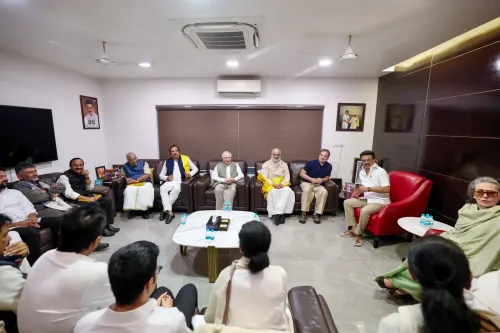
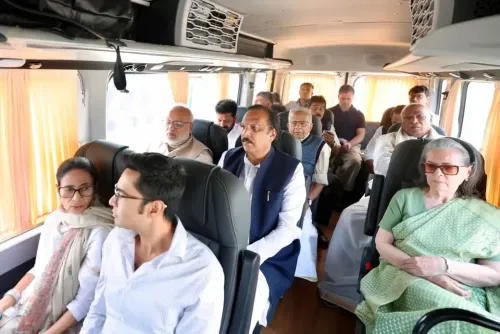
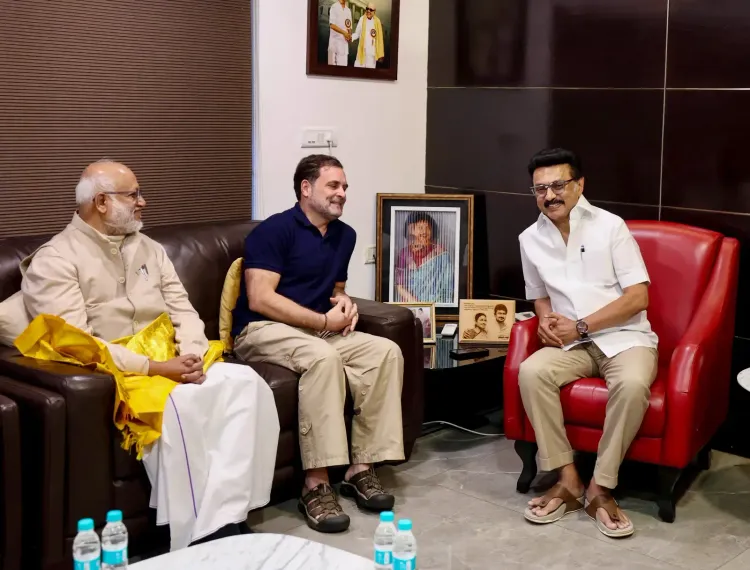
Mallikarjun Kharge , Sonia Gandhi and Rahul Gandhi met Stalin in Chennai to urge a rethink, but the DMK kept its support intact.
The revised Bill retains the 1971 population basis and raises each state’s Lok Sabha seats by 50 per cent .
Stalin warned that delimitation after January would hurt southern states, including Tamil Nadu.
The DMK has 22 Lok Sabha MPs , and the Bill is due in Parliament’s special session on Monday .
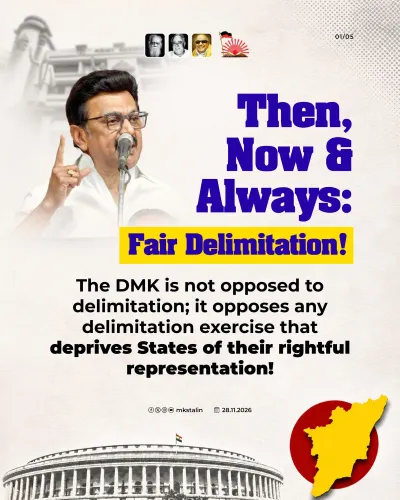
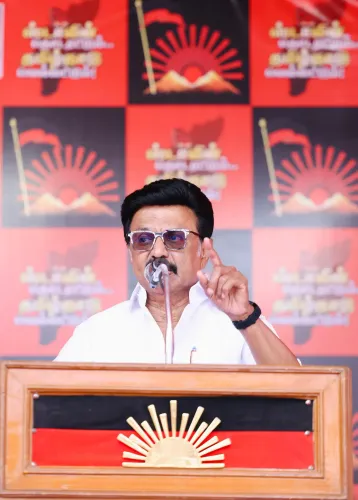
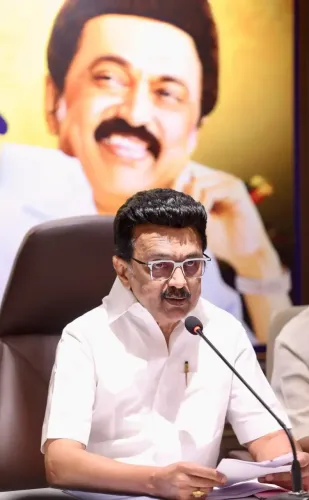
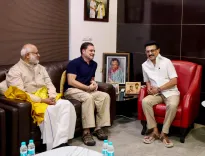
DMK president M.K. Stalin said on Sunday, 29 November 2026, that his party had no choice but to support the Centre’s revised delimitation Bill. He spoke after senior INDIA bloc leaders met him in Chennai to urge a rethink. Stalin warned that Tamil Nadu and other southern states could lose out if the delimitation exercise were held after January.
The Dravida Munnetra Kazhagam (DMK), which opposed an earlier version of the Bill, kept its support for the revised proposal intact after the talks. The Bill comes before a special session of Parliament on Monday.
Key Developments in Chennai
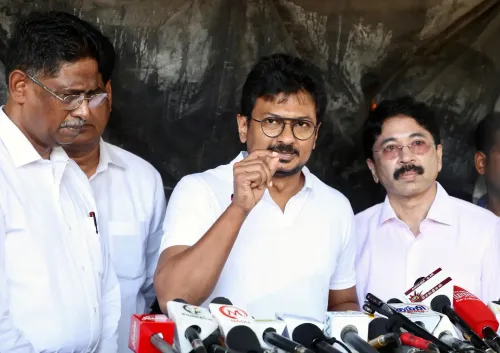
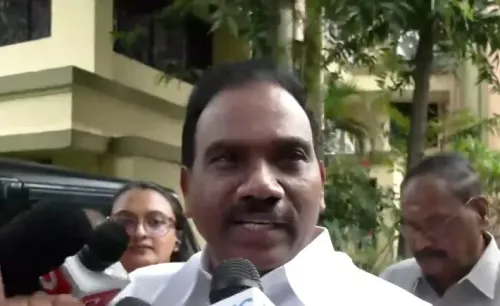
Speaking to reporters at his Alwarpet residence after the meeting, Stalin said he had explained to the delegation why the DMK had decided to back the revised Bill. He said the party had secured the changes it had sought on behalf of Tamil Nadu.
“I made it clear that the demands we had raised from the very beginning have been incorporated in the new Bill,” Stalin said. He added that the visiting leaders had also raised other issues during the discussion. “We heard them out.”
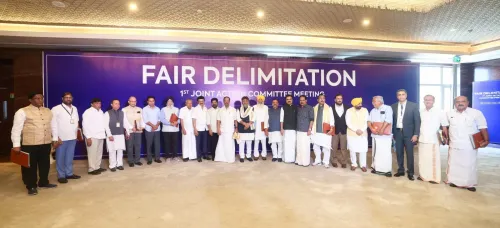
The delegation included Congress president Mallikarjun Kharge and former party presidents Sonia Gandhi and Rahul Gandhi. The leaders travelled to Chennai ahead of Monday’s special session to seek a change in the DMK’s voting position.
How the DMK Reached Its Decision
The talks came a day after a meeting of DMK MPs at Anna Arivalayam, the party headquarters in Chennai. At that meeting on Saturday, Stalin announced the decision to support the Bill.
Stalin told his MPs that the revised Bill retained the 1971 population basis, a provision he described as a victory for the DMK. On Sunday, he said the prospect of delimitation after January had weighed on the party’s decision. In his assessment, such a delay would have consequences across the south, and Tamil Nadu would certainly be affected.
What the Revised Bill Changes
The core of the dispute is the share of seats each state will hold in an expanded Lok Sabha. Tamil Nadu has been concerned that allocating seats on more recent population figures could reduce the relative strength of southern states, where population growth has been slower.
Under the revised proposal, each state’s Lok Sabha seats would increase by 50 per cent. This would preserve the existing balance among states rather than redistribute seats towards states with faster population growth.
Notably, inter-state seat allocation has been tied to the 1971 Census for decades. That freeze has long been seen in the south as protection for states that succeeded in curbing population growth.
Impact on the INDIA Bloc
The DMK has 22 members in the Lok Sabha, which makes it one of the larger opposition parties in the House. Its decision to back the Centre’s Bill, despite a direct appeal from the Congress leadership, exposes a clear split within the opposition alliance on a major constitutional question.
All eyes now turn to Parliament’s special session on Monday. There, the DMK’s votes and the opposition’s response will shape the fate of the revised delimitation Bill.
Point of View
And that is what the DMK campaigned for. The bigger story is the opposition’s fracture. The Congress’s top three leaders made a personal appeal and could not move a key ally on a constitutional vote, which raises hard questions about the INDIA bloc’s cohesion. Stalin’s ‘no choice’ framing also deserves scrutiny: an all-states increase still enlarges the Lok Sabha’s overall size, and the public has not heard enough about what that means for representation and governance.
NationPress
29 Nov 2026
Frequently Asked Questions
Why is the DMK supporting the revised delimitation Bill?
The DMK is backing the Bill because, according to M.K. Stalin, the demands the party raised from the beginning have been included in the revised version. He also said delimitation held after January could hurt Tamil Nadu and other southern states.
What does the revised delimitation Bill propose?
The revised Bill would increase each state’s Lok Sabha seats by 50 per cent, preserving the existing balance among states. Stalin said it also retains the 1971 population basis.
Who from the INDIA bloc met Stalin in Chennai?
Congress president Mallikarjun Kharge and former party presidents Sonia Gandhi and Rahul Gandhi were among the leaders who met Stalin. They urged him to reconsider the DMK’s decision ahead of Monday’s special session of Parliament.
Why are southern states worried about delimitation?
Southern states fear that allocating seats on more recent population figures could reduce their relative strength in the Lok Sabha. Their population growth has been slower than in other parts of the country.
How many Lok Sabha MPs does the DMK have?
The DMK has 22 members in the Lok Sabha. Their support matters as the Bill comes before Parliament’s special session on Monday.