DMK backs revised delimitation bill, Stalin tells MPs to attend
Synopsis
In a notable turn, the DMK will back the Centre's revised delimitation Bill. The party argues that a 50% across-the-board seat increase lifts Tamil Nadu's Lok Sabha share from 7.18% to 7.21%. The decision follows its exit from the INDIA bloc and could hand the government the numbers it lacked in April.
Key Takeaways
The DMK announced on 28 November 2026 that it will support the Centre's revised delimitation Bill.
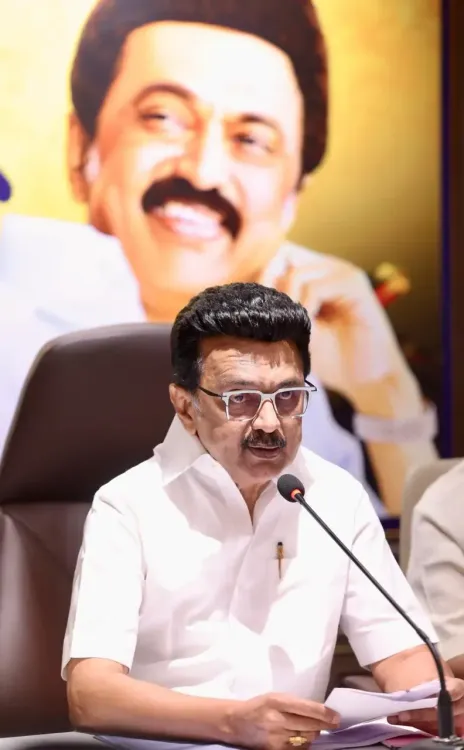
The decision was taken at a meeting of DMK MPs chaired by M.K.
Stalin at Anna Arivalayam , Chennai.
The proposed Lok Sabha would have up to 850 members : 815 from states and 35 from Union Territories.
Raja said Tamil Nadu's share would rise from 7.18% to 7.21% .
An earlier Bill introduced by Arjun Ram Meghwal on 16 April failed to secure the required majority.
Stalin directed all DMK MPs to attend the special session starting 30 November .
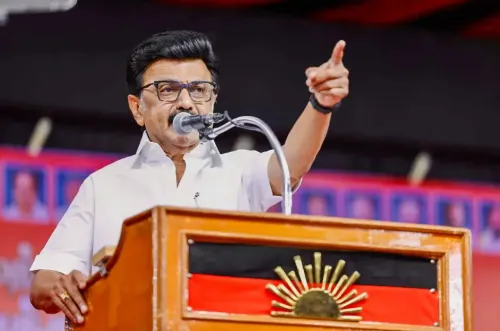
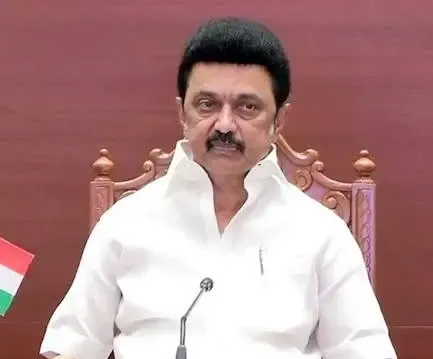
The Dravida Munnetra Kazhagam (DMK) on Saturday, 28 November 2026, announced it will support the Centre's revised delimitation Bill, which the BJP-led Union government plans to introduce in the special session of Parliament beginning 30 November. The decision was taken in Chennai at a consultative meeting of the party's Lok Sabha and Rajya Sabha members, chaired by DMK President and former Tamil Nadu Chief Minister M.K. Stalin.
The meeting was held at the party headquarters, Anna Arivalayam. Stalin later directed all DMK parliamentarians to attend the special session from Monday, stressing the importance of the proposed constitutional amendments and of the party's participation in the proceedings.
Why the DMK Changed Course
Briefing reporters after the meeting, senior DMK leader and Lok Sabha member A. Raja said the party reached its decision after extensive deliberations and a detailed study of the proposed amendments. He said the DMK backs the provision to raise the parliamentary representation of all states by 50 per cent.
Raja said the revised proposal would not hurt Tamil Nadu's representation in the Lok Sabha. According to him, the state's share of Lok Sabha seats would rise marginally, from 7.18 per cent to 7.21 per cent, under the proposed arrangement.
He recalled that Tamil Nadu lost two parliamentary seats after the delimitation exercise based on the 1971 Census. He said the revised legislation would not cause a similar setback.
What the Revised Bills Propose
The Centre is reportedly planning to introduce the 132nd Constitutional Amendment Bill and the Delimitation Bill in the forthcoming session. Under the proposed framework, the maximum strength of the Lok Sabha would rise to 850 members. Of these, 815 would represent states and 35 would represent Union Territories.
The revised Bills follow an earlier attempt that failed. A delimitation-related Bill introduced by Union Minister Arjun Ram Meghwal in the Lok Sabha on 16 April did not secure the required majority. The Centre is now reportedly preparing to withdraw that legislation and bring in fresh proposals.
Political Fallout With the Congress
The DMK's move comes amid its separation from the opposition INDIA bloc. Raja rejected suggestions that the split had influenced the party's stance on the Bill.
Responding to criticism from the Indian National Congress, Raja said the DMK had not compromised its fundamental principles. He said the party would back Central government initiatives whenever they served Tamil Nadu's interests. He also challenged the Congress to show that the DMK had moved away from its earlier ideological position.
What Happens Next
Constitutional amendments need a special majority in Parliament, which the April Bill failed to secure. Support from the DMK, a major southern party, could change the numbers for the government's revised push.
All eyes now turn to the special session opening on 30 November. There, the fate of the 850-seat Lok Sabha proposal will test both the Centre's floor management and the realignment of opposition ranks.
Point of View
At least on paper. Still, the timing, so soon after the party's exit from the INDIA bloc, will keep the charge of political convenience alive. The Congress must now explain why a formula that marginally raises Tamil Nadu's share deserves opposition.
NationPress
28 Nov 2026
Frequently Asked Questions
Why is the DMK supporting the revised delimitation Bill?
The DMK says the revised Bill raises every state's parliamentary representation by 50 per cent without hurting Tamil Nadu. According to A. Raja, the state's Lok Sabha share would rise slightly, from 7.18 per cent to 7.21 per cent.
What will be the new strength of the Lok Sabha under the proposal?
The maximum strength of the Lok Sabha would increase to 850 members. Of these, 815 would represent states and 35 would represent Union Territories.
When does the special session of Parliament begin?
The special session begins on Monday, 30 November 2026. The Centre is reportedly expected to introduce the 132nd Constitutional Amendment Bill and the Delimitation Bill during this session.
What happened to the earlier delimitation Bill?
Union Minister Arjun Ram Meghwal introduced an earlier delimitation-related Bill in the Lok Sabha on 16 April, but it failed to secure the required majority. The Centre is reportedly preparing to withdraw it and introduce revised proposals.
Is the DMK's decision linked to its exit from the INDIA bloc?
No, according to the DMK. A. Raja rejected suggestions that the party's separation from the INDIA bloc influenced its decision, and said the DMK backs Central initiatives whenever they serve Tamil Nadu's interests.