TN Assembly passes resolution to freeze Lok Sabha seats at 543
Synopsis
Tamil Nadu has drawn a firm legislative line against delimitation — the Assembly unanimously passing a resolution to permanently cap Lok Sabha seats at 543, protecting states that controlled population growth from losing parliamentary weight. With a similar constitutional amendment already defeated in Parliament in April 2026 and rumours of a revival, this resolution signals that the South is not standing down.
Key Takeaways
The Tamil Nadu Assembly passed a special resolution on 12 August urging the Centre to permanently freeze Lok Sabha strength at 543 seats .
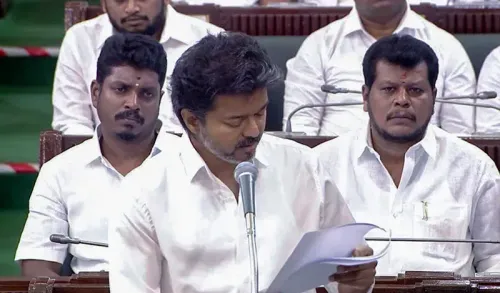
Joseph Vijay moved the resolution, citing concerns that post-1971 Census delimitation would penalise states that controlled population growth.
A constitutional amendment bill seeking to lift delimitation restrictions was defeated in Parliament in April 2026 ; reports of a revival triggered the resolution.
The resolution also demands maintaining the existing 2.2:1 Lok Sabha-Rajya Sabha ratio .
33% women's reservation in the Lok Sabha from the 2029 general election is a key additional demand in the resolution.
BJP , AIADMK , and PMK opposed parts of the resolution; DMK , CPI(M) , CPI , VCK , and IUML backed it.
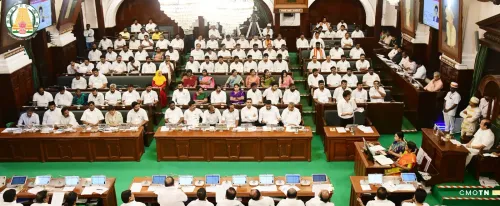
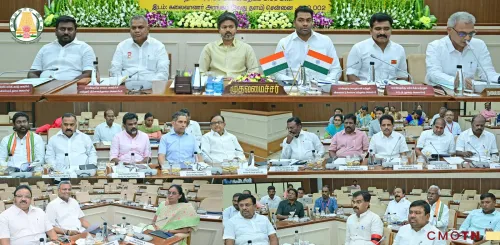
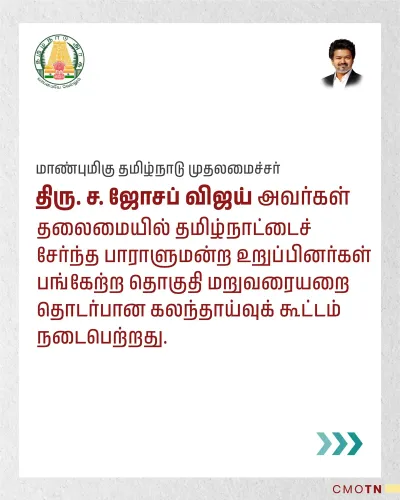
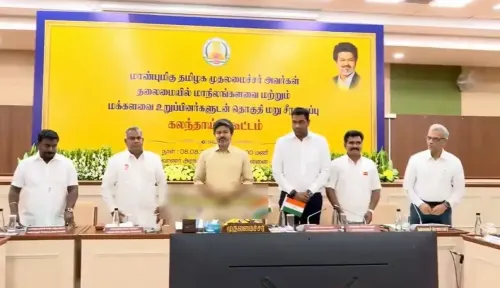
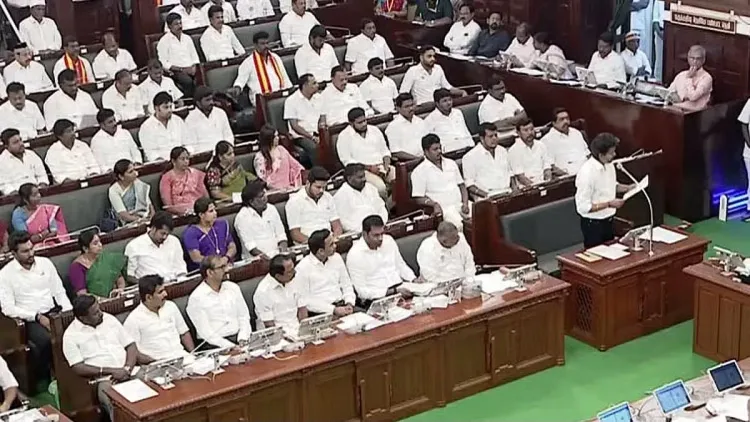
The Tamil Nadu Legislative Assembly on Wednesday, 12 August passed a special resolution moved by Chief Minister C. Joseph Vijay urging the Centre to permanently freeze the total strength of the Lok Sabha at 543 seats and protect the existing inter-state distribution of parliamentary constituencies ahead of a potential delimitation exercise.
Background and Context
The resolution comes in the wake of a constitutional amendment bill that was defeated in Parliament in April 2026. That proposed legislation had sought to lift restrictions on delimitation, redraw constituencies on the basis of the 2011 Census, and substantially increase the total strength of the Lok Sabha. Reports suggesting a similar proposal could be reintroduced in Parliament have renewed anxieties in Tamil Nadu and other southern states.
The current freeze on seat allocation has been in place for decades, with the 1971 Census forming the basis for the long-standing protection. Any shift to a post-1971 Census baseline could significantly reduce the relative parliamentary weight of states that successfully curbed population growth.
What the Resolution Demands
Chief Minister Vijay argued that states which effectively implemented population-control programmes — as promoted by the Union government — should not be penalised by losing proportional representation in Parliament. He also contended that states with stronger economic growth and improved public welfare indicators deserved protection in any future delimitation round.
Beyond freezing the Lok Sabha at 543 seats, the resolution called for maintaining the existing 2.2:1 ratio between the Lok Sabha and Rajya Sabha. It also demanded the implementation of 33 per cent reservation for women in the Lok Sabha from the 2029 general election, based on the current 543-constituency framework, with similar quotas in subsequent state Assembly elections.
Legislative Debate and Party Positions
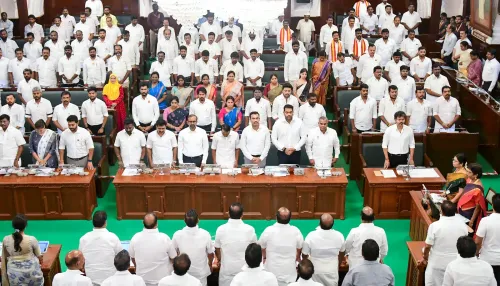
The resolution drew broad cross-party support during the floor debate. The Dravida Munnetra Kazhagam (DMK), CPI(M), CPI, VCK, IUML, and allied parties backed the government's position, though differences emerged over specific provisions. The Bharatiya Janata Party (BJP), All India Anna Dravida Munnetra Kazhagam (AIADMK), and PMK opposed parts of the resolution. Notably, the BJP, AIADMK, and DMK converged on the clause seeking early implementation of women's reservation.
Passage and Next Steps
After the party-wise debate concluded, Speaker J.C.D. Prabhakar put the resolution to a voice vote and declared it adopted by the Assembly. The resolution will now be formally communicated to the Centre as Tamil Nadu's official legislative position on delimitation. Whether the Union government acts on it remains to be seen, particularly given the renewed political momentum around parliamentary seat reallocation.
Point of View
However, is a credible enforcement mechanism; resolutions passed by state assemblies carry moral weight but no binding force on the Centre. The real test will come if and when the amendment bill is reintroduced — and whether the southern bloc can hold together across party lines when it counts.
NationPress
27 Sept 2026
Frequently Asked Questions
What did the Tamil Nadu Assembly resolution on Lok Sabha seats demand?
The resolution urged the Centre to permanently freeze the Lok Sabha's total strength at 543 seats and retain the existing inter-state allocation of parliamentary constituencies. It also called for maintaining the 2.2:1 Lok Sabha-Rajya Sabha ratio and implementing 33% women's reservation in the Lok Sabha from the 2029 general election.
Why is Tamil Nadu opposing delimitation based on a post-1971 Census?
Tamil Nadu and other southern states argue that delimitation based on a Census conducted after 1971 would reduce their proportional representation in Parliament because they successfully controlled population growth — a policy promoted by the Union government itself. States with lower population growth would lose seats relative to states with higher growth.
What was the constitutional amendment bill defeated in April 2026?
The bill sought to remove existing restrictions on delimitation, redraw parliamentary constituencies on the basis of the 2011 Census, and substantially increase the total strength of the Lok Sabha. It was defeated in Parliament in April 2026, but reports of a potential revival prompted Tamil Nadu's legislative response.
Which parties supported and which opposed the resolution?
The DMK, CPI(M), CPI, VCK, and IUML supported the resolution. The BJP, AIADMK, and PMK opposed parts of it, though the BJP, AIADMK, and DMK all backed the clause on women's reservation. The resolution was ultimately passed by a voice vote.
Does a state assembly resolution bind the Centre on delimitation?
No. A state assembly resolution carries political and moral weight but is not legally binding on the Union government. It formally communicates Tamil Nadu's legislative position to the Centre, but any decision on delimitation or Lok Sabha seat strength rests with Parliament.