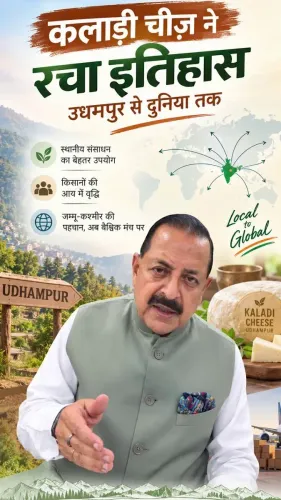
Dr. Jitendra Singh: Kaladi Cheese from Udhampur goes global

Synopsis
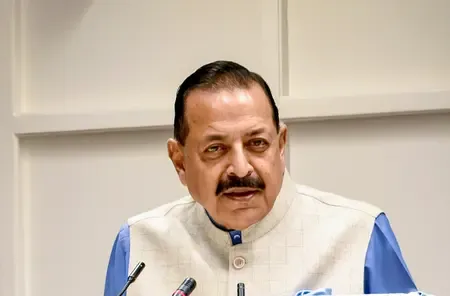
Union Science and Technology Minister Dr. Jitendra Singh has highlighted how CSIR-CFTRI, Mysuru extended Udhampur's traditional Kaladi Cheese shelf life to 28 days, enabling J&K dairy entrepreneurs to access national and global markets and linking J&K's culinary heritage to India's S&T missions.
Key Takeaways
CSIR-CFTRI, Mysuru has extended the refrigerated shelf life of Kaladi Cheese from Udhampur to 28 days , making commercial distribution viable.
The intervention creates new opportunities for innovation, employment and local livelihoods in Jammu and Kashmir , per the minister's post.
The project aligns with the post- 2019 revocation of Article 370 policy push to integrate J&K's economy with national value chains via central science institutions.
The initiative is part of a broader CSIR pattern of extending shelf life for regional and GI-tagged foods across the Northeast and Himalayan states.
Possible next steps include GI tag registration for Kaladi Cheese, export trials, and replication of the technology transfer model across other J&K districts.
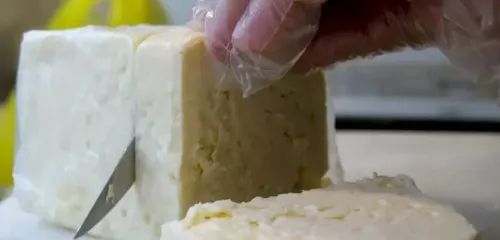
A centuries-old dairy tradition from the hills of Udhampur, Jammu and Kashmir, is about to cross borders — and it is science that is opening the gate. Union Science and Technology Minister Dr. Jitendra Singh on Saturday, October 17, 2026, spotlighted how CSIR-CFTRI, Mysuru, has extended the refrigerated shelf life of traditional Kaladi Cheese to 28 days, unlocking a path to national and global markets that local entrepreneurs could only dream of before.
What CSIR-CFTRI did for Kaladi — and why 28 days changes everything
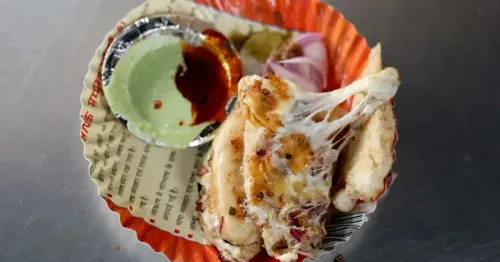
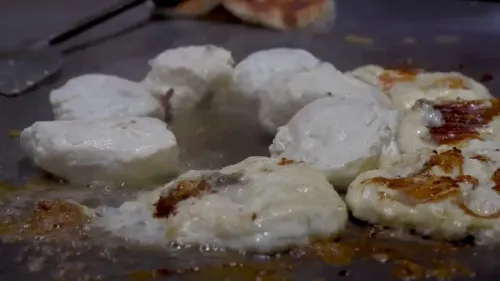
Kaladi — a firm, slightly tangy, hand-stretched cheese beloved in Udhampur and the Jammu belt — has long been a hyperlocal product, its freshness window too narrow for interstate trade, let alone export. The Central Food Technological Research Institute (CSIR-CFTRI) in Mysuru, one of India's premier food-science laboratories, deployed preservation and packaging technology to stretch that window to 28 days under refrigeration. That single intervention transforms Kaladi from a village-market item into a product that can travel cold chains, sit on organised retail shelves, and meet the minimum durability thresholds that importers demand.
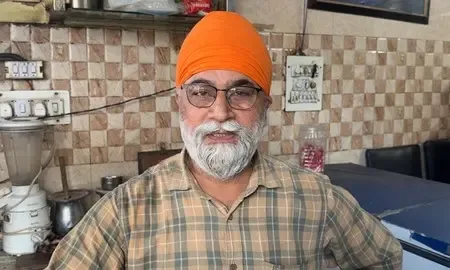
Dr. Singh's post amplified testimonials from the entrepreneur beneficiaries themselves — small producers and processors in Udhampur who are already registering the downstream effect: new orders, formalised units, and a livelihood that no longer depends solely on the weekly local bazaar.
The policy thread: Article 370's rollback and J&K's science-linked economy
This is not an isolated project. Since the 2019 revocation of Article 370, central schemes and scientific institutions have been systematically channelled into Jammu and Kashmir to integrate its economy with national value chains. The PMFME scheme and the broader Atmanirbhar Bharat framework prioritised formalisation and technology upgradation of micro food-processing units — categories into which Kaladi producers fit precisely.
CSIR-CFTRI has run shelf-life extension and food-standardisation programmes for regional products since the early 2000s, with similar work done on GI-tagged foods from the Northeast and Himalayan states. The Kaladi project follows that proven template, applying industrial food science to a cultural product to make it commercially viable without stripping its identity.
From Udhampur dairy sheds to global export corridors
The minister framed the initiative explicitly as building on Prime Minister Narendra Modi's vision of local products finding global audiences — a philosophy that has powered campaigns from Vocal for Local to the push for GI-tag exports. For Udhampur's dairy entrepreneurs, that vocabulary is now translating into tangible infrastructure: technology transfer, cold-chain compatibility, and the credibility that a CSIR imprimatur brings to a buyer abroad.
What remains to accelerate the story is formalised export trials, a potential GI tag registration for Kaladi Cheese, and the replication of CSIR-CFTRI's technology transfer model to other districts of J&K that carry equally rich, equally underexposed food traditions. The blueprint is written. The cheese is packed. The question now is how fast the cold chain catches up.
Point of View
The ministry converts a technology milestone into a political narrative about heritage, employment and national integration. The 28-day shelf-life figure is the hinge: small enough to sound achievable, large enough to unlock cold-chain and retail infrastructure that fundamentally changes what a J&K food product can become. Whether this model scales to other districts and other traditional foods will be the real test of its policy ambition.
NationPress
17 Oct 2026
Frequently Asked Questions
What is Kaladi Cheese and where is it from?
Kaladi is a traditional hand-stretched, firm dairy cheese from Udhampur district in Jammu and Kashmir , popular in the Jammu belt for its slightly tangy flavour and versatility in local cooking.
How did CSIR-CFTRI extend the shelf life of Kaladi Cheese?
CSIR-CFTRI in Mysuru applied food preservation and packaging technology to extend Kaladi's refrigerated shelf life to 28 days , making it suitable for organised retail, interstate trade and export supply chains.
What is CSIR-CFTRI and what does it do?
The Central Food Technological Research Institute (CSIR-CFTRI) in Mysuru is a premier national laboratory under the Council of Scientific and Industrial Research specialising in food processing, preservation, safety and shelf-life extension technologies.
How does this initiative benefit J&K entrepreneurs?
By extending shelf life and standardising the product, the initiative allows Udhampur dairy entrepreneurs to access national retail chains and global markets, formalise their units, and generate stable employment — breaking dependence on local bazaar sales.
Could Kaladi Cheese get a GI tag?
A Geographical Indication (GI) tag for Kaladi Cheese has not yet been confirmed, but it is a logical next step given the government's pattern of securing GI status for regional foods before pushing them into export markets; no official announcement has been made.