DRI busts leopard skin syndicate in Maharashtra's Gondia district
Synopsis
The DRI's Nagpur unit has dismantled a leopard skin syndicate near Gondia — the latest in a string of wildlife busts spanning tiger bones, pangolin scales, elephant ivory, and 180 live tortoises. The pace and geographic spread of these operations signal a deliberate, intelligence-led escalation against India's organised wildlife crime networks.
Key Takeaways
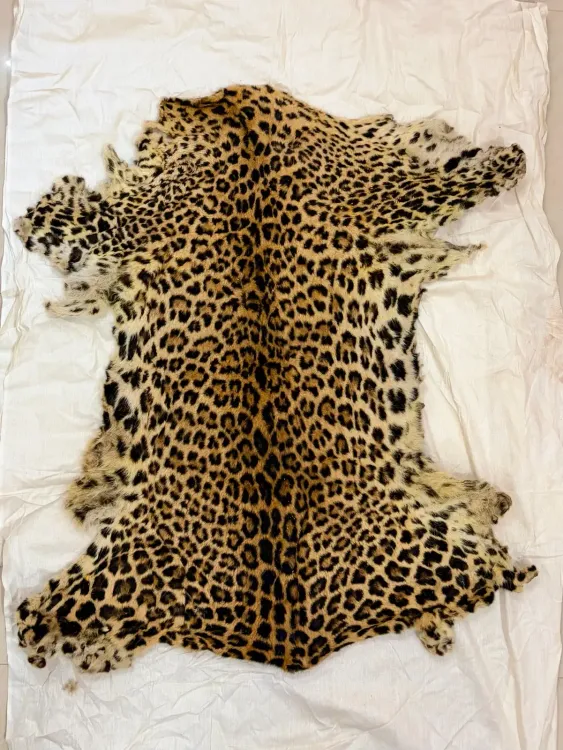
The DRI Nagpur Regional Unit busted an illegal leopard skin syndicate near Purada village, Gondia, Maharashtra on 29 September 2026 .
Two individuals were arrested and a leopard skin was seized under the Wildlife (Protection) Act, 1972 .
The accused and seized material were handed to the Forest Range Officer, North Deoria Range, Gondia for further action.
The Leopard is listed under Schedule I of the Wildlife (Protection) Act — India's highest tier of wildlife protection.
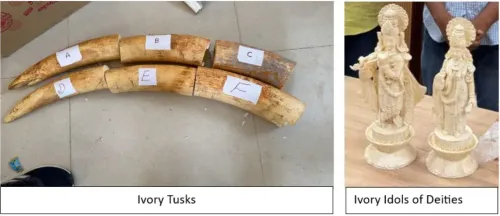
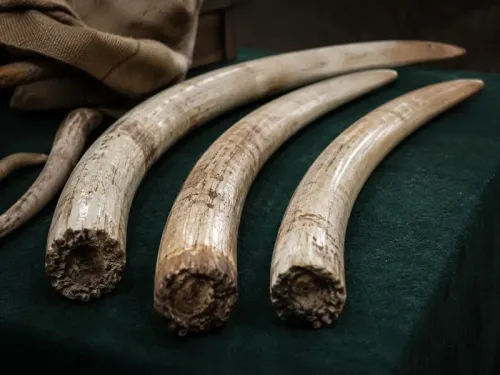
Recent DRI operations have also netted tiger bones ( Seoni ), pangolin scales ( Pileru, Jagdalpur ), elephant ivory ( Mysuru ), and 180 live Indian Star Tortoises near Bengaluru.
The Directorate of Revenue Intelligence (DRI) on Thursday, 1 October 2026, announced the dismantling of an illegal leopard skin trading syndicate in Maharashtra's Gondia district, marking another significant strike against organised wildlife trafficking in central India. The operation was carried out near Purada village on 29 September by the DRI's Nagpur Regional Unit (NaRU), operating under the Mumbai Zonal Unit.
How the Operation Unfolded
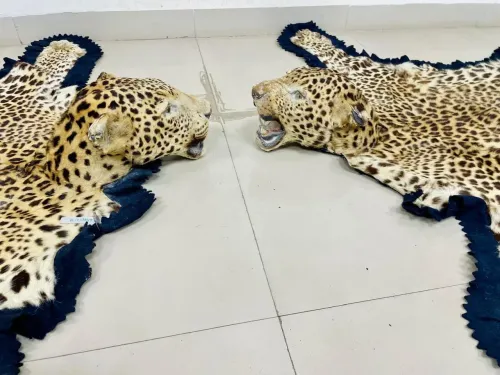
According to officials, two individuals were apprehended near Purada village, Gondia, for their alleged involvement in the illegal dealing and trading of a leopard skin, which was recovered directly from their possession. The seized skin was confiscated under the provisions of the Wildlife (Protection) Act, 1972.
Upon completion of seizure formalities, both the accused and the seized leopard skin were handed over to the Forest Range Officer, North Deoria Range, Gondia, for further legal action under the relevant provisions of the Act.
Why This Seizure Matters
The Leopard (Panthera pardus) is listed under Schedule I of the Wildlife (Protection) Act, 1972 — the highest tier of legal protection in India — which categorically prohibits all trade in such animals and their derivatives. Schedule I listing means even possession of leopard parts can attract stringent penalties.
India's leopard population, while considered more resilient than tigers, faces sustained pressure from poaching networks that supply illegal international markets. Wildlife experts note that demand from the exotic skin and trophy trade continues to drive organised crime into forested corridors of central and eastern India.
DRI's Recent Enforcement Track Record
This operation is part of a broader enforcement surge. The DRI NaRU has reportedly dismantled multiple illicit wildlife trafficking networks in recent months, including seizures of leopard skin in Ujjain, tiger bones in Seoni, Pangolin scales in Pileru and Jagdalpur, and elephant ivory in Mysuru.
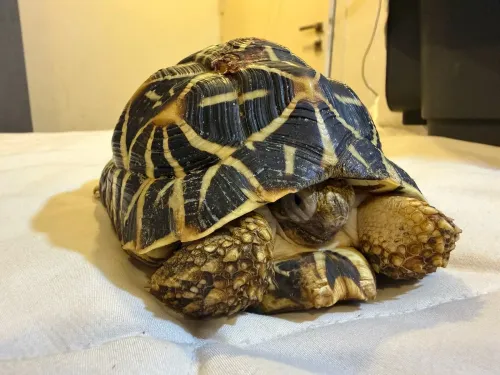
In a separate operation in Karnataka, DRI officers intercepted an individual near Bengaluru's Gandhinagar and recovered 180 live Indian Star Tortoises concealed in six cloth covers. Officials noted that the species' distinctive star-patterned shell has made it a target for the exotic pet and wildlife-collector markets globally. The tortoises were seized and the accused arrested under the Act.
Coordination and Intelligence-Driven Strategy
Officials emphasised that these operations are built on close coordination between the DRI, state forest departments across multiple states, and other enforcement agencies. The approach is described as intelligence-driven, targeting syndicate networks rather than isolated offenders — a model that has enabled cross-state busts within condensed timelines.
As wildlife trafficking increasingly mirrors the logistics of organised crime — with transnational supply chains, coded communications, and layered intermediaries — enforcement agencies face pressure to match that sophistication. The DRI's recent tempo suggests a deliberate escalation in interdiction capacity ahead of the winter season, historically when trafficking activity tends to peak in Indian forest zones.
Point of View
Syndicates reconstitute quickly. The handover to state forest departments also raises a structural question — do these agencies have the forensic and prosecutorial capacity to convert seizures into convictions? That conversion rate, not seizure volume, is the metric that will determine whether India's wildlife trafficking networks are genuinely being dismantled.
NationPress
1 Oct 2026
Frequently Asked Questions
What did the DRI seize in the Gondia wildlife operation?
The DRI seized one leopard skin near Purada village in Gondia, Maharashtra, on 29 September 2026, and arrested two individuals allegedly involved in its illegal trade. The seized skin and accused were handed to the Forest Range Officer, North Deoria Range, Gondia.
Why is trading in leopard skin illegal in India?
The Leopard (Panthera pardus) is listed under Schedule I of the Wildlife (Protection) Act, 1972, the highest level of legal protection in India, which prohibits all trade in the animal and its derivatives. Violations attract stringent penalties including arrest and prosecution.
What other wildlife seizures has DRI made recently?
DRI's recent operations have included seizures of leopard skin in Ujjain, tiger bones in Seoni, pangolin scales in Pileru and Jagdalpur, elephant ivory in Mysuru, and 180 live Indian Star Tortoises near Bengaluru's Gandhinagar area. These operations span multiple states and species.
What happens after a wildlife seizure by DRI?
After completing seizure formalities, DRI hands over the seized wildlife material and arrested individuals to the relevant state Forest Department officer for further legal proceedings under the Wildlife (Protection) Act, 1972. In this case, the handover was made to the Forest Range Officer, North Deoria Range, Gondia.
Why are Indian Star Tortoises targeted by traffickers?
According to officials, the Indian Star Tortoise's distinctive star-like shell pattern makes it highly sought after in exotic pet and wildlife-collector markets internationally, driving organised illegal capture and cross-border trafficking. The species is also protected under Indian wildlife law.